CUZIPLYFactory-direct plywood
Get a quote
PRESERVATIVE-TREATED PLYWOODEXPOSURE · CONSTRUCTION · DESTINATION

Pressure-Treated Plywood for Termite Resistance and Exterior Exposure

CUZI PLY pressure-treated plywood combines a selected plywood construction with a destination-authorised preservative system for protected interior, above-ground exterior or named severe exposure. The quotation states target organisms, species and treatability, treatment stage, retention and penetration method, post-treatment moisture, released dimensions, cut treatment, connector compatibility, coating readiness and export packing as one complete order specification.

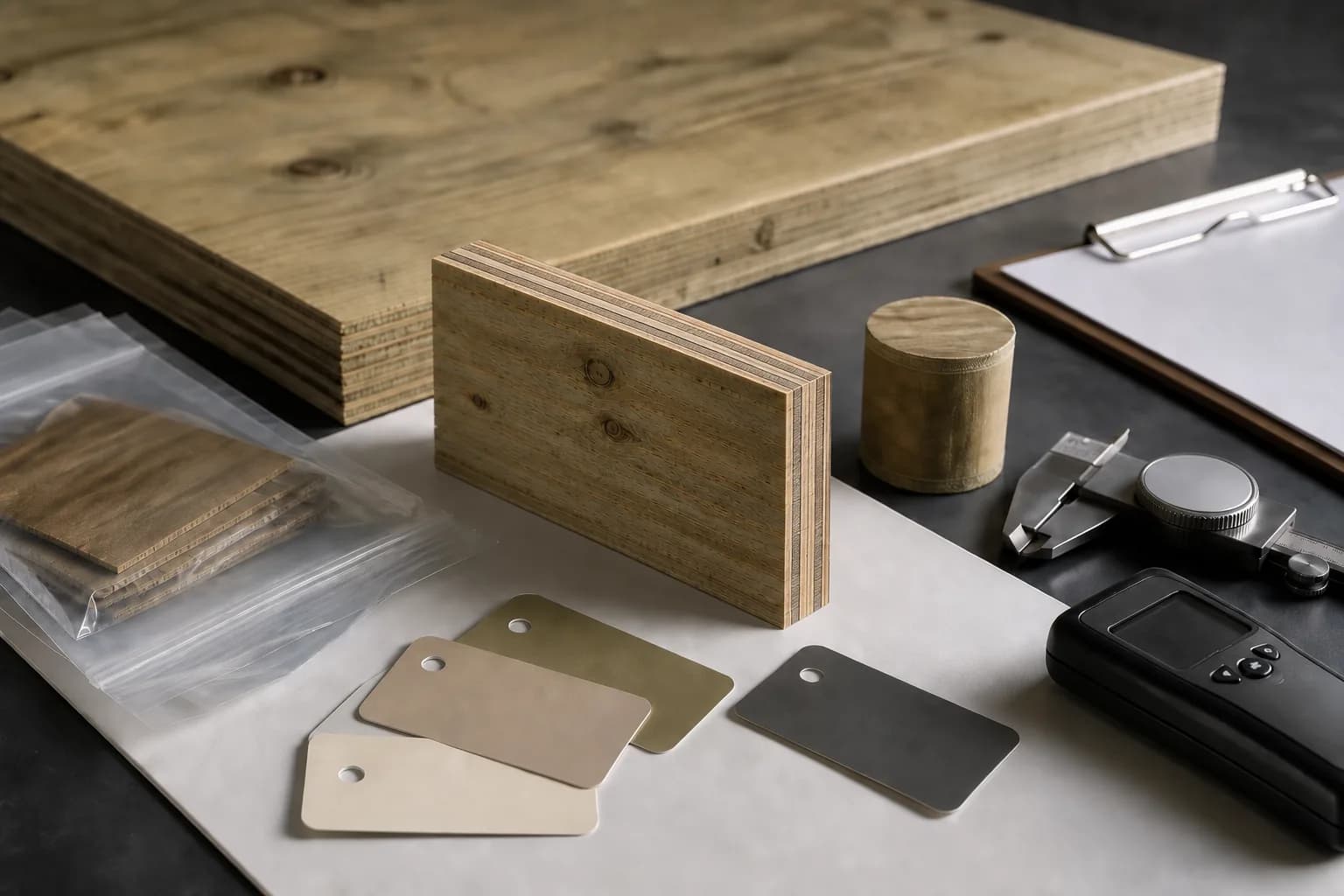
Pressure-treated plywood sample set with an upright coupon showing a physically consistent cross-laminated veneer lay-up across its top and narrow edge beside inspection tools
Panel construction and treatmentTreated and untreated samples show how visible colour is supplemented by the preservative identity, retention, penetration and use category stated in the order documents.
Start with
Exposure + organisms + destination
Confirm next
Panel + species + treatment system
Verify
Retention + penetration + condition at dispatch
Order as
One treatment specification and supporting document set
TREATMENT OPTIONS

Choose for the actual exposure and destination.

Protected interior

Protected Interior & Insect option

For insect or termite risk in protected, dry service. The order connects the destination-authorised interior preservative with the named organisms and finishing requirements.

Application
Protected interior joinery, packing or components requiring a documented insect-treatment programmes.
Panel sizes
1220×2440 mm standard; 1250×2500 mm standard
Documents
Use/exposure, authorised preservative and order documents available on request.
Reference price
USD 520–760/m³USD 27.86–40.72/sheet at 0.0535824 m³/sheet
Compare specifications
Above-ground exterior

Exterior Above-Ground option

For defined above-ground exterior exposure with wetting and drying. Treatment, drying, edges, coating, drainage and connector compatibility form one project requirements.

Application
Above-ground exterior components, service enclosures, agricultural or industrial shielding under an approved destination requirements.
Panel sizes
1220×2440 mm standard; 1250×2500 mm standard; 1525×3050 mm after confirmation
Documents
Project-specific treatment and destination documents; importer confirmation where required.
Reference price
USD 680–980/m³USD 36.44–52.51/sheet at 0.0535824 m³/sheet
Compare specifications
Severe exposure

Severe Exposure project requirements

For ground contact, freshwater or severe industrial exposure with the commodity, species, preservative, retention, penetration and permitted use confirmed together.

Application
Severe-exposure projects with a named commodity, treatment specification and inspection plan.
Panel sizes
1220×2440 mm standard; 1250×2500 mm standard; 1525×3050 mm after confirmation; 1220×3800 mm after confirmation; 2100×2800 mm after confirmation
Documents
Project-specific standard, label, assay and import documents.
Reference price
USD 880–1,350/m³USD 47.15–72.33/sheet at 0.0535824 m³/sheet
Compare specifications

Exposure / use

Protected interior, above-ground exterior, or named severe exposure

Destination permission

Authorised active substance, product label and import pathway

Treatment verification

Commodity-specific retention, penetration and test method

Released condition

Moisture, dimensions, flatness, edges, coating and packing

HOW THE SYSTEM WORKS

Combine biological durability with the required plywood construction.

Pressure-treated plywood starts with a suitable species, veneer lay-up, bond and face grade. The preservative treatments then follows exposure, destination rules and target organisms. Finished-panel pressure treatment, treated veneers, treatment of cuts and glue-line additives are distinct methods, so the order names the actual method and production stage.

The complete specification combines biological durability with the required structural grade, marine or exterior construction, bond, moisture, flatness, released dimensions, edge quality and coating readiness. Preservative identity, retention, penetration and use category are stated in the product documents alongside the visible material sample.

Expected service life develops from the preservative system, species treatability, penetration, retention, wetting, drainage, compatible fasteners, treated cuts, installation and maintenance. The order records each of these inputs for the intended duty.

USE / HAZARD / DESTINATION

Classify the real exposure inside the selected standards system.

Each use or hazard category follows its nominated standards system. The order records the selected EN use class, Australian/New Zealand hazard class or AWPA use category and its edition, then matches chemistry, commodity, retention, penetration and document requirements to that option.

Protected interior work uses a dry-service insect option. Exterior above-ground work adds wet/dry cycles, drainage, protected edges and compatible connectors. Ground contact, freshwater and severe industrial exposure use a project-specific commodity and treatment schedule. Marine construction, bond and structural performance can be added to the same order as coordinated product requirements.

PRESSURE TREATMENT LINE

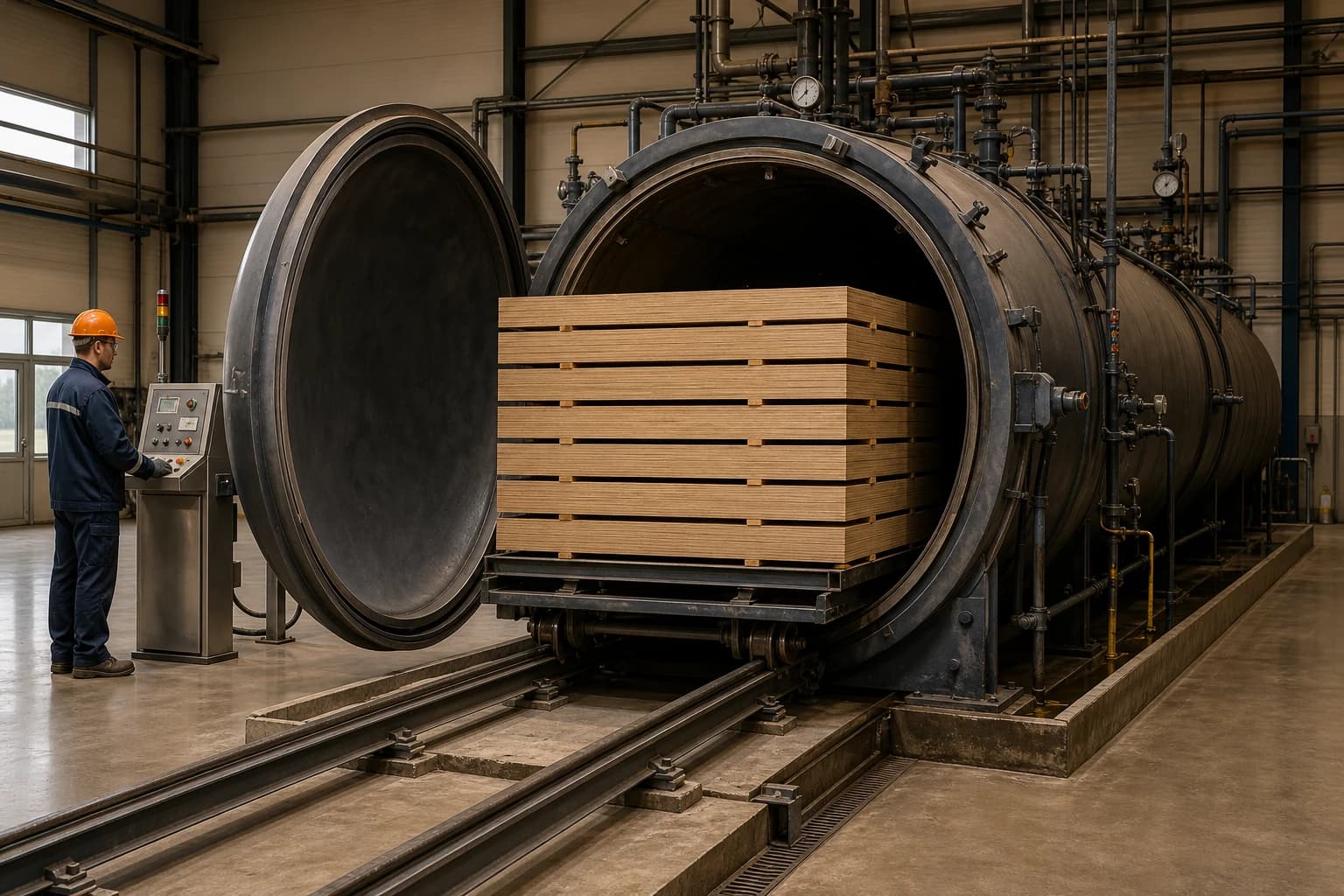
Panel support, spacing and vessel loading are process inputs.

Horizontal pressure treatment vessel with open sealed door and supported plywood stack on a rail trolley
Pressure treatmentA sealed horizontal treatment vessel and supported rail-trolley load keep panel spacing, loading and process-stage geometry visible.
FULL SPECIFICATION

Compare construction, treatment and finished-panel requirements.

Compare all 37 specification fieldsView the three treatment options side by side, including testing and documents.Show specificationsHide specifications
Specification fieldProtected Interior & Insect optionExterior Above-Ground optionSevere Exposure project requirements
Intended use / exposureProtected interior; kept dryExterior above ground; wet/dry cyclesNamed severe exposure; project approval
Destination marketConfirm before chemistryConfirm before chemistry and connectorsConfirm before severe-use review
Use or hazard categoryDestination protected classDestination above-ground classNamed category in the selected standards system
Target organismsNamed termites or insectsAuthorised fungi and insect scopeOrganisms named by project
Preservative systemAuthorised protected-interior-use optionsAuthorised copper-based, LOSP or equivalent optionAuthorised project system; CCA only where permitted
Active substance / formulationExact product and labelExact product and labelAuthorised product, label and restrictions
Treatment methodMatched vacuum-pressure or approved optionApproved exterior optionProject-approved process
Treatment stageFinished panel or specified veneer stageSpecified stage with machining planCommodity-defined stage
Carrier systemAuthorised interior carrierSelected water-borne or solvent optionCarrier, drying and use confirmed
Wood species and treatabilitySpecies response confirmedTreatable species and veneers requiredTreatability and refractory zones reviewed
Panel constructionUse-matched constructionExterior construction coordinated with treatmentConstruction confirmed before qualification
Face and back gradeFabrication and finish gradeWeathering/coating gradeProject surface grade
Core and lay-upCross-laminated; gaps/repairs agreedExterior-use lay-up agreedLay-up matched to the tested construction
Bond / adhesive optionProtected-service bondExterior bond specified separatelySevere-exposure bond test records
Structural declaration optionSeparate order if requiredSeparate structural optionProject engineering if triggered
Standard panel sizes1220×2440; 1250×2500 mm1220×2440; 1250×2500 mm1220×2440; 1250×2500 mm
Oversize feasibilityStandard formats preferred1525×3050 mm after confirmation1525×3050; 1220×3800; 2100×2800 mm after confirmation
Thickness options6; 9; 12; 12.7; 15; 15.875; 18; 19.05; 21; 25 mm6; 9; 12; 12.7; 15; 15.875; 18; 19.05; 21; 25 mmConfirm thickness with treatment feasibility
Post-treatment dimensionsMeasure after conditioningMeasure after drying/conditioningMeasure at project release state
Thickness toleranceOrder-specificPost-treatment toleranceProject tolerance and condition
Squareness and flatnessAgreed inspectionPost-drying inspectionProject acceptance and support
Target retentionSystem/species/use-specificdestination requirements targetCommodity/species/use target
Penetration zone / patternoption- and species-definedoption- and species-definedProject zone and sampling plan
Assay or test methodNamed method on requestNamed method and lot sampleProject method and acceptance
Pre-treatment moisture8–14% target or treatment-process requirement8–18% target or treatment-process requirementCommodity and treatment-process requirement
Post-treatment moisture8–12% target for dry interior fabrication12–18% target or coating/fabrication requirementProject acceptance range stated in the order
Fixation / conditioning / dryingFollow chemistry and labelPlan for coating and handlingProject hold and release plan
Machining before treatmentDefine preferred cuts/holesDefine machining scheduleComplete practicable machining
Cut and hole field treatmentConfirm required methodApproved treatment and resealingProject method and supporting documentation
Fastener / connector compatibilitySelect after chemistryConfirm corrosion/moisture compatibilityEngineer confirms metals and isolation
Coating / painting compatibilityDrying and trial if requiredConfirm carrier, moisture and primerTreated-substrate coating trial
Marking and label scopeTreatment identity after reviewDestination traceability markingControlled project references
Documents / certificate packProduct, order and inspection recordsTreatment, assay, condition and destination packageStandard, assay, process and import package
PackingDry, flat, supported, wrappedDry, edge-protected, supportedProject barrier and handling plan
MOQConfirm after optionConfirm after loading/document and test requirementsProject qualification quantity
Lead timeAfter chemistry and conditioning reviewTreatment, drying and verificationQualification through supporting documentation release
Quote basisUSD/m³ reference price for the confirmed orderUSD/m³ reference price for the confirmed orderUSD/m³ project price for the confirmed specification
SIZES & THICKNESS

Measure again after treatment and conditioning.

Planning formats are 1220 × 2440 mm and 1250 × 2500 mm. Common thickness planning points are 6, 9, 12, 12.7, 15, 15.875, 18, 19.05, 21 and 25 mm. Exact 4 ft × 8 ft is 1219.2 × 2438.4 mm, so it is not automatically interchangeable with 1220 × 2440 mm. Likewise, 1/2 in is approximately 12.7 mm, 5/8 in approximately 15.875 mm and 3/4 in approximately 19.05 mm. A 1/4 or 3/8 request also needs its actual millimetre thickness and tolerance written into the order.

Treatment, fixation, conditioning and drying can affect dimensions and flatness. The contract therefore identifies the measurement condition and post-treatment acceptance state. Oversize 1525 × 3050, 1220 × 3800 and 2100 × 2800 mm formats remain project-specific. Vessel capacity, trolley support, sticker pattern, treatability, drainage, drying, flatness, handling and transport must be validated before those formats are offered.

Standard planning sizes

1220 × 2440 mm

1250 × 2500 mm

Project-specific sizes

1525 × 3050 mm

1220 × 3800 mm

2100 × 2800 mm

TREATMENT SYSTEMS

Match chemistry, species, exposure and destination requirements.

SystemExposureConfirmService conditionsDocuments
Borate / protected interiorProtected from rain and persistent moistureDestination authorisation, target insects, species, leaching conditions and finishingProtected dry interior serviceProduct identity, process record and order-specific inspection
ACQ / copper azole / copper-based exteriorDestination-defined above-ground or other named optionCommodity, species, label use, retention/penetration, fasteners and coatingMarket-authorised commodity and service requirementsLabel/scope, process, assay/penetration and condition records
LOSP / organic-solventSelected exterior options where authorisedSpecies, solvent process, fixation, drying, coating and handlingAuthorised LOSP commodity and coating optionTreatment identity, process and post-treatment condition
CCADestination- and use-authorised industrial/project requirementsCurrent restriction, registration label, commodity and permitted usePermitted industrial or project applicationsAuthorisation, label, order, assay and traceability
Buyer / project specifiedNamed project exposureFull specification, chemistry, species, process, tests and destinationTechnical and regulatory confirmation before productionAgreed project inspection and document plan
TREATMENT CHECKS

Retention, penetration, moisture and dimensions require distinct observations.

Pressure-treated plywood sample set with an upright coupon showing a physically consistent cross-laminated veneer lay-up across its top and narrow edge beside inspection tools
Sampling and inspectionSampling and inspection tools support separate retention, penetration, moisture and dimensional observations in the order documentation.
ORDER-TO-DELIVERY PROCESS

Carry one treatment specification from exposure selection to packing.

  1. Define exposure, intended use and target organisms
  2. Select a destination-authorised treatment system
  3. Confirm plywood construction, species and treatability
  4. Complete required machining before treatment
  5. Condition and load panels with correct spacing and support
  6. Run vacuum-pressure or the approved treatment programmes
  7. Drain, fix, condition and dry as required
  8. Verify retention, penetration, moisture and dimensions
  9. Mark, document, protect and pack the order
APPLICATIONS

Match each use with its preservative system and service conditions.

UseProduct selectionService conditions
Protected interior insect optionProtected-interior construction and chemistry targeting the named organismsProtected from rain and persistent dampness
Exterior above groundAbove-ground exterior construction with drainage, ventilation, edge protection, coating and compatible connectorsAbove-ground wet/dry service under the named destination requirements
Planter or garden structure componentProject selection includes soil contact, liner, drainage, retention, edges and destination requirementsUse conditions and contact restrictions stated in the preservative label
Agricultural or industrial shieldingSelected according to destination, contact conditions and preservative labelAnimal, food and human-contact conditions confirmed in the order
Ground contact / freshwaterSevere-exposure construction with named commodity, treatment and verification optionProject-specific exposure and destination authorisation
STANDARDS & DOCUMENTS

Select the classification, treatment and import requirements for the destination.

Project-specific

Europe / EN

EN 335 exposure framework; EN 599-1 preservative efficacy; BPR PT8 and Article 58; current REACH restrictions. EN 636, EN 314, EN 315 and EN 13986 are triggered separately by panel use; the current construction-products option follows Regulation (EU) 2024/3110 and its transition from Regulation (EU) No 305/2011. EN 351-1:2023 is a solid-wood reference, not plywood conformity.

Importer confirmation required

Australia / New Zealand

AS/NZS 1604.1:2021 product/treatment requirements, Part 2 verification and Part 3 test methods. Structural use separately triggers AS/NZS 2269. Import and biosecurity conditions require importer/BICON confirmation.

Available on request

AWPA / United States

AWPA U1-25 use category and commodity option, with relevant treatment requirements; EPA registration labels govern allowed preservative uses and CCA restrictions.

Project-specific

Other markets

Buyer-named EN, AS/NZS, AWPA or national option, with the selected classification stated directly in the order.

REFERENCE PRICES

Compare complete treatment specifications on the same panel basis.

Reference volume
1220 × 2440 × 18 mm reference panel = 0.0535824 m³/sheet
Reference date
2026-08-18
Commercial terms
Final port, Incoterm, freight, availability and quotation validity are confirmed for the order.

Protected Interior & Insect option

USD 520–760/m³

USD 27.86–40.72/sheet

Protected-interior construction with the selected insect-treatment programmes.

Exterior Above-Ground option

USD 680–980/m³

USD 36.44–52.51/sheet

Exterior above-ground construction with drying, edge and connector requirements.

Severe Exposure project requirements

USD 880–1,350/m³

USD 47.15–72.33/sheet

Severe-exposure project construction with named assay and destination requirements.

The three reference ranges compare the complete panel, preservative, treatment, released-condition and document requirements. Final pricing reflects chemistry, retention and penetration requirements, post-treatment drying, dimensions, quantity, packing, Incoterm and destination.

Sheet equivalents are calculated from the stated USD/m³ reference ranges using the 0.0535824 m³ panel volume.

ABOVE-GROUND USE

Drainage, sealed cuts and compatible connectors remain part of the installed system.

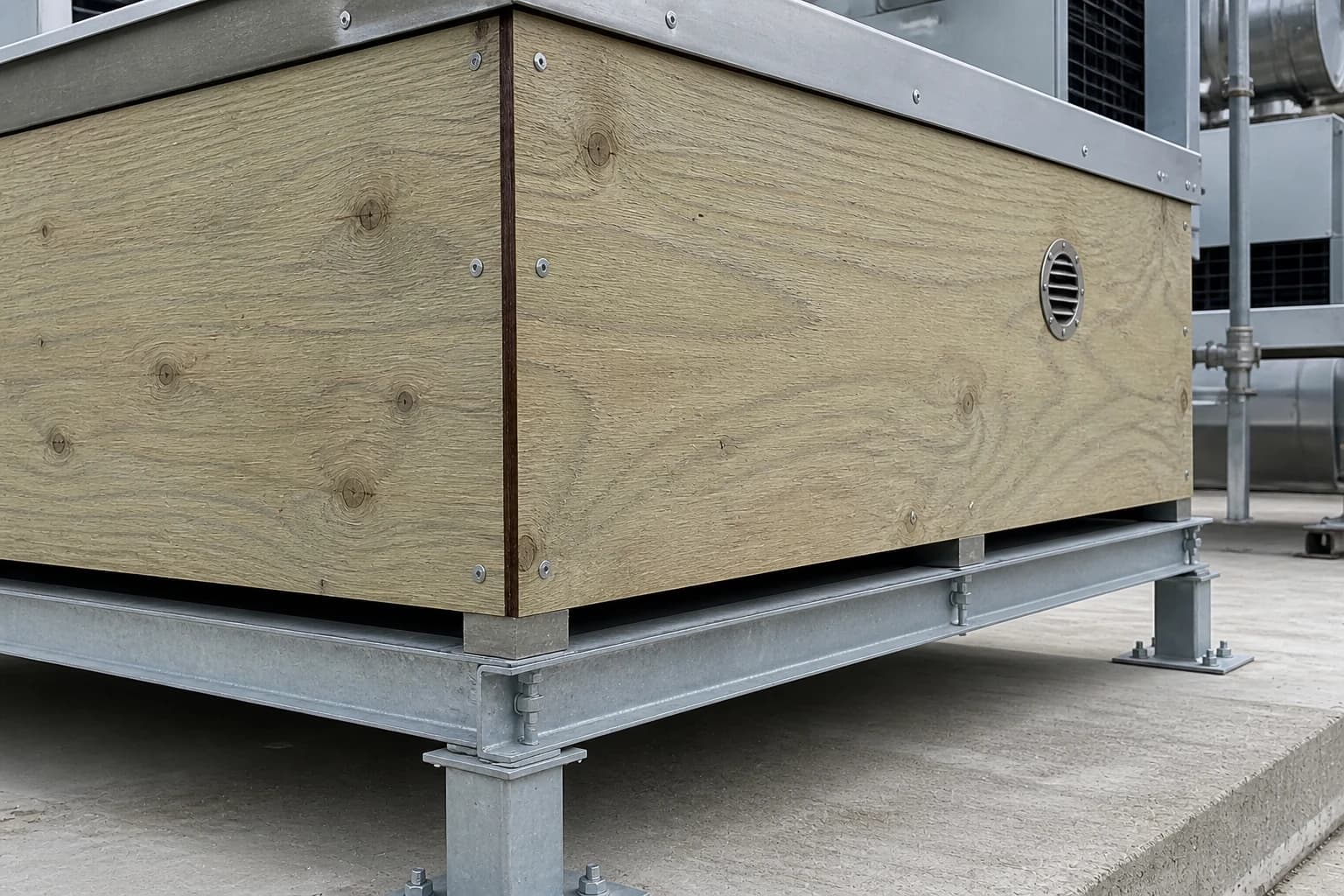
Above-ground plywood service enclosure with thin sealed cut edges drainage gap washers and complete galvanized support
Exterior installationThe above-ground detail combines full support, drainage, sealed cuts and compatible connectors for the stated service conditions.
PRODUCT DOCUMENT PACKAGE

Connect inspection and approval records to the ordered product, process, lot and destination.

The applicable commodity specification, species group, preservative, use category and sample method define the retention and penetration checks. Cross-section sampling, chemical assay, moisture and dimensional inspection are recorded as distinct observations for the production lot.

The document package can include the treatment identity, process record, assay or penetration result, moisture and released-dimension inspection, marking record and destination documents specified in the quotation. Project-specific and importer-confirmed options are finalised after the buyer confirms the destination, construction and import pathway.

DECISION QUESTIONS

Before the purchase order

Choose the right specification.

What is pressure-treated plywood?

Pressure-treated plywood combines a defined plywood construction with a preservative treatments selected for exposure, target organisms and destination. A complete order identifies species treatability, active substance or formulation, treatment method and stage, retention and penetration method, conditioning, released moisture and dimensions, marking and packing.

How is it different from exterior or marine plywood?

Exterior and marine descriptions define panel construction, veneer quality and bond specifications; preservative treatment adds biological durability for an authorised use. Projects can combine an exterior or marine construction with a compatible preservative treatments and coordinated product documents.

How does pressure-treated plywood differ from fire-retardant plywood?

Preservative treatment targets organisms such as decay fungi or insects. Fire-retardant treatment follows a defined fire-performance requirements with its own chemistry, processing, tests and declarations. When both functions are required, CUZI PLY confirms treatment compatibility and prepares a combined project specification.

How is termite-resistant plywood specified?

Termite-resistant or anti-termite plywood is specified by the authorised preservative system, named target species, retention and penetration option, exposure, treatment of cuts, installation and maintenance. The order records the target organism and verification method for the selected market.

What sizes and thicknesses are available, including 1/2, 3/4 and 4×8?

Planning formats include 1220 × 2440 and 1250 × 2500 mm. Exact 4×8 ft is 1219.2 × 2438.4 mm and is not automatically the same as 1220 × 2440. Approximate imperial thicknesses include 1/2 in at 12.7 mm, 5/8 in at 15.875 mm and 3/4 in at 19.05 mm. Every substitution, tolerance and post-treatment dimension is confirmed in the order.

How is the preservative system selected?

Selection starts with intended use, wetting, target organisms, destination law and the chosen standard system. Species treatability, panel construction, machining stage, carrier, coating, connector and drying needs then narrow the options. Borates, copper-based systems, LOSP and CCA are not interchangeable; CCA is discussed only for an allowed destination, commodity, label and use.

How are retention and penetration verified?

The applicable standard or commodity specification defines the target, sampling and test method for the selected species and preservative. Retention can be verified through process records or chemical assay, while penetration is assessed on defined sample zones or patterns. The document package identifies the production lot, method and result.

What happens after cutting or drilling treated plywood?

Cuts and holes can expose material outside the verified penetration zone. Complete practicable machining before treatment where the option calls for it. For field work, use only the remedial treatment, resealing and safety method required by the applicable standard, registered label, preservative supplier and project specification. Record critical cuts and inspection in the fabrication plan.

Which fasteners and coatings should be used?

Fasteners are selected for the preservative chemistry, exposure and moisture condition, with corrosion resistance and isolation specified for copper-based systems where required. Coating selection follows the carrier, fixation, released moisture and surface preparation, then uses a compatible primer and finish from the destination specification or coating supplier.

How should service life, handling and disposal be assessed?

Service-life planning combines the treatment system, retention, penetration, exposure, drainage, detailing, workmanship, inspection and maintenance. Packs remain dry, flat and supported, while machining follows the chemical and site safety information. Reuse and disposal follow the preservative label, local waste rules and project requirements.

YOUR TREATMENT ENQUIRY

Tell us the intended use and treatment requirements.

Use & destination

End use, destination, exposure/use category and target organisms.

Panel & treatment

Preservative/active substance, treatment method/stage, retention/penetration, species/treatability and core/lay-up/bond.

Finished condition

Size/thickness/tolerance, post-treatment moisture/drying, machining/cuts/holes, fastener and coating.

Order & delivery

Quantity, documents, packing and target date.

Plywood enquiry

Tell us what you need.

State end use, destination, exposure/use category, target organisms, preservative treatments, retention/penetration verification, species, panel construction, size, post-treatment condition, machining, connectors, coating, quantity, documents, packing and target date. Our team can recommend the suitable Incoterm for the destination and order volume.

CHAT WITH CUZI PLY

By sending this request, you allow CUZI PLY to use the submitted details to respond. Read the Privacy Policy.