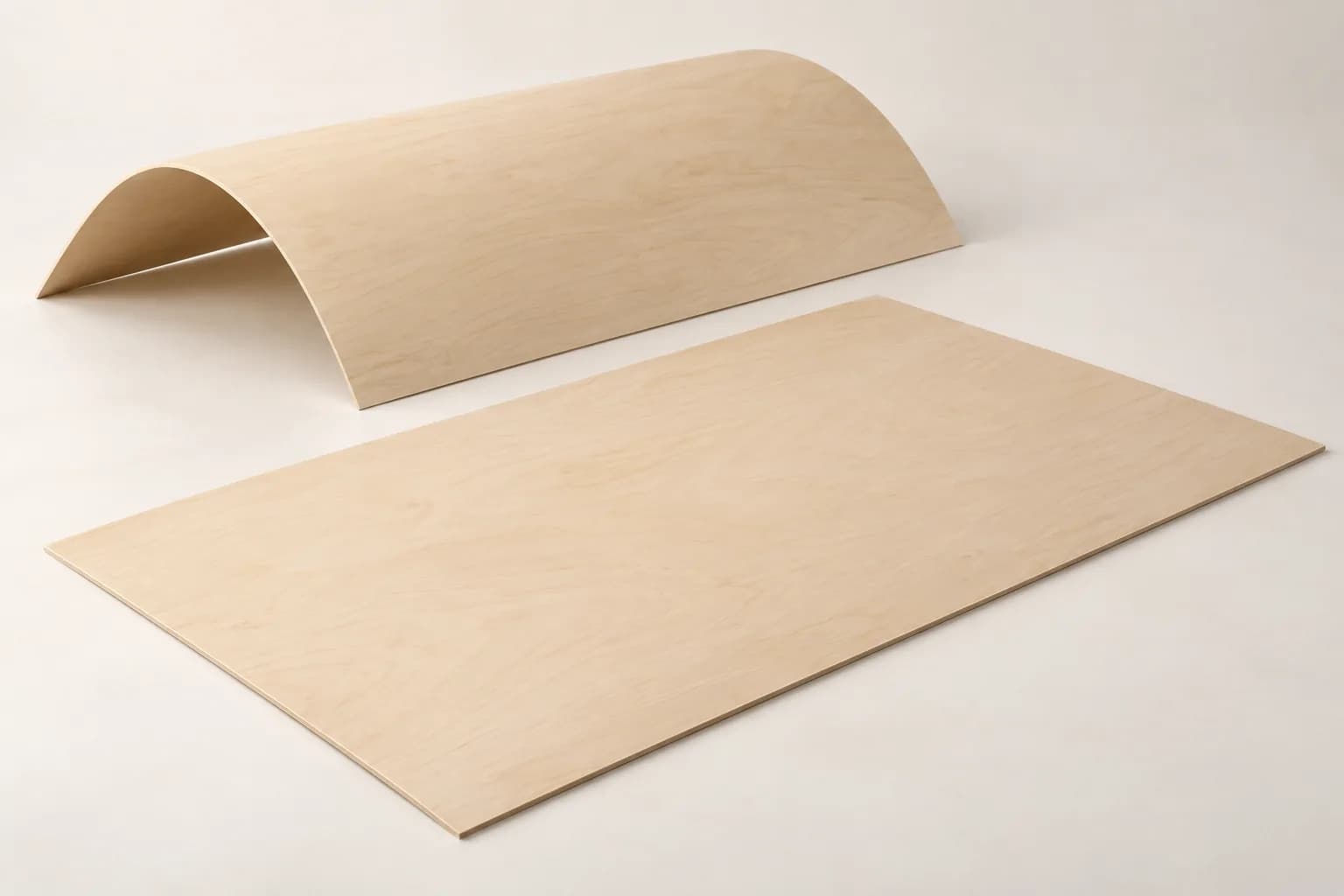
What is aircraft plywood?+
Aircraft plywood is supplied to a material specification for a defined aircraft component, including wood species, veneer quality, layer construction, grain directions and bond requirements. The same name is also used in the model and thin-panel trade. Identify the intended use and required specification so the material and documents match the part you are buying.
Does CUZI PLY manufacture aircraft and ultra-thin plywood?+
Yes. CUZI PLY is the factory and direct supplier in Linyi, Shandong, China, with 10 production lines across our plywood range. We manufacture the selected veneer construction and dimensions for your order, with sheets or cut-to-size blanks, processing and the agreed product documents.
How do I order plywood for an aircraft component?+
Provide the component drawing, material standard and edition, grade, species, veneer arrangement, grain directions, bond, dimensions and required qualification documents. For aircraft manufacture or repair, follow the aircraft designer’s or manufacturer’s requirements. The responsible engineering or maintenance organisation determines suitability, installation and any material substitution.
Is modelling plywood interchangeable with aircraft material?+
Not automatically. Model making can use a thin panel chosen around its own drawing, joints and finish. An aircraft component must use the specified material and required documents for that aircraft and part. Keep modelling, general design and aircraft requirements separate when you request a quotation.
Should I choose all-birch or a mixed-species lay-up?+
Use the component’s material specification, required mass, grain, bond and machining needs. All-birch identifies birch veneers throughout; a mixed construction names each face and inner material separately. Keep individual layer thicknesses and directions in the order rather than choosing by the face appearance alone.
How thin can I specify the plywood?+
Send the exact finished thickness, individual veneer requirements, layer count and tolerance your part needs. We identify the offered construction in the quotation. The selected lay-up, face quality, bond, size and intended use belong in the same specification; a nominal ultra-thin label does not define those details.
Why does grain direction matter when cutting thin parts?+
The drawing can fix the face grain relative to the component and define orientations through the panel. Mark grain arrows, the reference face and datum corner on the cut list. Rotating parts when nesting can change the specified orientation even if it improves sheet yield.
Can I order sheets and cut-to-size blanks?+
Yes. Send the required sheet or blank dimensions, quantities, grain directions, presentation face, trim allowance and tolerances. Include part identification and flat packing support. Use the factory formats in Sheet sizes or provide your part schedule; we confirm the offered construction and cutting scope in the quotation.
Can the plywood be prepared for laser cutting or CNC work?+
Yes. Identify the machining process, profile, slot fit, feature positions and finished tolerances. For laser cutting, use a construction compatible with your equipment and its ventilation and material-safety requirements. Evaluate the glue line, edge condition and fit with your process before repeating the cut.
Can I use ultra-thin plywood for a curved part?+
Choose the lay-up and thickness for the forming direction, radius, support and bonding method. Evaluate forming with the actual construction and finish. Keep that specification with the repeat order rather than assuming all thin sheets have the same bending behaviour.
Which product documents should I request?+
Name the material specification, product identification and the veneer, bond, dimension or mechanical information required for the component. Include destination emission, fire or sourcing documents where relevant. Aircraft project requirements remain with the material and part; custom length and width do not require a new certificate for every millimetre.
What should I keep with a repeat thin-panel order?+
Keep the material specification and drawing revision with the face and inner species, veneer thicknesses, layer sequence, grain directions, bond and finished dimensions. Retain the same part codes, datum edges, slot clearances and forming or finish requirements. State the product identification and inspection documents needed with each delivery, and keep those records with the pack labels. For an aircraft component, continue to use the material requirements in its build or maintenance instructions; a similar face or thickness is not a material substitution.
How do I compare sheet prices with cut-to-size blank prices?+
Compare the same material specification, finished thickness, tolerances, grain orientation and quantity of usable blanks. A lower sheet price can leave more trimming, cutting and sorting in your workshop. Ask whether the quote includes profiles, slots, feature checks, requested product documents, labels and flat protective packing. Include delivery and the work still completed by your team, with the price unit and supplied part quantities stated.
How do I get a quotation or request a sample?+
Tell us the intended component, standard where required, species and lay-up, thickness, dimensions, quantity and destination. Add grain arrows, cutting, finish, documents and packing requirements. For a sample, name the thickness, face or cut edge you want to evaluate; we confirm availability, any sample and courier costs and dispatch arrangements with you.