CUZIPLYFactory-direct plywood
Get a quote
PRODUCT GUIDEMarine plywood / veneer, core & bond

Marine Plywood for Defined Wet-Service Construction

CUZI PLY marine plywood is configured for boat interiors, marine joinery and defined wet-service fabrication through selected face and back veneers, a balanced void-controlled core, durable bond, controlled moisture and protected edges. Water resistance is verified through the nominated construction and bond-conditioning option rather than an unsupported number of immersion hours. The finished project still requires compatible coating, resealed cuts and holes, protected joints, drainage, ventilation and maintenance.

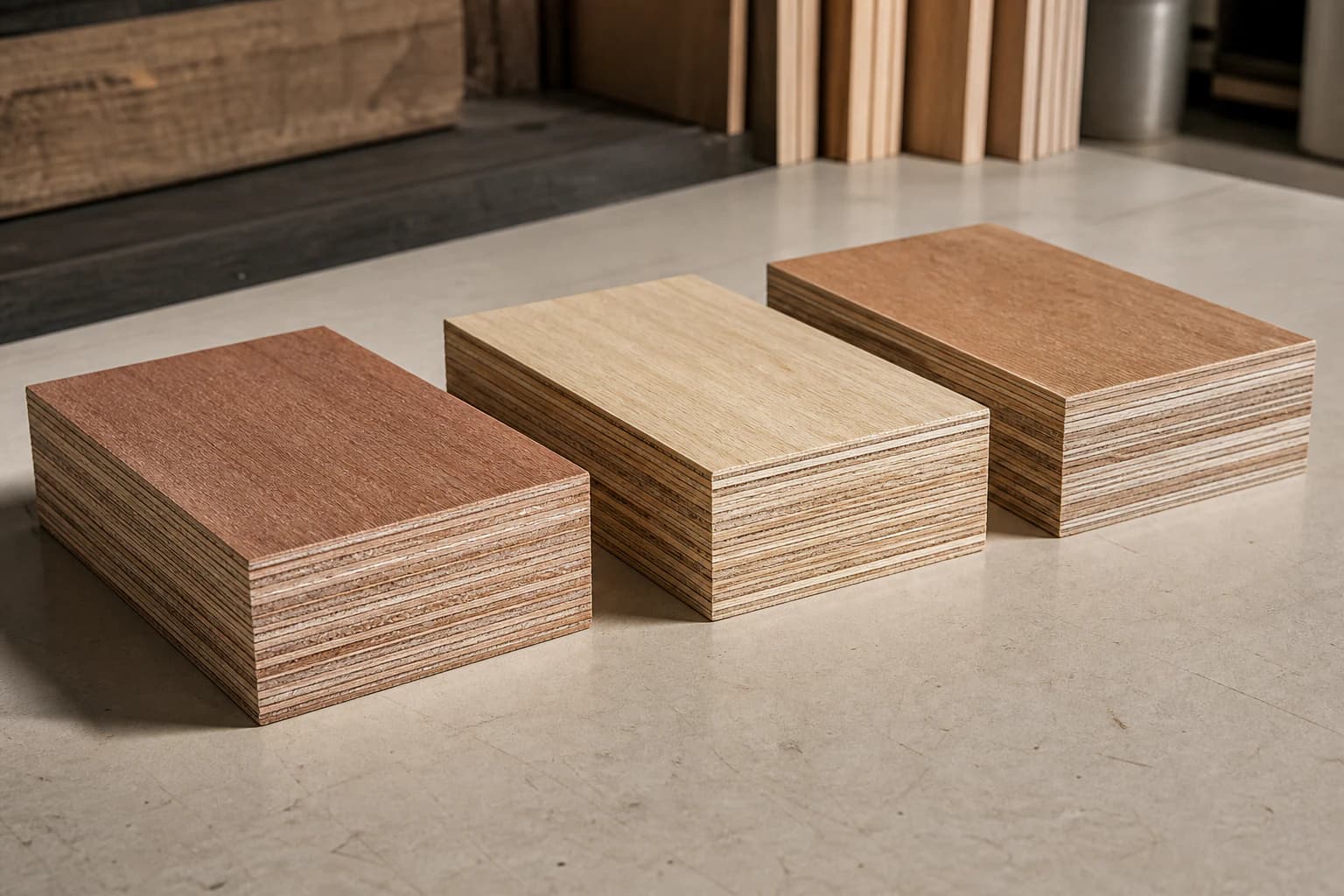
Marine plywood edge specimens showing selected face veneers, alternating core layers and void-control construction options
Veneer & core constructionSelected faces, cross-laminated cores and controlled edge specimens shown as separate construction references.

Read species, ply sequence and discontinuity control at the same edge.

Face, back, ply sequence and the exposed edge keep the construction decision on one comparison plane.

Primary decision
Species + veneer limits + core void control
Product option
Exterior-service / Controlled marine / Qualified standard
Reference format
1220×2440×18 mm
Moisture control
8–12% planning / 6–12% controlled by construction
Planning range
USD 420–1,050/m³
Standard requirements
BS 1088 / AS/NZS 2272 / buyer-nominated
CHOOSE YOUR CONSTRUCTION

Choose a construction option for the intended service.

Match the veneer and core controls, bond, dimensions and documents required for the order.

Exterior service

Exterior-Service Project Panel

Use a written exterior-service construction where the project does not nominate a marine product standard.

Use
Wet-area furniture, coated external components and specification-led project work.
Market
Middle East, Central Asia, Latin America and buyer-defined destinations.
Documents
Order supporting documentation aligned to the selected exterior bond and construction.
Controlled marine

Controlled Marine Construction

Tighten veneer, core and bond controls for repeat marine joinery and distribution orders.

Use
Boat interiors, marine cabinetry and controlled wet-service fabrication.
Market
Marine distributors and fabricators across primary and secondary markets.
Documents
BS 1088 or buyer-nominated testing available for the exact approved build.
Qualified standard

Qualified Marine standard requirements

Build species, joints, core, bond, dimensions and marking around the nominated marine standard.

Use
Projects that explicitly specify BS 1088, AS/NZS 2272 or another accepted programme.
Market
Australia, New Zealand and standard-led international projects.
Documents
Project-specific qualification with document and test packages configured to order scope.
Compare veneer, core, bond and dimensions
YOUR ENQUIRY

Define the use and construction before comparing prices.

CONSTRUCTION DEFINITION

Specify the panel behind the word marine.

Specify marine plywood by its face and back veneers, core construction, bond, dimensions and required supporting documents.

Face and back species, veneer quality, joint limits, balanced lay-up, core discontinuities, adhesive, moisture, dimensions and destination supporting documentation form one marine plywood order. Exterior phenolic bond is one input; it does not by itself establish the complete marine construction.

Waterproof plywood is a broad commercial term. In a purchase file, wet-service performance also depends on edges, coating, fabrication, drainage, maintenance and the exact exposure. WBP remains a commercial bond description habit: write the actual adhesive, bonding-quality method and use condition instead of relying on those three letters.

PRODUCTION CHECKS

Make veneer, core, bond, edge and lot controls inspectable.

Define each control before production and verify it during inspection.

Veneer selection

Record species, grade, thickness, joint, patch and fibre direction for face, back and inner plies.

Core continuity

Approve measurable gap, overlap, repair and void-control rules against a full edge reference.

Bond release

Connect adhesive batch, press file, conditioning and the selected bonding-quality specimens.

Edge next steps

Identify factory-original edges, optional sealing, machining and fabricator re-sealing responsibility.

Lot identity

Carry construction revision, production lot, inspection results and pack references into delivery documents.

LAY-UP + BOND CONTROL

Marine plywood quality begins with veneer selection and alignment.

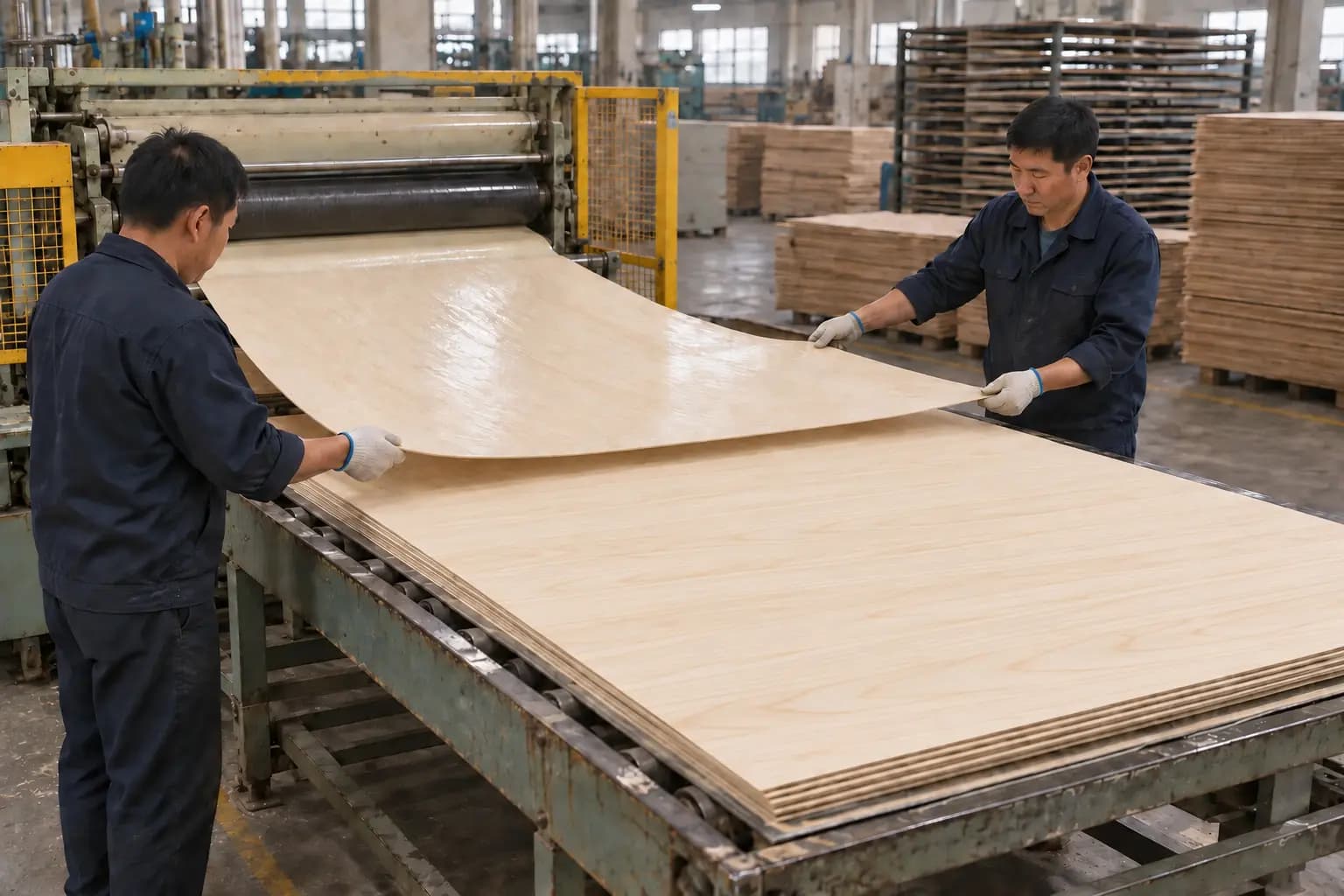
Full-size veneers are aligned across the grain after adhesive application to form a balanced cross-laminated panel.

Two operators supporting a full-size glue-coated pale birch veneer from a guarded spreader and aligning it across the horizontal grain of the preceding ply
Veneer lay-up & bondingA pale birch veneer leaves the guarded spreader while two operators support the full sheet and align it across the grain of the preceding ply.
BOND REQUIREMENTS

Specify the adhesive, test method and service conditions.

Adhesive construction

Name adhesive family, veneer moisture, spread, assembly time, press cycle and production-lot control.

Test method

Pair the selected bonding-quality method with its requirements, conditioning, specimen and acceptance record.

Water-exposure supporting documents

Specify the nominated pre-treatment or immersion/boil conditioning, bond-test method, specimen scope and pass criteria for the exact construction.

Service conditions

Bond durability supports the panel; project coating, sealed cuts, joints, drainage and maintenance complete wet-service use.

FULL SPECIFICATIONS

Compare the complete construction before sample approval.

Compare veneer, core, bond, dimensions, inspection, packing and supporting documents across the three marine plywood constructions.

Compare all 23 specificationsFace and core species, void control, bonding, sizes, inspection and packing

Read across each field to compare the three constructions. On a phone, each field lists the options vertically.

SpecificationExterior serviceControlled marineQualified standard
Intended product optionsExterior-service project panelControlled marine constructionQualified marine-standard construction
Face species / gradeSelected hardwood, eucalyptus or specified face; agreed repair limitOkoume/Gaboon, selected tropical hardwood or eucalyptus; tighter visual and joint referenceSpecies and face quality matched to the nominated standard and supporting documentation scope
Back species / gradeCompatible selected back veneer with written defects scopeBalanced selected back from the approved species familyBack veneer identity and grade frozen in the qualification file
Core speciesSelected poplar, combi or hardwood optionAll-okoume, all-hardwood, all-eucalyptus or approved controlled constructionSpecies combination permitted by the nominated standard and accepted documentation plans
Veneer construction / ply principleBalanced lay-up with declared veneer sequenceControlled ply sequence and veneer thickness planExact ply schedule, veneer thickness and balance retained as qualified
Face, core joint and repair limitsBuyer-approved joint and patch rulesNarrower joint, repair and face-splice acceptance fileLimits taken from the selected marine standard and signed reference panel
Core gap / overlap / void controlMeasured allowance written into the orderNear-void-free target with lot sampling and defined repair optionCore discontinuity limits controlled by standard scope and qualification supporting documentation
Adhesive / bond specificationsExterior phenolic or buyer-specified bond testPhenolic / A-bond specifications with EN 314 or buyer method when selectedBond system and testing tied to BS 1088, AS/NZS 2272 or nominated programme
emission requirements where orderedMethod and threshold added when destination requires itExact glue/panel construction submitted for the requested emission requirementsemission documents and test results scoped separately from the marine product claim
Standard sizes1220×2440 and 1250×2500 mm1220×2440 and 1250×2500 mmDimensions inside the qualified product and marking scope
Project size scope1525×3050 mm after press and handling review; longer formats project-only1525×3050, 1220×3800 or 1250×3800 mm after construction, press, core-continuity, flatness, full-length support, packing and loading validation1525×3050, 1220×3800, 1250×3800 or 2100×2800 mm only after standard-scope, construction, press, void-control, flatness, support, packing, container and loading validation
Thickness range4–30 mm subject to construction4–30 mm with agreed ply scheduleThicknesses inside qualification scope; project additions require review
Tolerance / measurement methodOrder tolerance measured at agreed panel pointsTighter calibrated thickness and geometry samplingStandard method, sample plan and limits recorded in the supporting documentation technical documents
Moisture target8–12% planning window at dispatch6–12% target by species and finishing optionCondition and limit retained with the accepted standard file
Density / panel-weight optionCalculated from species, construction, moisture and actual sizeRecorded lot density window and sheet-weight planningDeclared/measured option attached to exact qualified panel build
Sanding / surfaceSanded face ready for buyer finish preparationFine calibrated sanding and protected visible facesSurface condition and allowable repairs match nominated standard/project supporting documentation
Machining / cut-to-sizeCut-to-size and drilling from approved drawingCNC or precision cutting after edge and coating next steps is definedMachining held inside supporting documentation scope or requalified where it changes the product
Factory edge optionOptional compatible factory edge coat stated on orderFactory sealing system, colour, coverage and cure recordedEdge treatment included only where accepted by the nominated option
Site cut / coating responsibilityBuyer assigns re-sealing and coating steps for exposed cutsCompatible coating and cut-edge repair plan transferred to fabricatorInstalled protection remains a project responsibility outside product qualification unless included
Inspection planFace, core edge, dimensions, moisture and bond-lot checksApproved sample plus joint, void-control and batch verificationQualification specimens, production control and release supporting documentation indexed together
PackingFlat dry pallet, face sheet, aligned bearers and wrapped sidesMoisture barrier, full support and protected faces/edgesPacking geometry and lot identity preserved for supporting documentation-led delivery
supporting documentation / marking optionControlled order specification and inspection recordTest reports and lot file selected for the approved constructionMarking, reports and declarations limited to exact certified or accepted scope
Lead-time variablesSpecies availability, construction, thickness mix and packingSelected veneer supply, testing and sample approvalQualification, witness/testing schedule, marking and destination documentation
WET-SERVICE USE

Separate the released factory panel from the installed project.

Wet-service performance depends on the supplied panel, fabrication, installation and ongoing maintenance.

Factory condition

Factory control covers the specified panel at dispatch: construction, moisture, original edges, sample, test and pack. Fabricators own site cuts, holes, compatible coating and protected storage. Project design owns supports, joints, drainage, ventilation, fasteners and maintenance.

Site coating

Confirm compatible primer or coating, surface preparation, coverage, cure and inspection.

Site cuts

Clean, dry and re-seal every cut, hole and damaged corner with the approved system.

Storage

Keep sheets flat, off the floor and continuously supported beneath a ventilated weather cover.

STANDARDS + SUPPORTING DOCUMENTS

Match the selected marine standard to the exact panel build.

Confirm the required standard and supporting documents for the exact panel construction before ordering.

BS 1088:2018

available on request for the exact construction

Species, veneer, joints, core, bond, manufacture and dimensions are coordinated with the selected BS 1088 option.

AS/NZS 2272:2006

Available on request

Australian/New Zealand marine construction and supporting documentation are planned independently from BS 1088.

EN 314-1 / EN 314-2

document and test packages aligned to the order

Test method and bonding requirements are paired with the intended end use.

EN 636 exterior option

Project-specific qualification

Exterior-use class can support a defined plywood file but does not rename it marine.

EN 13986 construction use

Buyer / importer confirmation required

Applied only when the panel enters an applicable construction-product options.

Buyer-nominated destination

Available on request

The exact standard, inspection, report and marking list is agreed before sample release.

PRICE PLANNING

Compare construction-led ranges against one reference format.

1220×2440×18 mm marine construction, USD/m³ planning basis

USD 420–550/m³

Species mix, exterior bond, face selection and project inspection define this planning band.

USD 550–750/m³

Selected veneers, tighter core and machining tolerances, and required testing affect the final price.

USD 750–1,050/m³

Qualified species, standard scope, test plan, marking and destination documents lead this range.

Indicative planning ranges, not a fixed quotation. Confirm the selected construction, quantity, destination and delivery terms with CUZI PLY. Currency, tax, local delivery and merchant services can change the comparison basis.

Quotation variables: Face/back species and grade, core species, ply schedule, void-control limit, adhesive, bond test records, standard requirements, dimension, thickness mix, machining, inspection, packing, quantity and destination documents.

FABRICATION DETAIL

The marine panel hands off to coating, joints and fasteners.

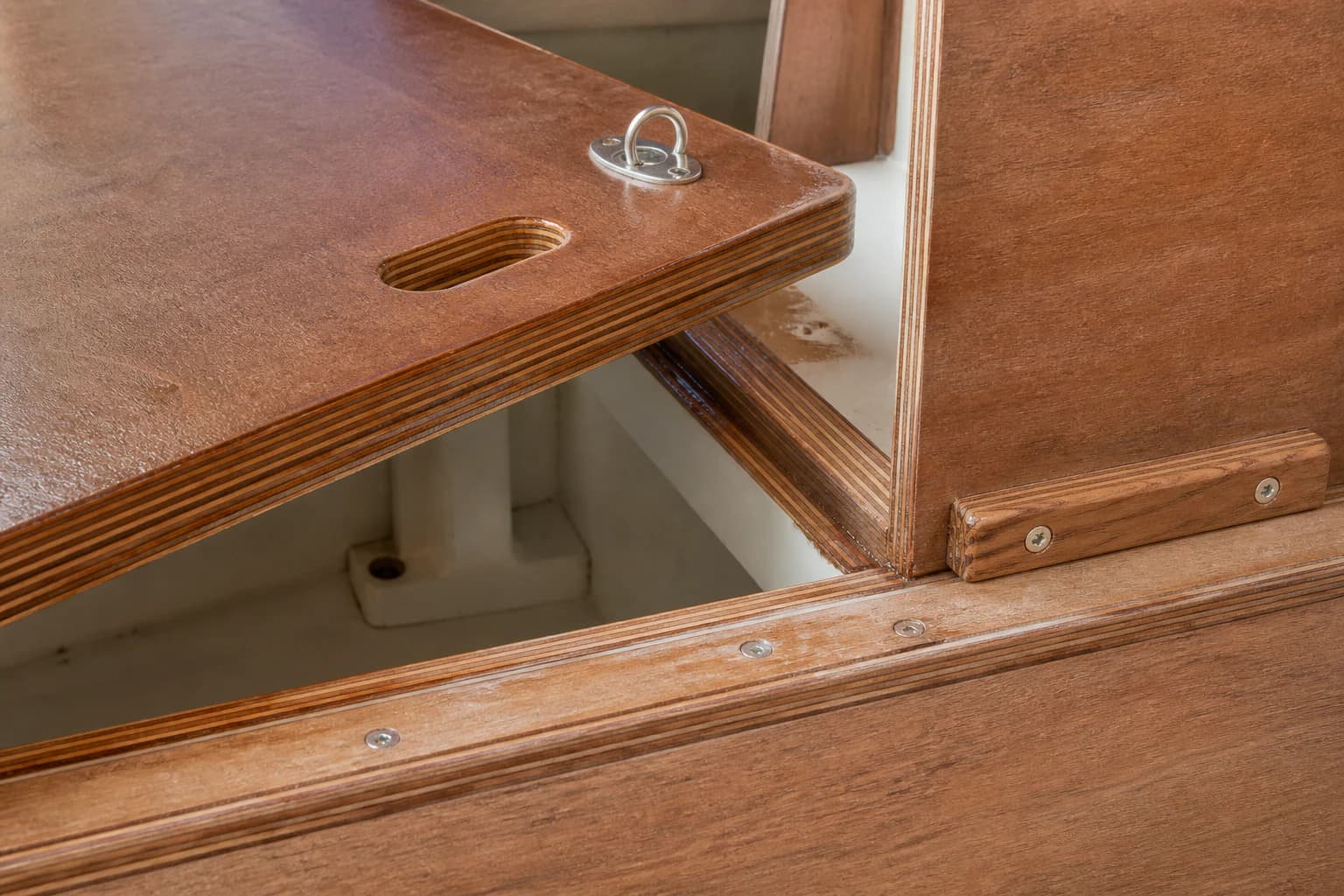
The fabrication detail connects the panel edge, coating, joints and fasteners at the material interface.

Coated marine plywood hatch and cabinet joint with visible sealed layered edges and stainless fasteners
Sealed edges & marine joineryCoated hatch and cabinet junction with a sealed plywood edge and stainless hardware.
INSPECTION + PACK CONTROL

Keep every batch connected to the approved construction.

Construction revision, test scope and pack identity move together.

  1. Confirm use, destination and nominated standard
  2. Freeze veneer species, grade and joint limits
  3. Approve ply schedule and core void-control reference
  4. Define adhesive, press and bond-document and test requirements
  5. Cut, sand and measure the production sample
  6. Release lot against sample, tests and pack record
BUYER QUESTIONS

Marine construction, standards and care

Clear answers before you order.

What is marine plywood?

Marine plywood is a complete controlled plywood construction for a demanding wet-service or nominated marine option. The order defines face and back veneer quality, core species and continuity, gap, void and repair limits, balanced lay-up, durable bond, dimensions and the named standard or document and test requirements. Colour, an adhesive name, WBP shorthand or a waterproof label cannot define that construction by themselves.

Is marine plywood waterproof?

Marine plywood is not a permanently waterproof installed system by name alone. The factory panel is released against its specified construction, wet-service bond test records and original factory-edge treatment. Site cuts, drilled holes and damaged corners expose the core and require compatible resealing; joints, fasteners and supports belong to the installed design. Coating, drainage, ventilation, covered storage, inspection and maintenance must also be defined for the service condition.

What does WBP mean in a marine plywood RFQ?

WBP is a long-used commercial expression for boil-resistant or weather-resistant bond performance. A comparable RFQ should instead identify the adhesive system, bonding-quality test and requirement, conditioning, specimen scope and intended exposure. That record prevents different constructions from being sold under one abbreviation.

How do BS 1088 and AS/NZS 2272 differ as procurement options?

They are separate marine-plywood product options with their own construction, quality and supporting documentation requirements. Select the option named by the project, then align species, veneer, core, bond, dimensions, production control and marking. Compliance with BS 1088 does not by itself establish compliance with AS/NZS 2272.

Which veneer and core species can be supplied?

options can be developed with Okoume or Gaboon, selected tropical hardwood, eucalyptus, birch, poplar or approved combinations. The acceptable choice depends on the nominated product options, face use, density, machining, coating, supply continuity and qualification plan.

What does selected or void-controlled core mean?

The order defines permitted inner-veneer joints, gaps, overlaps, repairs and discontinuities, then fixes a sampling method and edge reference. The phrase selected core should never stand alone; its measurable acceptance limits belong in the construction ledger.

Can marine plywood be supplied in 18 mm, 4×8 and oversize formats?

A 1220×2440 mm 4×8 sheet and 18 mm thickness are common reference formats. A 1525×3050, 1220×3800, 1250×3800 or 2100×2800 mm panel follows project validation for construction, lay-up, press capacity, core continuity, flatness, full-length support, packing, container loading and the nominated standard scope. The 1250×3800 option is available only in Controlled Marine Construction or Qualified Marine Standard after those checks.

How should factory edges, site cuts, coating and dry storage be specified?

State whether original edges receive a compatible factory coat, how machined cuts and holes are cleaned and re-sealed, which coating system is approved, and who owns cure and inspection. Store panels flat, off the floor and continuously supported under a ventilated weather cover that prevents trapped moisture.

What information is needed for a Marine Plywood RFQ?

Provide application and exposure, destination, nominated standard, face/back and core species, grades, void limits, bond specifications, size, thickness, measured tolerance, machining, factory edge option, site finish, quantity, inspection, supporting documentation, packing and target delivery window. Our team can recommend the suitable Incoterm for the destination and order volume.

Plywood enquiry

Tell us what you need.

Provide application and exposure; nominated marine or project standard; face, back and core species; veneer grades and void-control requirement; adhesive and bond test records; exact size including any 1250×3800 project requirements, thickness and tolerance; press and full-length support constraints; machining; factory edge and site finish; pack footprint, container and unloading inputs; quantity; destination; inspection and supporting documentation needs. Our team can recommend the suitable Incoterm for the destination and order volume.

CHAT WITH CUZI PLY

By sending this request, you allow CUZI PLY to use the submitted details to respond. Read the Privacy Policy.