CUZIPLY
Get a quote
CONTAINER FLOORING · DIRECT FROM OUR FACTORY

Container flooring plywood made for your floor layout.

Keep your container build or floor replacement moving with panels made to the required construction, dimensions and fixing layout. CUZI PLY manufactures plywood in Linyi, China. Work directly with our factory on face and core materials, surface protection, machined parts and the product documents your container specification needs.

Your project
New build · replacement · repeat parts
Panel selection
Construction · surface · protection
Supply form
Sheets · cut and machined floor parts
Made by
CUZI PLY · Linyi, China
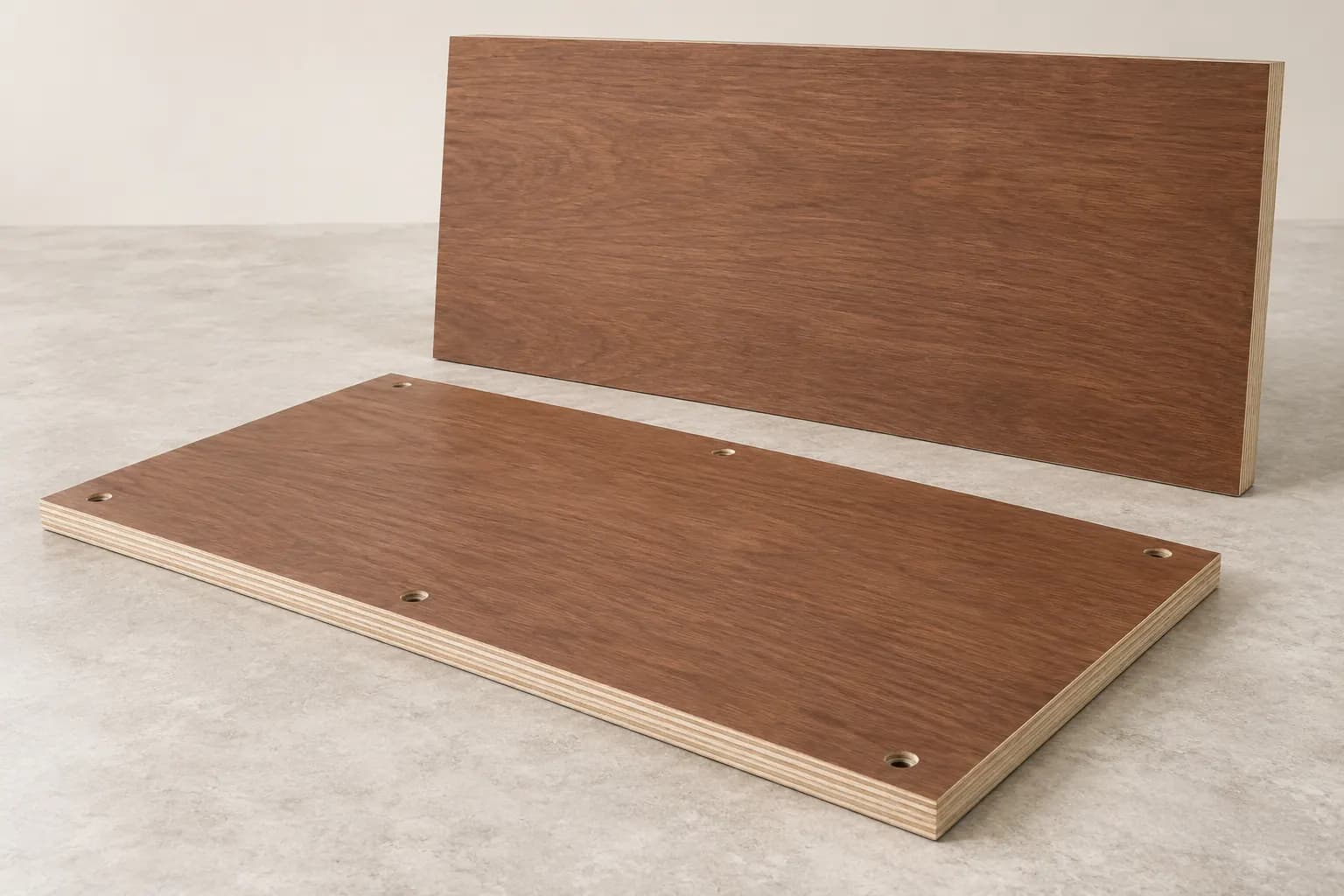
Hardwood-faced container flooring plywood panels with machined fixing holes and layered cut edges
Container flooring plywood faces and machined edges

Match the floor panels to your layout, supports and fixing positions. Specify finished thickness, joint profiles, surface protection and edge sealing together, with parts identified for installation.

One floor layout. Clearly identified parts.
THE BOARD AND THE WORKING SURFACE

Specify container flooring plywood as a complete panel.

Choose the veneer construction, finished thickness and working surface for the floor design. Include the reverse, cut edges, treatment and processing so your offer describes the panel and parts your team will install.

Wood-faced floor panels

Choose a named hardwood, birch or agreed mixed-veneer construction with the face and back specified. Match the board to the finished floor thickness, supports and fixing arrangement, with core quality and cut edges included in the order.

For your enquiry: Veneer species, layer arrangement, face/back grade, finished thickness, tolerances and the floor drawing.

Coated and protected surfaces

Specify the surface and reverse protection around cargo contact, loading equipment, cleaning and exposure. Include edge and hole sealing, coating compatibility and any required wear or friction test for the complete supplied panel.

For your enquiry: Face and reverse finish, wheel contact, cleaning agents, moisture, edges, holes and required surface tests.

Cut and machined floor parts

Order parts around reference edges, joint profiles, fixing holes and installation sequence. Keep the finished dimensions and tolerances tied to the floor drawing, with identification and packing that let your team find the right part.

For your enquiry: Part list, reference edges, profiles, countersinks, fixing layout, orientation, quantities and pack labels.

START WITH YOUR CONTAINER

Order plywood for container flooring around the job you need to complete.

New production and replacement floors need different starting information. Send the drawing or repair requirements you have; our factory team helps put the panel specification and supplied processing into a clear order.

New container production

Give our factory the floor drawing, material specification and relevant tests for your container design. Agree the board, part mix, surface protection and machining together for a production order with consistent identification.

For your enquiry: Container type, floor drawing, support layout, panel specification, test requirements and production quantities.

Replacement floor parts

Identify the container and the owner’s repair specification. Include damaged-part positions, joints and fixings, as well as the condition of the supports. Order the replacement against that specification rather than matching colour or copying one loose panel.

For your enquiry: Container identity, owner’s requirements, part positions, measured dimensions, joints, fixings and repair quantities.

Repeat repair and fleet supply

Keep each floor construction and part drawing identified in your order mix. We can pack and label parts by their agreed dimensions and installation positions, with material and processing requirements carried into repeat orders.

For your enquiry: Part codes, drawing revisions, quantities by construction, pack sequence, labels, delivery point and target date.

CARGO CONTACTS AND THE FLOOR BELOW THEM

Match local loads to the supports and test arrangement.

Keep concentrated cargo contacts, wheel traffic and the supporting structure together. Tell us the required panel and floor tests; the container design or repair specification determines the relevant loading and installed arrangement.

Cargo contact and wheel traffic

Provide concentrated cargo contacts and the loading equipment used on the floor. State axle or wheel loads, contact areas and travel paths separately from total cargo mass, so the requested testing represents how the floor is used.

Cross-members and floor joints

Send the support layout, spacing, bearing widths, joint positions and fixing details. Panel performance and test results need the relevant support and installation arrangement; a board thickness alone is not a floor load rating.

The installed container

For new builds, work to the container design and named floor-test requirements. For repairs, identify the container and use the owner’s repair specification. Your builder or repairer checks the complete assembly and the container’s continuing service requirements.

Compare the same floor, not only the same thickness

When you compare offers, align the veneer arrangement, finished thickness, supports, joints, fixings and loading contacts. Check the stated test conditions and the complete product required, with any coating and treatment included.

Request a Sample
FROM FLOOR DRAWING TO IDENTIFIED PARTS

Agree the machining, sealing and receiving details before production.

A usable floor part needs more than a cut length and width. Keep fit, fixing and surface protection in one specification, then identify the pieces for the installation sequence your workshop uses.

Fit the part to the floor

Specify reference edges, grain direction, squareness and finished thickness. Place joints and profiles against the floor drawing, with dimensional tolerances that suit the installation and sealing arrangement.

Keep fixings and protection together

Identify fasteners, holes, countersinks, edge and hole sealing, plus compatible coatings. State the factory machining and finishing required and the protection your installation team will complete. Include how any cuts or holes made on site will be sealed with compatible materials.

Make parts easy to receive

Match each pack label to the part code, drawing revision, orientation and quantity on your order. Agree pack sequence and unloading, and support panels flat with protection for surfaces and machined edges. Check dimensions, profiles, hole positions and supplied sealing against the part drawing at receipt.

YOUR FLOOR PANEL AND PART REQUIREMENTS

Keep materials, finished dimensions and floor requirements together.

Start with your container use, drawing, thickness and quantities. We identify the offered construction, surface, treatment and requested processing in the factory quotation.

Container floor panel and part requirementsConstruction, loads, supports, machining and protectionView specificationsHide specifications
Container flooring plywood supply specification
FieldOptions and order requirements
Container and floor drawingIdentify the container type, new-build or repair use, floor drawing and revision. For replacement parts, include the owner’s floor and repair specification rather than only the dimensions of a removed panel.
Face, back and inner veneersName the timber species in the outer and inner veneers. Agree layer sequence, orientation, ply count and any permitted material changes for the finished floor construction.
Core quality and cut edgesAgree core gaps, joints, overlaps, repairs and edge quality around profiles and fixings. Identify the material remaining after machining and requirements at supported or joined edges.
Finished thickness and toleranceState the actual finished floor thickness, tolerance and whether the measurement includes coating or overlay. Match the installed level, joint and fixing details in the floor drawing.
Sheet and floor-part dimensionsChoose Sheet sizes or send your part list. Include length, width, squareness, reference edges, face-grain direction, trim allowances and quantity for each floor position.
Surface and reverse protectionSpecify the working face, back coating or overlay, surface preparation and appearance. Include expected cargo contact, wheel traffic, cleaning agents and any required wear or friction test.
Edges, holes and sealingIdentify edge and hole protection, sealing materials and compatibility with the selected panel and coating. State which work is completed at the factory and which is completed during installation.
Joint profiles and machined partsProvide profiles, reference edges, hole centres, countersinks and installation orientation. Agree machining tolerances, finished fit and part identification before production.
Supports and fasteningSend cross-member spacing, bearing widths, joint positions, fastener details and the floor arrangement. Keep these details with the relevant panel and assembly test requirements.
Cargo and loading equipmentState cargo contact loads and areas, wheel or axle loads, wheel contact dimensions and travel paths. Identify the required test method and loading conditions; total payload alone does not describe local floor loading.
Moisture, mass and flatnessAgree conditioning, moisture, finished part mass and flatness measurement conditions. Compare measured values on the offered construction rather than assigning one density to every container floor panel.
Bond and service exposureSpecify bond requirements, wetting and drying, temperature and cleaning conditions for the selected construction. Include exposed cuts, holes, joints and any added surface protection.
Treatment and material informationState any preservative, pest-control, chemical restriction or sourcing requirement in the container specification. The offer identifies the selected treatment and applicable material and handling information.
Floor tests and project documentsName the required panel or assembled-floor tests, acceptance criteria and support arrangement. Include the container builder’s or owner’s specification and documents required for the finished container.
Part mix, packing and deliveryList quantities by thickness and part, pack sequence, labels, protection and unloading needs. Include destination, target date and the named delivery term for the quotation.
FORMATS AND YOUR FLOOR PART LIST

Choose sheet formats around the floor layout.

Compare formats against part dimensions, grain direction, machining and trimming. For cut parts, identify the reference edges, joints and fixing positions rather than selecting sheets by area alone.

Custom length and width are recorded with the selected plywood construction. Changes to the floor-part layout, supports or fixing positions are also coordinated with the relevant assembly design and tests.

Review sheet sizes and thicknesses
Regular factory formats
1220×2440, 1250×2500, 1525×3050 mm
Made-to-order formats
1250×3050, 1250×3660, 2100×2800, 1830×3660, 1250×3800 mm
Finished thickness and machined parts
Send your finished floor thickness, tolerance and part list, with quantity, reference edges, joint profiles, holes and orientation. The quotation states the construction and processing supplied.
THE PANEL THE FLOOR AND THE CONTAINER

Choose documents that answer your floor specification.

Tell us the named requirements and the container use. Review product reports against the offered board, floor tests against their installed arrangement, and the container documentation against the complete container.

FACTORY PRICING FOR YOUR FLOOR PARTS

Get a quote for the panel, machining and complete delivery.

Buy container flooring plywood directly from CUZI PLY. Keep face and core materials, thickness, surface, treatment, machining, quantities and delivery terms aligned when comparing your offers.

We help turn your floor drawing and material requirements into a panel and processing specification. Your quotation states the part mix, requested documents, packing and production arrangements.

Start your container floor enquiry

  • New build or repair, container type and floor specification.
  • Materials, finished thickness, dimensions and quantities by part.
  • Surface, treatment, joint profiles, holes and sealing.
  • Support layout, load contacts and required tests or documents.
  • Pack labels, destination, delivery point and target date.

For a sample, identify the construction, surface and thickness, with the machined edge or fixing detail you need to evaluate. We agree suitable pieces, any sample and courier costs and dispatch arrangements before sending them.

Order quantity & mix
Tell us the sheet size, thickness mix and quantity you need. We confirm the minimum order and available mix for your selected construction.
Production lead time
We confirm the production schedule with your specification, order quantity and sample requirements. Production lead times are planning estimates, not transit times.
Price & quotation unit
Currency and price unit stated in your quotation. Your quote is based on the agreed dimensions, construction and quantity. Processing and requested testing are stated separately where applicable.
Samples
Tell us the plywood, thickness, finish and delivery country. We confirm sample availability, any sample and courier costs, and dispatch arrangements before proceeding.
Packing & delivery
We agree export packing, labels and the loading plan for your order. Share the destination country, named port or delivery point and preferred delivery term. Freight, insurance, duties and taxes are included only when stated in the quotation.
Payment & order confirmation
We agree the payment method, currency and any deposit and balance schedule in the quotation or proforma invoice. Your order confirmation sets out the product, quantity, packing and delivery arrangements.

Your quotation states currency, price unit, quantity mix, processing, payment, packing, delivery terms and validity. Production time is separate from shipping transit; freight, insurance, duties and taxes are included only when listed.

BUYER QUESTIONS

New builds, replacement parts and floor requirements

Questions before you order container flooring plywood.

What is container flooring plywood?

It is plywood specified as part of a container floor, with the veneer construction, thickness, working surface, joints and fixings matched to the floor design. CUZI PLY manufactures sheets and machined floor parts to your requirements. Start with the container drawing, cargo contacts and loading equipment rather than only a general plywood name.

Can you supply panels for new containers and replacement floors?

Yes. For a new build, send the floor design and test requirements. For a replacement, identify the container, owner’s repair requirements and part positions. We quote the panel construction and requested processing; your builder or repairer checks the installed assembly and service requirements.

Which wood construction should I choose?

Name the face, back and inner veneers in the container specification, including the layer arrangement and grain orientation. Compare core quality, finished thickness, mass and applicable test results for that construction. A hardwood, birch or mixed-core label by itself does not fix the complete flooring product.

What thickness and dimensions can I order?

Send the actual finished thickness, tolerance and floor drawing. See Sheet sizes for regular and made-to-order formats, or request a cut part list. We specify the board and processing together so the floor level, joints, supports and fixings remain consistent.

Can you machine profiles and fixing holes?

Yes. Send reference edges, profiles, hole centres, countersinks, orientation and quantities. Agree machining tolerances and the finished fit, then identify parts and their installation sequence in the packs. Include edge and hole sealing in the work to be supplied.

Is ordinary film faced or anti-slip plywood interchangeable with a container floor panel?

Choose the complete flooring product against the container specification. Film colour and surface texture do not establish a floor load rating. Compare the inner construction, thickness, bonding, supports, fixings and required tests; a pedestrian-friction result is not a wheel-load or complete-container test.

How do I specify forklift traffic or concentrated cargo loads?

Provide wheel or axle loads, contact dimensions, travel paths, cargo contact areas and the support layout. State the test method and acceptance criteria for the relevant floor arrangement. Do not use total payload as the limit for every individual point or wheel contact.

Does a plywood report certify the complete container?

Panel reports describe their stated product and test conditions. The complete floor includes supports, joints and fasteners, and container safety approval applies to the container. Your builder or repairer uses the relevant design, floor tests and container documentation together; we identify the supplied panel and applicable product documents in the offer.

How are coating and treatment requirements agreed?

Specify the face and reverse protection, exposure, cleaning, edges and holes. Include any named treatment or chemical restrictions in the container specification and request the applicable material and handling information. We record the selected panel, coating, treatment and processing rather than inferring them from the colour.

Can custom dimensions use the same product construction?

Custom length and width are recorded with the selected construction, thickness and intended use; not every small dimensional change means a different plywood material. For a container floor, keep the changed part dimensions, joints, fixing positions and supports consistent with the relevant assembly design and test requirements.

Where is your container flooring plywood made?

CUZI PLY is the manufacturer and direct supplier in Linyi, Shandong, China, with 10 production lines across our plywood range. We work with you on the panel, processing, inspection and export packing. Named timber sourcing and our panel manufacturing location are separate details in the order.

Should I compare prices per sheet or per finished floor part?

Ask for the quotation unit and the number of usable parts in each offer. A sheet price may exclude cutting, profiles, holes, sealing and the material left after cutting. Compare the same part list, construction, machining, testing, packing and named delivery terms. For repeat floor orders, use part codes and drawing revisions so the price comparison covers the parts you will actually install.

How do I get a quote or request a sample?

Send the container or floor specification, dimensions and thickness, part quantities, surface and treatment requirements, machining, destination and target date. For a sample, name the construction and the surface, cut edge or fixing detail to evaluate. We confirm the proposed pieces, any sample and courier costs and dispatch arrangements before sending them.
MATERIALS AND OTHER FLOORING USES
WORK DIRECTLY WITH OUR FACTORY

Let’s put your next container floor order into production.

Send the floor specification, dimensions, quantities and destination. We will help define the panel and processing for a clear factory quotation.