Panels at finished size
State final length and width, squareness and visible-edge quality. Include the final size after edging or coating when that finish is part of the order.
Order plywood ready for your next operation. Specify cut dimensions, quantities, grain direction and finished edges, with protected packing for the parts you need.
Work directly with CUZI PLY, your plywood manufacturer and direct supplier in Linyi, China, with 10 production lines. We supply cut-to-size panels, rectangular blanks and strips for furniture, joinery and industrial orders.
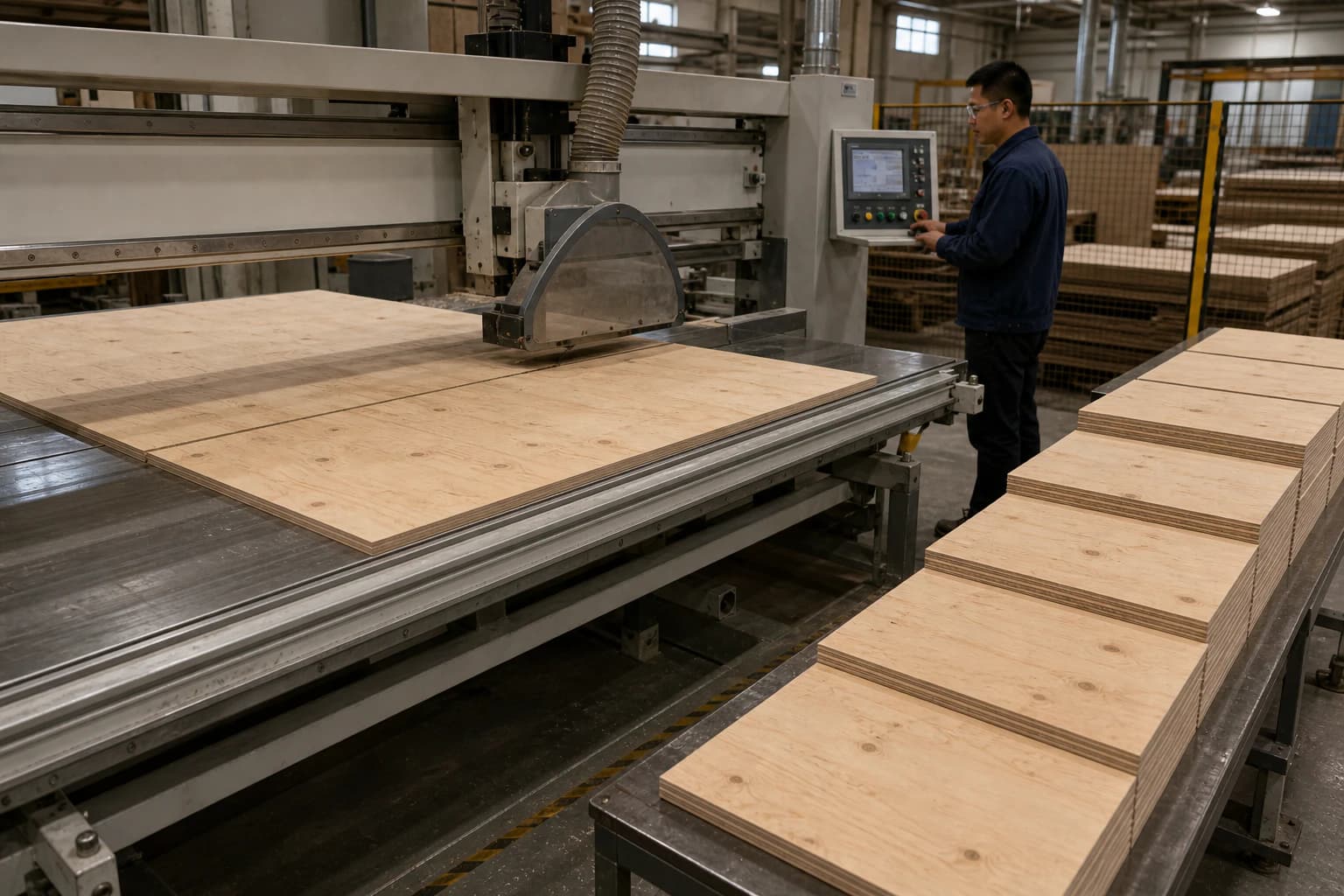
Choose the form that saves work at your next operation. Give a length, width, thickness and quantity for each part, with visible faces and direction. We supply the plywood and quote the included cutting together. Straight cuts produce rectangular panels, blanks and strips; profiles, holes and edge finishing are listed separately in your order.
State final length and width, squareness and visible-edge quality. Include the final size after edging or coating when that finish is part of the order.
Show the blank size and any allowance for later routing, trimming or fitting. Identify which operations your workshop completes after delivery.
List width, length and quantity for every reference. Keep grain, handed pieces and matching sets identified through cutting, support and pack labels.
Regular factory sheet formats: 1220×2440, 1250×2500, 1525×3050 mm. On-request formats: 1250×3050, 1250×3660, 2100×2800, 1830×3660, 1250×3800 mm. These are starting sheet sizes; order your cut parts by their finished dimensions.
Plan cabinet and joinery parts with Furniture & Interior Panels, crate panels with Industrial Packaging, or form panels with Concrete Formwork. Keep each application’s support, fixing and finishing requirements with the cut sizes.
Choose construction and finish around the part, not only the thickness. The same cutting list can need a different panel for visible furniture, moisture exposure, decorative interiors or coated industrial use.
Furniture parts, joinery and pieces with visible layered edges.
Agree the face grade, veneer construction, actual thickness, grain direction and cut-edge appearance. State the material identity and origin with the product documents so repeat parts use the same panel specification.
Also compare Baltic Birch Plywood.
Cabinet panels, visible furniture faces and matched components.
Face species, veneer grade, core, matching direction and the finish applied after cutting. The decorative face and the supporting core are separate choices.
Also compare Furniture Grade Plywood.
Parts for specified marine or moisture-exposed constructions.
Product grade, core, bond and project documents, with protection for newly cut edges and holes. Cutting to size does not replace the coating, joint and installation requirements.
Decorative cabinet and furniture panels prepared for assembly.
Decor, texture, matching reverse, thickness, visible edges and edging. Keep any directional pattern with the cutting list and state dimensions after edge banding.
Finished interior panels and components with a laminate surface.
Laminate grade, colour, substrate, balancing reverse and edge treatment. Identify the final laminate thickness and the faces that must stay free of cutting damage.
Coated panels and parts selected for forming, flooring or industrial use.
Film or overlay, face texture, core, bond and treatment of cut edges. For black plywood, identify the actual surface: a black colour does not distinguish film, melamine or laminate.
Also compare Anti-Slip Plywood.
For panels carrying specified loads, select the grade and support arrangement with Structural Plywood. Product and project documents belong with the ordered construction, not only with the cutting dimensions.
Give the required thickness with your material and part dimensions. Include actual-thickness fit where a groove, fixing or mating part depends on it; a nominal thickness label does not define every assembly clearance.
Describe back panels, liners or other thin-part use, with support and flatness requirements. Plan protective separation and handling around the piece size; laser cutting needs its own material and machine-safety requirements.
Plan laser-cutting materialInclude the joint, fastener, span and surface finish. For furniture and fitted parts, show whether the edge remains exposed or receives edging before final assembly.
Keep hardware, rebates, grooves and the finished edge with the panel specification. Any load-bearing use also needs the appropriate grade, design and support; thickness alone is not a capacity rating.
Start with the details you know. Keep sizes and quantities against part references, then add direction, edge finish and fit requirements. A clear revision makes repeat orders easier to compare and keeps later changes out of an earlier cutting list.
| Requirement | What to include | Why it matters |
|---|---|---|
| Part reference & quantity | Part ID, list or drawing revision, quantity for each size and matching or handed sets. | Keep different parts separate, including pieces that look alike but face or fit differently. |
| Length, width & units | Finished length and width in mm, or clearly identified inch dimensions. List any blank sizes separately. | Avoid mixing nominal sheet sizes, trimming allowances and the dimensions needed for assembly. |
| Material & thickness | Product, face, core, bond, surface finish and specified thickness; add important actual-thickness requirements. | Choose the plywood around fittings, load, appearance and the next manufacturing process. |
| Grain & presentation face | A grain or decor arrow, visible face, matching sequence and edges seen after assembly. | Keep appearance and cutting direction together rather than rotating every piece to improve yield. |
| Fit & tolerances | Length and width tolerances, squareness, reference edges, mating parts and measurement condition. | Define the dimensions and fit that matter; sheet-thickness tolerance is not finished-part accuracy. |
| Edges & next operations | Cut-edge quality, edging or sealing, finished size after edging and allowance for later routing or trimming. | Agree which operations are included and what your workshop completes after delivery. |
| Packing & destination | Pack quantities, part labels, protective separation, port or delivery point and target date. | Plan handling and export delivery around the dimensions and quantities you will actually receive. |
Start your enquiry with the use, sizes, quantities and destination. Describe the drawing or cutting-list details you already have; our team will help complete the requirements and arrange the drawing exchange.
Mark face grain or decor direction, the presentation face and any matching sequence. State whether a piece may be rotated. A furniture face, directional laminate or handed panel may need a different layout from a concealed utility part.
The cutting layout needs space for the cut width and any edge trimming. Dividing total part area by sheet area cannot by itself establish a sheet count: direction, part mix and practical positioning also affect usable yield.
Compare material, usable quantities, cutting, waste, further work and packing together. Identify whether you want retained offcuts, and keep any spare or replacement pieces on the same part list.
Put important tolerances, reference edges and measurement conditions on the drawing. Keep length and width, actual panel thickness, flatness and joint clearance as separate requirements. We confirm cutting and inspection for your construction and geometry, rather than applying one accuracy figure to every plywood part.
Specify edge appearance, splintering limits where important, and the finish your next operation needs. For melamine, veneer and laminate, show the presentation face and whether both faces remain visible.
Identify edge banding, sealing or coating, with final dimensions after material is added. Newly cut edges, holes and later site trimming need the treatment specified for the use; a decorative edge is not automatically moisture protection.
For repeat parts, agree the cutting-list revision, checking dimensions and measurement conditions before production. Where a joint or visible edge is critical, request a cut part for fit and finish assessment; our quotation confirms the preparation, checking scope and any associated costs.
Plan Edge Banding & Finishing, Surface & Overlay Options and Quality & Inspection with the finished part.
Give the diameter or dimensioned outline, centres, holes, pockets, grooves, internal radii and joint fit. Identify the visible face and measurement references. Keep these features with the plywood construction and finished thickness so shaped parts are quoted as components, not mistaken for straight-cut blanks.
Use CNC Plywood Component Requirements and Plywood Cutting & Forming to plan the additional features. Your quotation identifies the processing and supplied parts; assembly, hardware and complete-product testing are included only when specified in the order.
Keep matching sets, quantities and orientation on package labels. Specify face protection, protective separation and supported bundles for the part sizes. Thin strips, decorative surfaces and finished edges need packing suited to their handling and destination.
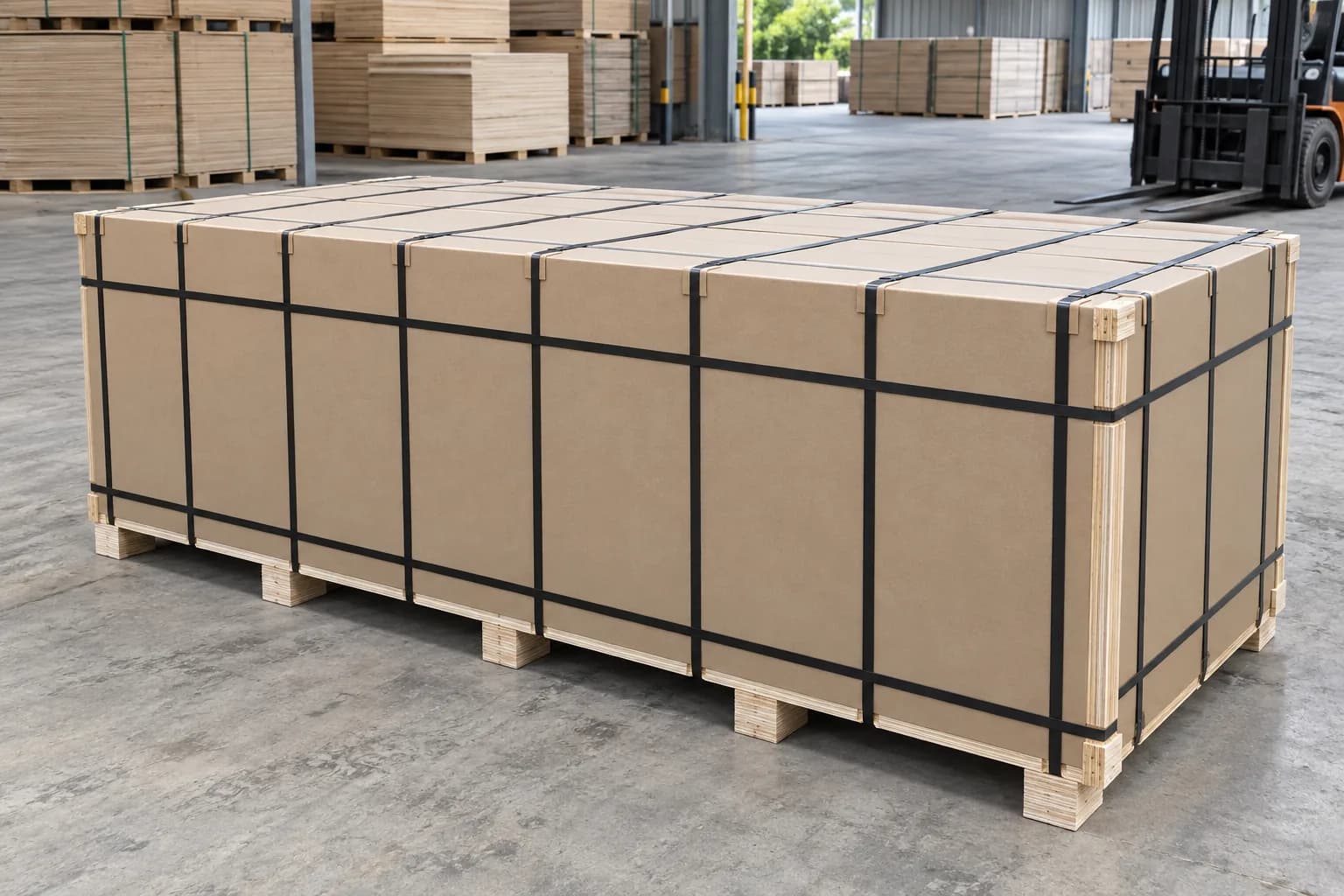
CUZI PLY manufactures in Linyi, China. For the UK, Europe, Australia or another export market, give the port or delivery point, quantities and target date. We plan factory production, packing and freight together, with the delivery term and included charges in your quotation.
Send your cutting list online to plan a factory supply order. We confirm the material, processing and quantities first, then quote production and delivery to your destination. For same-day local collection, use a nearby cutting service.
Explore Europe, Australia and Packing & Container Loading for destination and package planning.
Send the part mix and quantities, not just a total area. Keep the same construction, thickness, direction, tolerances, finish and delivery basis when comparing quotations. We confirm the minimum quantity, production schedule and commercial terms for your order.
Compare the same face, core, bond, thickness and finish, with quantities for every cut size. Compare the complete cost per usable part, including cutting and further work, rather than the full-sheet price alone.
Include grain direction, cut width, edge trimming and the part mix. State whether retained offcuts are included; total part area alone does not establish the number of sheets required.
Agree any drawing preparation, setup and dimensional or appearance checks. Keep repeat quantities tied to the same cutting-list revision and measurement basis.
Identify sealing, edge banding, profiles, holes and coating separately from straight cutting. The quotation states the supplied form and the work your workshop completes.
Confirm labelled part groups, quantities per bundle, face separation and supported packaging. Include the protection needed for thin pieces, visible faces and finished edges.
Use a named port or delivery point and delivery term. Identify included freight and other charges, with factory production time and transport time stated separately.
Materials, cut sizes and factory delivery
Yes. CUZI PLY manufactures plywood in Linyi, China and supplies cut-to-size panels, rectangular blanks and strips for your order. Send the material or application, finished dimensions, thickness, quantity per part and destination. We confirm the panel construction, cutting requirements, packing and delivery in a factory quotation.
You can start the order through our Contact enquiry. Enter the product, sizes, thickness, quantities and delivery point; describe grain direction, edges or further machining where needed. Our factory team checks the part list and sends a quotation. The enquiry is not an instant-price checkout or a promise of immediate dispatch.
Options include birch, Baltic birch constructions, hardwood and veneered furniture plywood, marine plywood, melamine, HPL and laminated plywood, and film faced or phenolic panels. Select the face, core, bond, thickness and finish for the application. For black panels, identify the required film, decor or laminate rather than ordering by colour alone.
Give the required thickness with your part dimensions and quantity. Thin 3mm parts need handling, support and flatness suited to their use. For 12mm and 18mm parts, include fixings, joints, loads and appearance requirements. Thickness alone does not establish structural capacity or suitability for a particular component; choose the construction and grade for the job.
List a part ID, revision, finished length and width, units, quantity, plywood construction, thickness and grain direction for every piece. Identify the visible face and edges, important tolerances, edging or sealing, later trimming and matching sets. Add packing requirements and the destination.
Mark the face grain or decor direction and any matching sequence on each part. Show the visible side and whether a part may be rotated in the cutting layout. Keep handed pieces and matching sets identified through cutting, labels and packing.
State the finished dimensions after edging if that is how the part must fit. Identify the edging material, thickness and edges covered. List blank dimensions separately where your workshop will add edging, route profiles or trim the part after delivery.
Include the diameter or dimensioned outline, centre positions, holes, profiles, internal radii and fitting requirements. Circular and shaped parts belong in a component drawing rather than only a rectangular cutting list. We confirm the processing, finished geometry and supplied parts for the order.
Specify the important length, width, squareness and edge requirements, together with reference edges and how the finished part is measured. The agreed tolerance depends on the plywood, geometry, material condition and subsequent finishing. We confirm it with the cutting requirements rather than applying one accuracy figure to every part.
Give your port or delivery point, quantities and target date. CUZI PLY manufactures in Linyi, China and plans factory production, protected packing and export delivery for the order. Freight, delivery terms and destination arrangements are confirmed in the quotation. We are not a local walk-in cutting counter in London, Sydney, Melbourne or Brisbane.
A factory export order is suited to a planned panel or part requirement, with material selection, quantities, packing and transport agreed together. If you need a few pieces collected locally the same day, a nearby retailer offers a different service. Our quotation sets out the factory supply and delivery to your named destination.
They depend on the plywood construction, thickness, part mix, processing, quantity and destination. Compare the price for the usable parts with cutting, any preparation, edge work, packing and delivery included. We confirm minimum quantities and the production schedule for your order; transit time is considered separately.
Give the material or application, finished sizes, thickness, quantity per part and destination. Add grain direction, important fit requirements and any edge work. Our factory team will help complete the cutting details and quote the plywood in the form your workshop needs.
For a physical assessment before ordering, identify the material, thickness, finish or cut-edge detail. We confirm availability, preparation, sample and courier costs, and dispatch arrangements.