CNC cutting and profiles
Give the outline, finished dimensions, internal openings and radii. Include grain direction, reference edges, matching pieces and the edges visible after assembly.
Order plywood parts ready for your assembly. Specify profiles, holes, grooves and finished edges on one drawing, with material selection and part labels planned together.
CUZI PLY is your plywood manufacturer and direct supplier in Linyi, China, with 10 production lines. Work with our factory on machined components, agreed finishing and protected export delivery.
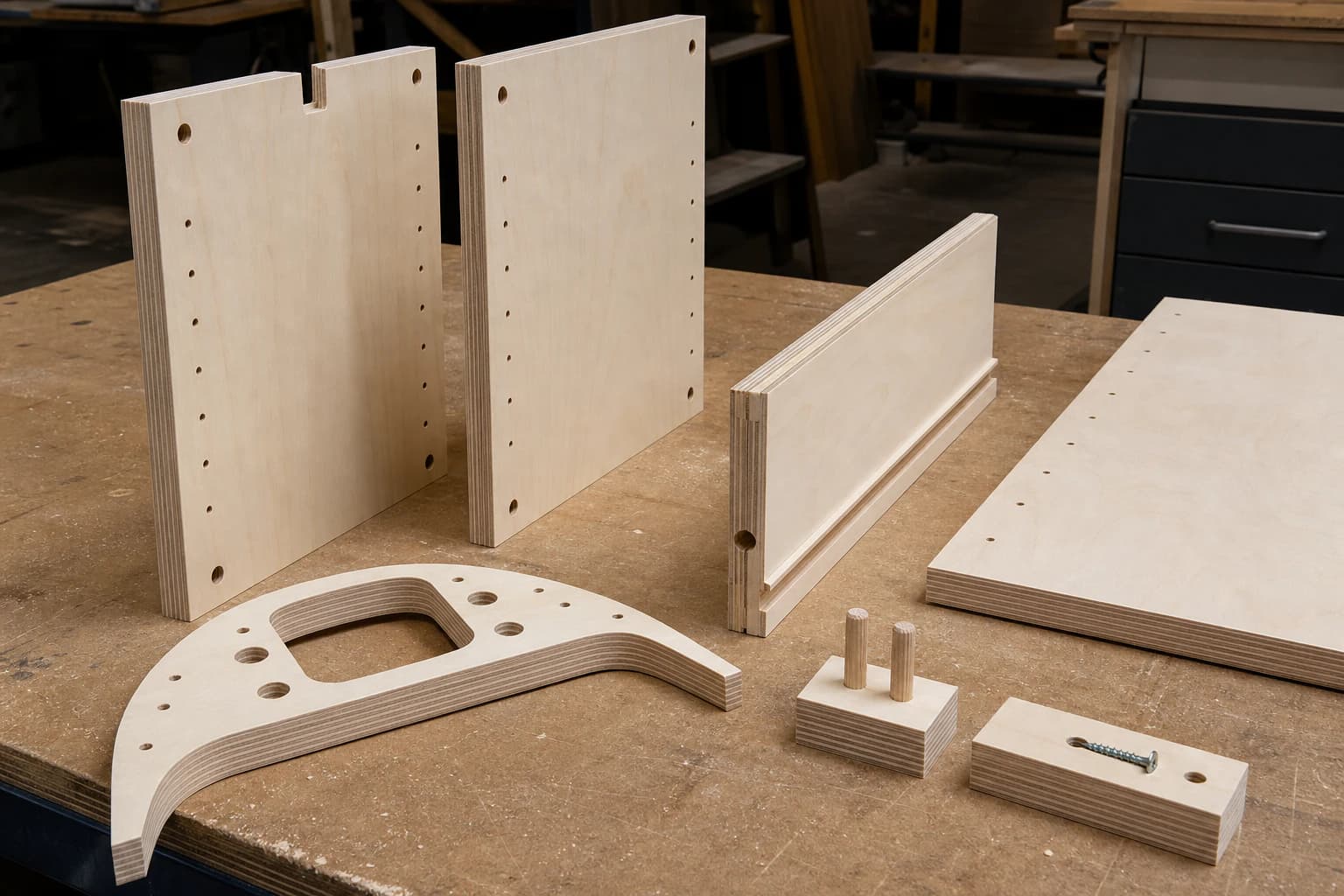
Start with the finished piece and the work it needs to do. Keep profiles, drilled positions, pockets and grooves on one drawing, with the plywood construction, presentation face and final thickness. We supply the plywood and quote the agreed processing together. Your quotation lists the components, included machining, finishing and checks; work completed by your workshop is identified separately.
Give the outline, finished dimensions, internal openings and radii. Include grain direction, reference edges, matching pieces and the edges visible after assembly.
Show diameters, hole centres, depths and drilling faces. Connect fixing positions to the hardware and mating components rather than measuring from different edges on different parts.
Specify width, depth and location from a named face. Keep remaining thickness and joint clearance with the required finish, so the feature fits after coating or edging.
Regular factory sheet formats: 1220×2440, 1250×2500, 1525×3050 mm. On-request formats: 1250×3050, 1250×3660, 2100×2800, 1830×3660, 1250×3800 mm. These are starting panel formats; component dimensions, thickness, material and processing are agreed for your drawing.
For two-sided components, show both machining faces and their shared reference edges. Flag angled or edge features and any restricted tool access. Our team confirms the processing plan for the panel and geometry, with the agreed operations stated in the order.
Show each hole diameter and centre position from reference edges or faces. Identify through holes, blind holes, depth, entry face and any recess or countersink. Include the fixing, dowel, insert or hardware drawing and the fit it requires; a clearance hole and a fitted bore are different requirements.
A blind hole needs a specified depth and enough remaining material for the intended face and use. Mark features on both sides separately, with their relationship to the presentation face. For angled or edge features, give the geometry so the processing can be confirmed for the part.
Include spacing, edge distances and hardware clearances with the mating components. Mark the measurements that matter to assembly and how they will be checked. For loaded connections, use the appropriate panel grade, fastener and connection design; a drilled pattern alone is not a load rating.
Specify the finished outline, cutouts, internal radii, reference points and orientation. Routed internal corners have a tool-related radius. Show the mating part and the intended corner relief or geometry where a square insert must fit, rather than leaving the assembly to an assumed sharp internal corner.
Locate openings, slots and rebates from the same drawing references. Include width, depth, start and end positions and the face from which a pocket is machined. Keep handed and mirrored parts identified separately.
Use actual-thickness requirements where a slot receives another panel. Include assembly clearance, edge banding and coating in the finished geometry. Mark whether the order contains a machining blank or the component at its final size.
For rectangular blanks without component features, use Cut-to-Size Plywood. Plan visible edges with Edge Banding & Finishing and review Plywood Cutting & Forming.
Match the face, core, bond and finish to the component, its hardware and service conditions. A decorative face, an exposed layered edge and a moisture-exposed fixing can call for different material and finishing choices, even when the outline is the same.
Furniture components, routed joints and parts with visible layered edges.
Face quality, core construction, finished thickness, edge appearance and the fixing or joint. Select the construction for the actual part, not only the species name.
Also compare Baltic Birch Plywood.
Veneered furniture fronts, shaped panels and interior joinery.
Visible face, grain and matching sequence, core, reverse face and coating. Protect the veneer through drilling, machining and packing.
Also compare Furniture Grade Plywood.
Decorative cabinet panels with holes, grooves and finished edges.
Decor, texture, matching reverse, hardware positions and the edges to be banded. Show final dimensions after edging and the faces visible in the assembly.
Finished interior components prepared for fitting or assembly.
Surface finish, plywood substrate, balancing reverse, overall thickness and cut-edge treatment. Keep presentation-face protection with the machining requirements.
Also compare Prefinished Plywood.
Coated industrial parts, floors and platforms with cutouts or fixing positions.
Overlay, face texture, core and bond, with sealing for cut edges and holes. State the support, loading and service conditions for the installed part.
Also compare Anti-Slip Plywood.
Perforated or grooved interior panels made to a defined pattern.
Hole or groove pattern, open area, finish, edge margins and mounting details. Acoustic performance belongs to the complete installed build-up, including its backing and cavity.
Choose the birch face and core construction with the finished thickness, joint and edge appearance. State whether the layered edge stays visible, receives a profile or is covered. Keep holes, routed joints and fixing details tied to the same construction and actual-thickness requirements.
Mark the presentation face, grain direction and matching sequence. Specify sanding or coating, visible-edge quality and protection during transport. A shaped front or exposed-edge part needs appearance requirements as well as dimensions.
Show the mating material, slot clearance, dowel or hardware fit and important hole centres. Compare the core, cut edge and final fit for the application; do not select a component solely from its species name or nominal thickness.
Compare Birch Plywood, Baltic Birch Plywood and Birch vs Baltic Birch to choose the construction before setting the component drawing.
Keep the part list, quantity and drawing revision together. Define the geometry, reference faces and finish for each piece, including mirrored parts that look similar. A readable drawing and part list make preparation, quotation, receiving and repeat orders follow the same requirements.
| Requirement | What to include | Why it matters |
|---|---|---|
| Part ID, revision & quantity | Part reference, drawing revision, quantity per part, handed pieces and matching sets. | Keep similar-looking components separate and connect each pack label to the correct geometry. |
| Material & finished thickness | Plywood face, core, bond, surface finish, nominal thickness and any important actual-thickness fit. | Match machining, hardware and joint clearance to the plywood that will be supplied. |
| Outline & dimension units | Finished length and width, dimensioned outline, units, cutouts, internal radii and reference edges. | Distinguish a rectangular blank from a finished profile and make curved or irregular features measurable. |
| Holes & hardware | Diameter, centre positions, through or blind holes, depth, drilling face and the fixing or hardware used. | Keep entry face, remaining material and mating features with the same drilling requirements. |
| Grooves, pockets & rebates | Width, depth, length, start and end positions, reference face and joint clearance. | Define the removed material and fit rather than relying on a picture of the finished assembly. |
| Grain, faces & finished edges | Grain or decor direction, presentation face, edge appearance, edging or sealing and final dimensions after finishing. | Keep appearance, part orientation and material added by finishing in the cutting and machining plan. |
| Tolerances & measurement | Important dimensional tolerances, datum edges or faces, measurement stage, mating parts and required checks. | Separate panel thickness, hole location, profile size and finished-part fit; avoid one accuracy figure for every feature. |
| Labels, packing & delivery | Part groups, pack quantities, protective separation, destination, delivery term and target date. | Prepare the components for receiving, assembly and repeat orders, not only for leaving the machining operation. |
Start your enquiry with the application, material, sizes, quantities, features and destination. Use a dimensioned drawing with clear units and revision. If you already have CAD files, tell us the format; our team will arrange the drawing exchange and help complete any missing details.
Specify important dimensions, datums, measurement conditions and the stage at which checks are made. Keep outer size, hole positions, actual panel thickness, flatness and joint clearance as separate requirements. Finished-part fit depends on the material and processing as well as machine positioning.
Identify the critical hole centres, diameters, profiles and mating features. Agree the checks for each reference, including a hardware-fit assessment where needed. A universal accuracy figure cannot describe every plywood construction, geometry and finish.
Check the specified face condition, cut-edge appearance and finish, with the construction and thickness. Keep any required product documents with the chosen panel. Component fit and complete-system performance are assessed against the assembly and project requirements.
For a first or revised order, identify the parts and hardware needed to assess fit, finish and important dimensions. Agree the checking scope, reference part and drawing revision before repeat production. The quotation states any preparation and inspection costs, with changes to geometry or finish confirmed before the next order.
Use Quality & Inspection for receiving and part checks, and Standards & Certifications for product and project document requirements.
The assembly explains which features need the closest attention. State the visible faces, hardware, support, handling, cleaning and moisture exposure, with the operations carried out after delivery.
Keep joint fit, hardware positions, face grain and finished edges together for carcass panels, shaped fronts and repeat furniture parts.
Plan furniture componentsSpecify cutouts, fastener positions, internal clearances and protective finishes with the case construction and hardware.
Plan case componentsKeep fixing positions, support, surface texture and edge or hole sealing with the intended floor or platform use.
Plan flooring and platformsDefine the groove or perforation layout, mounting and finish, with the backing, cavity and installation needed for the complete interior system.
Plan acoustic performanceGroup matching components and keep part IDs, revisions, quantities and orientation on the pack list. Plan protective separation for decorative surfaces, protection for finished edges and support for thin or shaped pieces. The pack arrangement should suit receiving and the next operation, not only the overall bundle size.
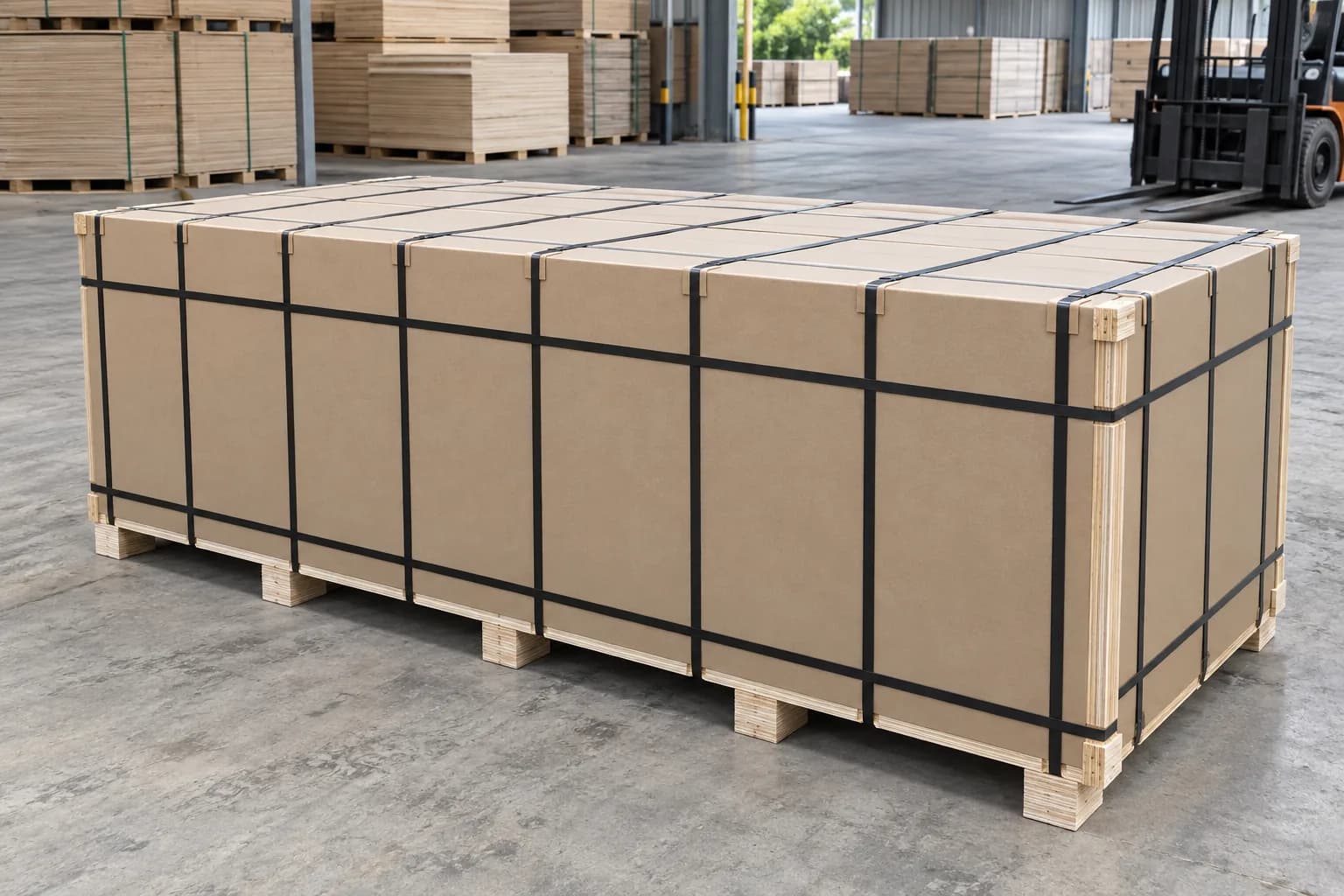
Give the delivery point, order quantities and target date. We plan plywood supply, processing and protective packing with the agreed delivery term, included charges and production schedule. Keep factory production time and transport time separate.
Keep the approved part list, material, finish, handed sets and package references with each reorder. Identify any changed features before the next quotation so replacement and repeat parts use the intended dimensions.
Plan Packing & Container Loading, Europe and North America with your destination requirements.
Send the quantities for each component, not only a total sheet area. Compare the same material, drawing revision, machining, finish, checks and delivery basis. The quotation identifies what is supplied and any preparation costs, with minimum quantities and timing confirmed for your order.
Compare the same face, core, bond, thickness and finish, with quantities for every component. Grain direction, part shape and cutting layout affect the material used.
Keep the part list and drawing revision together. Identify any drawing preparation, setup, tooling or jigs and how these costs apply to the first and repeat orders.
List cutting, profiles, holes, pockets, grooves and rebates against each part. The quotation identifies the processing supplied and the operations your workshop completes.
Include edging, sealing or coating, visible-face protection, important measurements and any hardware-fit assessment. Compare dimensions at the same finished stage.
Keep handed pieces, matching sets, labels and quantities together. Include protective separation, edge protection and supported packs for handling at the destination.
Use a named delivery point and delivery term, with included freight and other charges stated. Agree minimum quantities, production time and transit arrangements for the order.
Material, machining and component delivery
Yes. CUZI PLY is your plywood manufacturer and direct supplier in Linyi, China. Give the material or application, part dimensions, thickness, profiles, holes, quantities and destination. Our factory team brings the plywood construction and drawing-led processing into the supplied order, with checks, packing and delivery agreed in the quotation.
Describe the required outlines, curved profiles, internal cutouts and finished dimensions, with grain direction and visible faces. Add holes, pockets, grooves or rebates to the same drawing where needed. We confirm the processing and supplied form for your material and geometry, including the edge finish and operations completed by your workshop.
Show hole diameters and centre positions from named reference edges or faces. Identify through or blind holes, depth, drilling face, countersinks or recesses where required, and the intended hardware. State the fit and important tolerances, especially where several components share fixing positions.
Yes. Specify the birch construction, finished thickness and required edge appearance with the profile or joint. Keep visible layered edges, face grain, coating and fixing details together. Assess the core and machined edge for the intended furniture or component use before setting the repeat-order requirements.
Specify the decor or laminate, plywood substrate, balancing reverse and overall thickness. Mark the presentation face, hole locations, profiles and edges to be finished. Show final dimensions after edge banding or coating and plan protection for both the visible surface and the finished edges.
Routed internal corners have a radius related to the cutting tool. Show the required internal radius and the shape of the mating part; where a square-cornered insert must fit, include the intended corner relief or revised geometry. Keep joint clearance with actual panel thickness, finish and assembly requirements.
No. Finished dimensions also depend on the plywood, thickness variation, flatness, work holding, cutting, coating and measurement condition. Specify the important feature tolerances and reference faces. We agree the achievable part requirements and checks for your material and geometry, rather than applying a universal accuracy figure.
Start through Contact with the application, material or finish, approximate part sizes, thickness, quantities and destination. Describe the profiles, holes and fit you already know. Our team will help complete the dimensioned drawing and part list, agree the units and revision, and arrange the drawing exchange. If you already have CAD files, tell us the format.
Your quotation identifies the plywood and processed components supplied, including any requested finishing and checks. Tell us whether you also need hardware, assembly or tests for the finished item. These belong in the order scope so your workshop knows what arrives ready and what it completes after delivery.
Keep part references, revision, quantities, handed pieces and matching sets on the pack list. Specify face separation and protection for finished edges, small pieces and thin parts. Bundle support, package sizes and handling arrangements are planned for the components and receiving location.
They depend on the plywood construction, part mix, drawing preparation, operations, finish, quantity, checks and destination. Compare the delivered component order rather than only the price of an unprocessed sheet. We confirm minimum quantities and production timing in the quotation, with transport time and delivery terms stated separately.
Describe the material, thickness, finish, joint, hole or cut-edge detail you want to assess, with the destination. Use Request a Sample to start that enquiry. We confirm preparation, availability, sample and courier costs, and dispatch arrangements, with any production-part checks agreed for the order.
Give the material or application, finished sizes, thickness, profiles, holes, quantity per part and destination. Add important fit, visible faces and edging or coating. Our factory team will help complete the part requirements and quote the plywood, processing and delivery together.
For a physical assessment, identify the material, thickness, finish or machined feature. We confirm preparation, availability, sample and courier costs, and dispatch arrangements.