CUZIPLY
Get a quote
FROM THE DOOR DESIGN TO YOUR PLYWOOD ORDER

Plywood door skins and panels, made for your door design.

Get the facing, core and component sizes working together before the door reaches your press. Buy plywood door skins and panel components with the veneer, thickness, bonding surface and machining chosen for your design. Order sheets for your workshop or agreed cut and machined parts, with front and back sets identified for the next operation.

CUZI PLY is your plywood manufacturer and direct supplier in Linyi, China, with 10 production lines. Work directly with our factory team to compare constructions, coordinate the visible finish and get a quotation for your component quantities and destination.

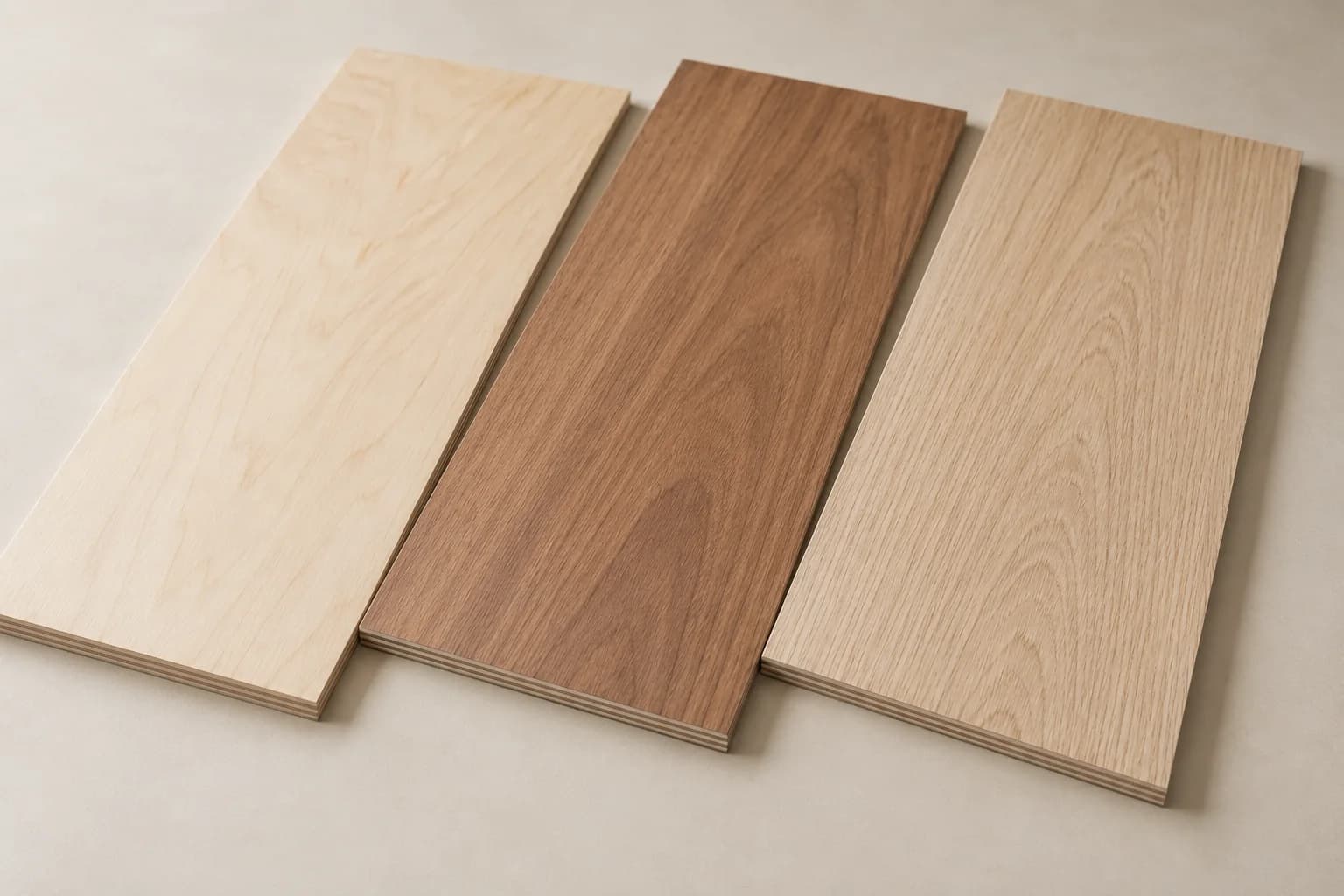
Thin plywood door-facing panels with continuous veneer faces and narrow layered cut edges
Choose the face and skin construction with the door build-up. Specify both faces, skin thickness and grain direction with the door design and finish. Keep the plywood core and bonding surface with the panels your workshop will press or machine.
START WITH THE PART THE PLYWOOD WILL BECOME

Plywood door skins for your facing and pressing process.

A door skin is a plywood facing bonded to the door's supporting construction. Specify the veneer, core, bond, skin thickness and preparation needed for that operation. A thicker plywood panel used as an infill or machined component has a different role: it needs its own joints, edge details and fitting requirements.

Facing thickness and door thickness

Give the thickness of each skin separately from the required finished door-leaf thickness. Include the core, framing and any coating or laminate. Keep final thickness with the hinge, lock, clearance and joint dimensions that depend on the completed door.

What you order from our factory

Choose plywood sheets, cut facings or agreed machined panel components. Your quotation identifies the construction, finish, processing and packing supplied. Finished doors, frames, hardware sets and installation are separate scopes, not included simply by ordering plywood.

COORDINATE THE SKINS WITH THE DOOR BUILD-UP

Plywood for flush doors, selected for both sides and the press.

Start with the door build-up: core, stiles, rails, facing layers, adhesive and intended finish. Choose the skin construction and thickness with the receiving surface and pressing process. Give front and back requirements together, including face direction, final leaf dimensions and the operations completed after pressing.

Veneered or painted facings

For natural veneer, specify species, grade, grain direction and the appearance across matching doors. For painting or an added covering, identify the required face preparation and finishing sequence. Choose the core and bonding surface with the selected face, not by colour alone.

Edges and reinforcement

Keep door-edge construction, any lipping, hardware backing and later machining with the door drawing. Identify which plywood edges remain visible or receive protection. Thin skins face the supporting build-up; they are not a substitute for the backing needed at every fixing.

Compare Commercial Plywood, Hardwood Plywood and Okoume Plywood for the intended facing.

CONNECT THE FACE TO THE OPENING SCHEDULE

Plywood for interior doors with a coordinated finish and part list.

Give the room or opening references, component quantities, visible faces and intended interior conditions. Distinguish natural veneer, painted and laminated door facings. Include cleaning, indoor humidity, possible splash exposure and edge protection where the doors will be used.

Appearance across adjoining doors

Specify veneer species, grade, grain direction, coating and front and back arrangement. Identify pairs, neighbouring openings and any intended veneer sequence. Keep those references on the cut list and packs so the workshop can assemble the specified sets.

Conditions and the finished construction

Describe changing humidity and the finishing of both sides, edges and openings. Coordinate conditioning, adhesive and coating with your door-making process. Indoor use alone does not define a wet-area door or establish the performance of the finished assembly.

Review Prefinished Plywood and Plywood Moisture & Water Resistance with your selected finish.

SPECIFY THE PANEL'S ACTUAL ROLE

Plywood door panels, infill panels and shaped components.

Identify whether the part is a facing, an infill held in a surrounding frame, an access panel or another machined component. Give the finished dimensions, panel construction, supports, joints, profile and visible edges. Do not transfer one skin specification to every panel in the design.

Infill and frame interfaces

Locate grooves, rebates, reference edges and the dimensions that control the panel's fit. Include the intended joint arrangement, movement allowance and finish added after machining. Keep these details with the current component drawing.

Cabinet and architectural doors

Identify the finished use. Cabinet fronts and furniture parts have different hardware, support and project requirements from doors separating rooms. For fitted storage, use Cabinets & Kitchen Furniture; for neighbouring wall panels, review Shopfitting & Interior Panels.

CHOOSE THE PLYWOOD WITH THE COMPONENT

Compare the face, core and finished construction together.

Choose plywood for the part's role, thickness, bonding, finish and intended conditions. Share the known inputs first; our factory team can help compare face, core and processing choices when you need advice.

Commercial Plywood

Facings or covered components that receive an agreed paint, veneer or other finish.

Skin thickness, core, bonding surface, face preparation, final finish and the door build-up.

Hardwood & Okoume Plywood

Door facings and panel components selected for visible natural veneer.

Face species, grade, grain direction, front and back arrangement, coating and appearance across adjacent doors.

Also compare Okoume Plywood.

Birch & Furniture Grade Plywood

Machined panel components, infill panels and parts with defined joints and fittings.

Panel construction, thickness, reference faces, hardware positions, edge finish and important fit dimensions.

Also compare Furniture Grade Plywood.

Poplar & Lightweight Plywood

Facings and interior components where the selected panel construction and finished mass matter.

Core, face, bond, thickness and mass requirements with supports, fittings and the complete door design.

Also compare Lightweight Plywood.

HPL & Prefinished Plywood

Panels with a specified decorative or coated surface for interior use.

Decor or veneer, sheen, reverse construction, overall thickness, adhesive compatibility and edge treatment.

Also compare Prefinished Plywood.

Fire-Retardant Plywood

Plywood components for a project with defined material fire requirements.

The selected construction, treatment, finish and intended use. Keep any finished door's fire-resistance requirement with the complete door assembly and its applicable documentation.

Regular sheet formats: 1220×2440, 1250×2500, 1525×3050 mm. On-request formats: 1250×3050, 1250×3660, 2100×2800, 1830×3660, 1250×3800 mm. Give final facing or panel sizes, thickness and quantities with grain direction and front and back sets. Sheet formats are starting sizes for your cutting layout, not a statement of finished door dimensions.

MAKE BOTH SIDES PART OF THE ORDER

Veneer, paint and laminate choices with the reverse specified.

Give both faces, grain direction, grade and the supplied or later finish. Coordinate the face layers, reverse, adhesive and supporting construction with the door-making process. Identify bare, coated and laminated components separately when comparing quotations.

Natural veneer and matched sets

State the visible species, intended appearance and coating. Identify the front and back pair, adjoining openings and directional requirements. Keep permissible natural variation and any matching requirement clear in the purchasing specification.

Painting or adding a decorative surface

Identify face preparation, surface condition and the paint, veneer or laminate added in your workshop. Include the overall thickness after finishing, edges and openings requiring protection. Coordinate the treatment of both sides rather than leaving the reverse undecided.

Before a larger order, compare front and back appearance, grain direction, surface preparation and the finish in the intended lighting. Check the skin thickness and finished dimensions against your pressing and fitting sequence. Keep the agreed face reference and drawing revision with production and repeat orders.

Compare Surface & Overlay Options and Core Materials & Species.

PREPARE THE SKIN FOR YOUR WORKSHOP PROCESS

Bonding surfaces, pressing and conditioning.

Tell us the receiving substrate, adhesive system, face preparation and intended pressing and finishing sequence. Use the adhesive supplier's instructions and your validated workshop process for pressure, temperature and cure. The bond within the plywood and the adhesive used to attach a skin to a door are separate selections.

Surface and substrate compatibility

Identify bare wood, coating or laminate at the bonding surface and the core or framing it meets. Include preparation required before pressing. Our quotation states the plywood and preparation supplied so your workshop can coordinate the remaining operations.

Flatness at the agreed stage

Agree the conditioning and check stage with final machining and finishing. Define the reference face and important dimensions rather than assuming a universal flatness limit. Support facings in storage and handling before they enter the press.

Review Bonding & Emission Options for plywood construction and Plywood Storage & Handling for receiving.

PUT FIXINGS IN THE SUPPORTED CONSTRUCTION

Hinge, lock and hardware locations with backing defined.

Show hardware positions, screw paths and reinforcement on the door drawing. Keep those details with the core, stiles, rails and edge construction. A thin plywood skin alone should not be treated as the supporting material for all hinge and lock fixings.

Holes, recesses and clearance

Locate holes, cutouts and recesses from named faces and edges. Include the hardware interface, finished leaf thickness and dimensions important to fit. Identify machining performed before pressing and work done on the assembled door.

Supported parts and remaining work

State the supplied plywood component and what your workshop adds: backing, lipping, adhesive, hardware or final finish. Agree the machining scope and checks before comparing a prepared component with an unprocessed sheet.

TURN OPENING REFERENCES INTO COMPONENTS

Cutting and machining that follow your door-panel drawings.

Give each component its finished dimensions, quantity and part or opening reference. Keep front and back pairs, grain direction, handed pieces and important fit dimensions with the current drawing revision. Locate profiles, holes and grooves from the surfaces used to assemble the part.

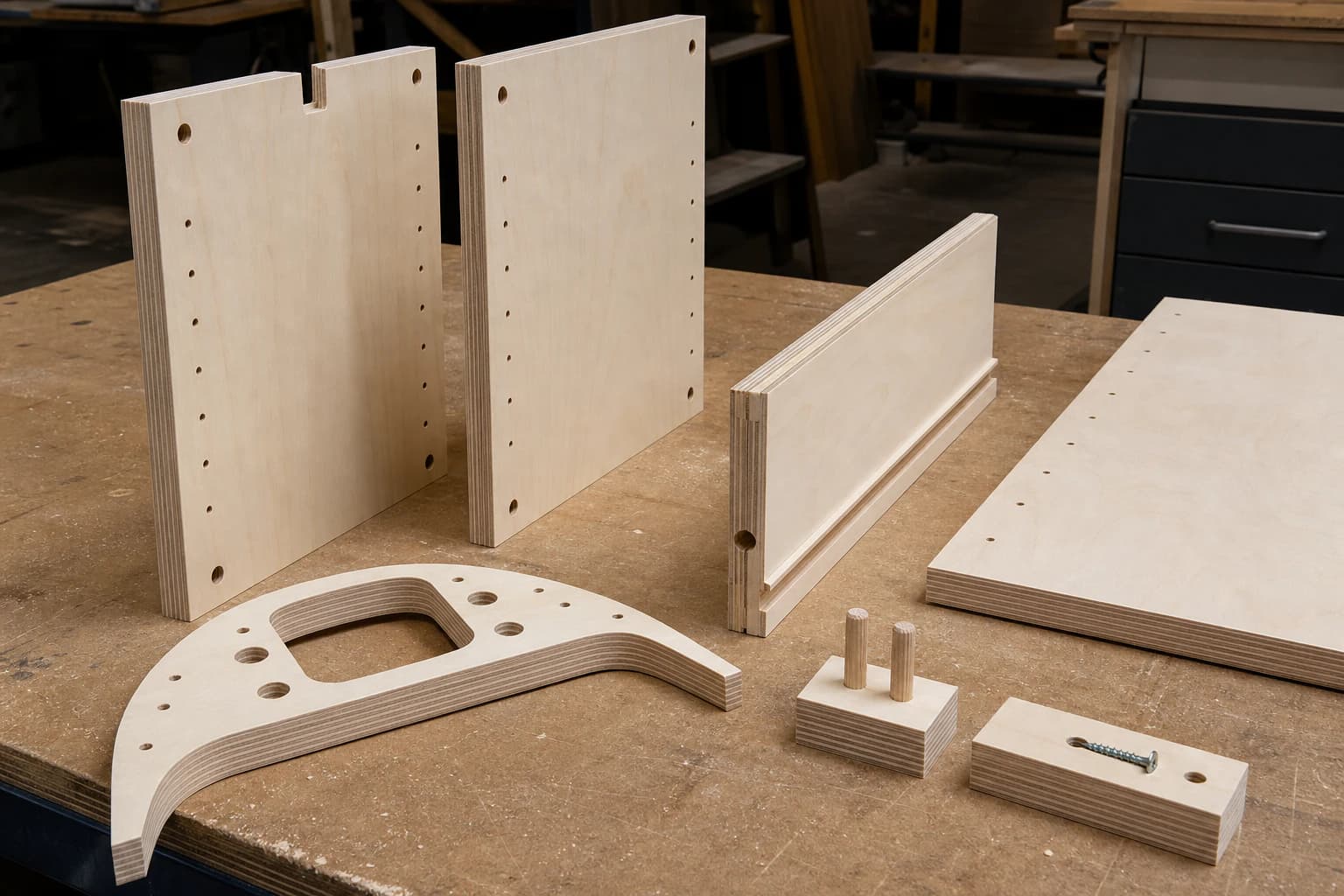
Machined plywood components with drilled holes, grooves, curved profiles and layered edges
Locate machining from the faces and edges that control assembly. Give each component a part reference, finished size and quantity. Locate holes, grooves and profiles from named faces and edges, and identify the hardware backing and finishing that follow machining.

Agree the delivered component

Choose sheets, cut facings or agreed machined panels. Identify edges to be left visible, covered or protected and any later cuts, pressing or coating. Keep dimension and face checks with the supplied processing stage.

Repeat parts without losing the references

Keep part IDs, drawing revision, selected construction and pack labels together. Separate initial preparation from repeat quantities and identify front and back sets in the receiving list.

Plan Cut-to-Size Plywood and CNC Plywood Components with the part schedule.

ASK FOR THE INFORMATION YOUR DOOR PROJECT NEEDS

Plywood documents and finished-door requirements are different.

Share the destination, intended use, selected plywood construction and finish. Request relevant product emission, material fire or sourcing information. If the project requires fire resistance, smoke control or acoustic performance of a finished door, keep that requirement with the complete assembly and its applicable documents.

Material fire classification

Identify the plywood, treatment, coating and intended use when requesting material information. Fire-retardant plywood does not by itself establish a completed door's fire-resistance rating. Review Plywood Fire Performance with the project specification.

Door leaf, frame and fittings

Keep the leaf build-up, frame, hardware, seals and glazing with any required finished-door performance. Use the documentation applicable to the complete construction. The government fire-door checking guidance describes routine maintenance checks for existing fire doors in England, including the frame, glazing, hardware and seals.

Emissions and sourcing

State the market and project requirements with the face, core and supplied finish. Connect requested sourcing and transaction information to the ordered material. Review Plywood Emissions: US & EU and Sourcing: FSC, PEFC & EPD.

Custom dimensions and the selected product

Order custom facing or panel sizes with the plywood construction, finish and intended use. Request producer and product identification, report or certificate references and applicable product information for the supplied component. Keep the finished door's project requirements with its complete build-up, installation details and corresponding documents.

Start with the project requirements and the construction you plan to use. Our factory team can arrange the relevant plywood information through Standards & Certifications.

START WITH THE DETAILS YOU ALREADY HAVE

Door-component dimensions, quantities and enquiry details.

Send the part's role, door build-up, facing or panel thickness, visible finish, final sizes, quantities and destination. Add adhesive, pressing, hardware and project requirements where known. For undecided veneer, core or skin thickness, write “Need advice” in Requirements; our factory team can help complete the plywood specification.

RequirementWhat to includeWhy it matters
Component and door build-upFacing skin, flush-door panel, infill or other component; core, stiles, rails and intended interior location.Select the plywood for its actual role rather than treating a skin as a finished door.
Skin and finished leaf thicknessThickness of each plywood facing, other layers and the required finished door or panel thickness.Coordinate pressing, joints, fittings and final dimensions without confusing two different thicknesses.
Faces, reverse and finishVeneer species, grade, grain direction, paint or laminate, front and back finishes and matched sets.Keep appearance and both sides of the construction in the same order.
Bonding and workshop sequenceReceiving substrate, intended adhesive, pressing or finishing sequence and required surface preparation.Connect the supplied plywood to the bonding process used by the door manufacturer.
Component dimensions and quantitiesUnits, final cut sizes, part or opening IDs, front and back pairs, quantities and drawing revision.Turn the door schedule into a cutting list and identifiable packs.
Hardware and machiningHinge or lock locations, backing, holes, grooves, reference faces, profiles and important fit dimensions.Locate machining correctly and retain the support needed by the complete door design.
Conditions and project documentsDestination, indoor humidity, cleaning, finish and required material or finished-assembly performance.Match product information to the intended use and separate plywood documents from doorset requirements.
Supplied stage and deliverySheets, cut facings or agreed machined parts; remaining work, labels, protection, destination and target date.Quote the same processing stage and organise delivery for your next workshop operation.

Begin in Contact with the information you have. Send drawings by email or WhatsApp after making contact. Keep opening IDs, front and back pairs, handed parts, units, face direction, final cut sizes and drawing revision together, including any cutting allowance or machining after pressing. Use How to Specify Plywood and Plywood Machining & Edge Finishing to prepare the component order.

KEEP THE SUPPLIED STAGE AND PRICE BASIS CLEAR

An organised door-facing order, ready for receiving and pressing.

Compare the same plywood construction, front and back finish, skin or panel thickness, cutting, machining and delivery basis. Keep processing completed by our factory and work remaining in your workshop clear before comparing prices.

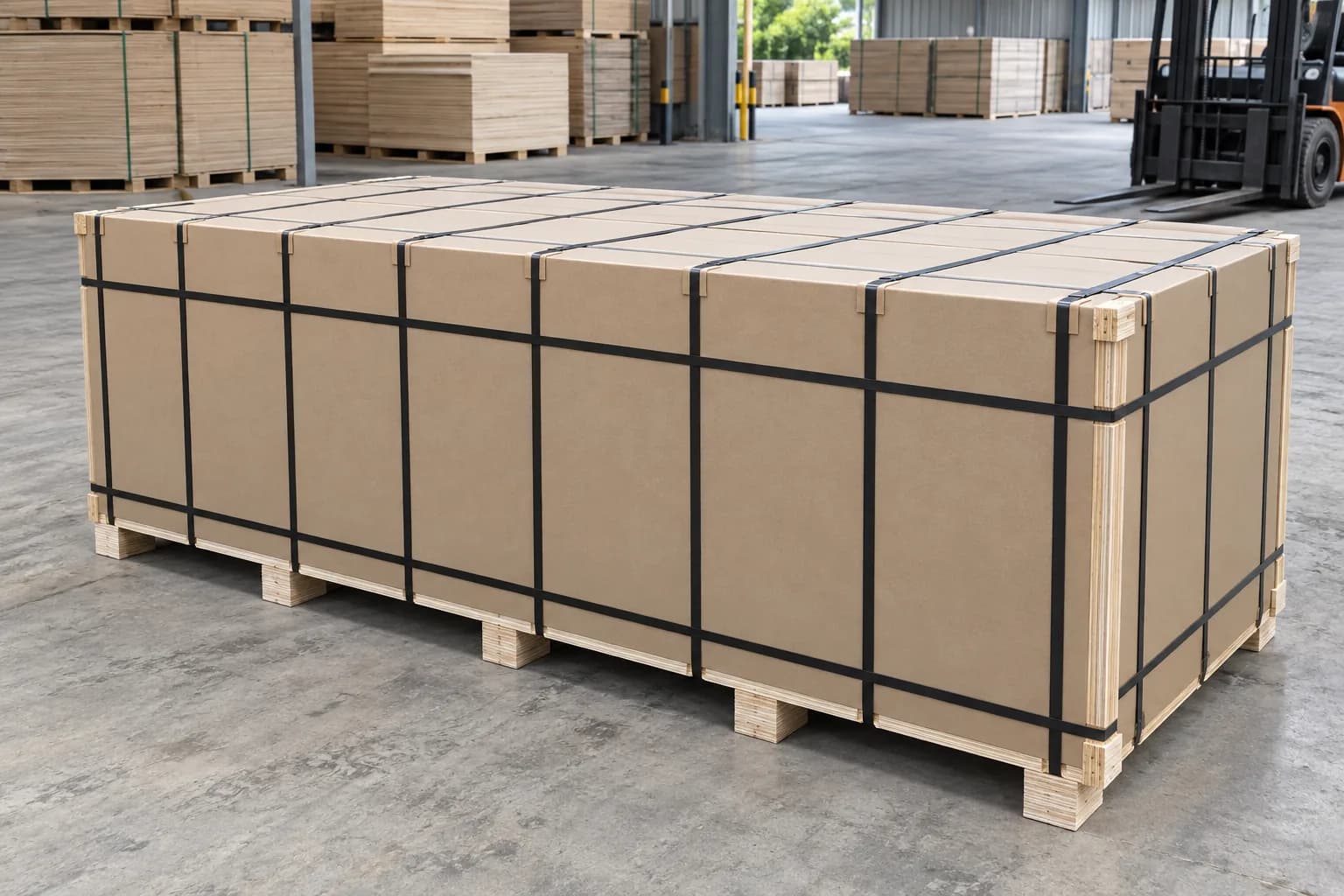
Protected plywood package with outer boards, corner blocks, straps and timber supports
Keep door-facing sets identified and protected for pressing. Group front and back facings by door or part reference. Protect veneer faces, support panels flat and connect pack labels to quantities, grain direction and the next workshop operation.

Front and back sets, labelled together

Group facings by part or door reference and identify quantities, direction and matching sets. Protect veneer faces and cut edges, support packs flat and connect labels to the current receiving list.

Receiving and storage before assembly

Tell us your receiving equipment, storage conditions and next operation. Keep supported storage and conditioning with the workshop sequence. Review Packing & Container Loading and Quality & Inspection for the agreed order.

Plywood and both faces

Compare the same veneer, core, bond, skin or panel thickness, reverse and quantity. Identify any coating or laminate supplied with the plywood.

Cutting and component preparation

Include part dimensions, front and back sets, profiles, holes and grooves. Separate initial machining preparation from repeat-part pricing.

Bonding and later finishing

Identify surface preparation supplied by CUZI PLY and pressing, coating, lipping, hardware fitting or door assembly completed by your workshop.

Checks and documents

Agree face quality, dimensions and relevant product information with the selected construction. State any requested testing or additional documentation separately.

Identification and flat protection

Specify part and door references, face direction, matched sets, protective separation and supported packs for receiving and storage.

Quantity and delivery basis

Confirm the order mix, production timing, delivery term, named destination and included charges. Separate factory production from transport time.

Order quantity & mix
Tell us the sheet size, thickness mix and quantity you need. We confirm the minimum order and available mix for your selected construction.
Production lead time
We confirm the production schedule with your specification, order quantity and sample requirements. Production lead times are planning estimates, not transit times.
Price & quotation unit
Currency and price unit stated in your quotation. Your quote is based on the agreed dimensions, construction and quantity. Processing and requested testing are stated separately where applicable.
Samples
Tell us the plywood, thickness, finish and delivery country. We confirm sample availability, any sample and courier costs, and dispatch arrangements before proceeding.
Packing & delivery
We agree export packing, labels and the loading plan for your order. Share the destination country, named port or delivery point and preferred delivery term. Freight, insurance, duties and taxes are included only when stated in the quotation.
Payment & order confirmation
We agree the payment method, currency and any deposit and balance schedule in the quotation or proforma invoice. Your order confirmation sets out the product, quantity, packing and delivery arrangements.
BUYER QUESTIONS

Facings, pressing and door components

Questions about plywood door skins and panels.

Can I buy plywood door skins directly from CUZI PLY?

Yes. CUZI PLY is your plywood manufacturer and direct supplier in Linyi, China, with 10 production lines. Send the door build-up, facing construction, thickness, veneer or finish, final sizes, quantities and destination. We can quote plywood sheets or agreed cut and machined components.

What is the difference between a plywood door skin and a door panel?

A door skin is a facing bonded to the door's supporting construction. A panel may be an infill or a thicker component with its own joints and fittings. State the part's role and construction, the thickness of each facing and the finished door thickness. Those dimensions describe different parts of the order.

Which plywood should I use for flush doors?

Start with the intended door build-up, core, stiles and rails, then specify the skin thickness, veneer or finish, bonding surface and workshop process. Compare constructions for both sides together. The door manufacturer coordinates the plywood with pressing, hardware backing, final dimensions and any finished-door requirements.

Can you supply plywood for interior doors with natural veneer faces?

Yes. Give the visible veneer species and grade, grain direction, front and back arrangement and intended coating. Identify neighbouring doors, matched pairs and the appearance you need across the opening schedule. Keep the reverse, core and bonding surface with the selected face.

What thickness should plywood door skins be?

Specify the facing thickness from your door design and pressing process, not from the finished leaf thickness alone. Include the core and other layers, any coating or laminate and final dimensions needed for hardware and joints. We help compare plywood constructions against those inputs rather than recommending one thickness for every door.

Do both sides of a door need to be specified?

Yes. Include the front and back veneers or finishes, grain direction, adhesive and supporting construction. Coordinate finishing and conditioning for both sides with your door-making process. Do not leave the reverse unspecified when comparing painted, veneered or laminated facings.

How should I specify adhesive and pressing requirements?

Tell us the receiving substrate, adhesive system, surface preparation and intended pressing and finishing sequence. Use the adhesive supplier's instructions and your validated workshop process for pressure, temperature and curing. Our quotation identifies the plywood and preparation supplied; it does not substitute a generic pressing recipe for your door construction.

Can hinge and lock positions be machined into the plywood?

We can quote agreed holes, profiles and grooves from your part drawings. Include reference faces, positions, tolerances important to fit and the backing or reinforcement in the door design. A thin facing alone should not be treated as the supporting material for all hinge and lock fixings.

Does fire-retardant plywood make a certified fire door?

Material fire classification and the fire resistance of a completed door assembly are different requirements. Give the project's required result, selected plywood and finish, plus the door leaf, frame, hardware, seals and glazing where relevant. Request the applicable material and door-assembly documents for the construction your project uses.

Do you supply complete doors or installed doorsets?

This page covers plywood and agreed plywood components. Your quotation identifies the sheets, facings, cut or machined parts and protective packing supplied by CUZI PLY. Finished doors, frames, hardware sets, door certification and installation are separate scopes and are not included simply by ordering plywood.

Can I order custom door-facing dimensions?

Yes. Give the final part sizes, units, thickness and quantities with front and back sets and grain direction. Keep cutting allowances, machining references and the finished-door dimensions distinct. We coordinate the supplied facings and relevant plywood information with the selected construction, finish and intended use.

Can I enquire before choosing the veneer, core or skin thickness?

Yes. Send the facing or component's role, door build-up, final sizes, quantities and destination, then write “Need advice” in Requirements for undecided choices. Add the finish, adhesive, pressing sequence and hardware where known. Our factory team can compare constructions and clarify the supplied stage before preparing your quotation.

How can I check a facing before a larger order?

Use Request a Sample and describe the veneer or finish, construction, skin thickness, bonding surface and machining detail you need to assess. Check the front and back appearance, surface preparation, fit dimensions and compatibility with your workshop's adhesive and pressing process. Keep the agreed face reference and part revision with the order. Give the intended door build-up and destination; we confirm preparation, availability, any sample and courier costs and dispatch arrangements.
GET THE PLYWOOD ORDER READY FOR YOUR DOOR WORKSHOP

Tell us which door facings and panel components you need.

Give the door build-up, face and reverse, skin or panel thickness, final sizes, quantities and destination. Add bonding, hardware backing, machining and project requirements. We will help compare plywood constructions and quote the agreed components with protective packing.

For a physical assessment, identify the construction, veneer or finish, thickness, bonding surface and processing detail you need. We confirm preparation, availability, sample and courier costs and dispatch arrangements.