CUZIPLY
Get a quote
FROM THE BOAT SPECIFICATION TO YOUR PLYWOOD ORDER

Plywood for boatbuilding and yacht interiors.

Choose plywood for the boat component you are building. Send your panel specification or yacht-interior schedule. We help compare marine constructions, veneers, core and weight, then quote sheets or agreed cut panels with finishing and export packing.

CUZI PLY is your plywood manufacturer and direct supplier in Linyi, China, with 10 production lines. Start with the components and quantities you know. If face, core or finish is undecided, write “Need advice” in Requirements. We help select the plywood while your vessel designer specifies the load-carrying components.

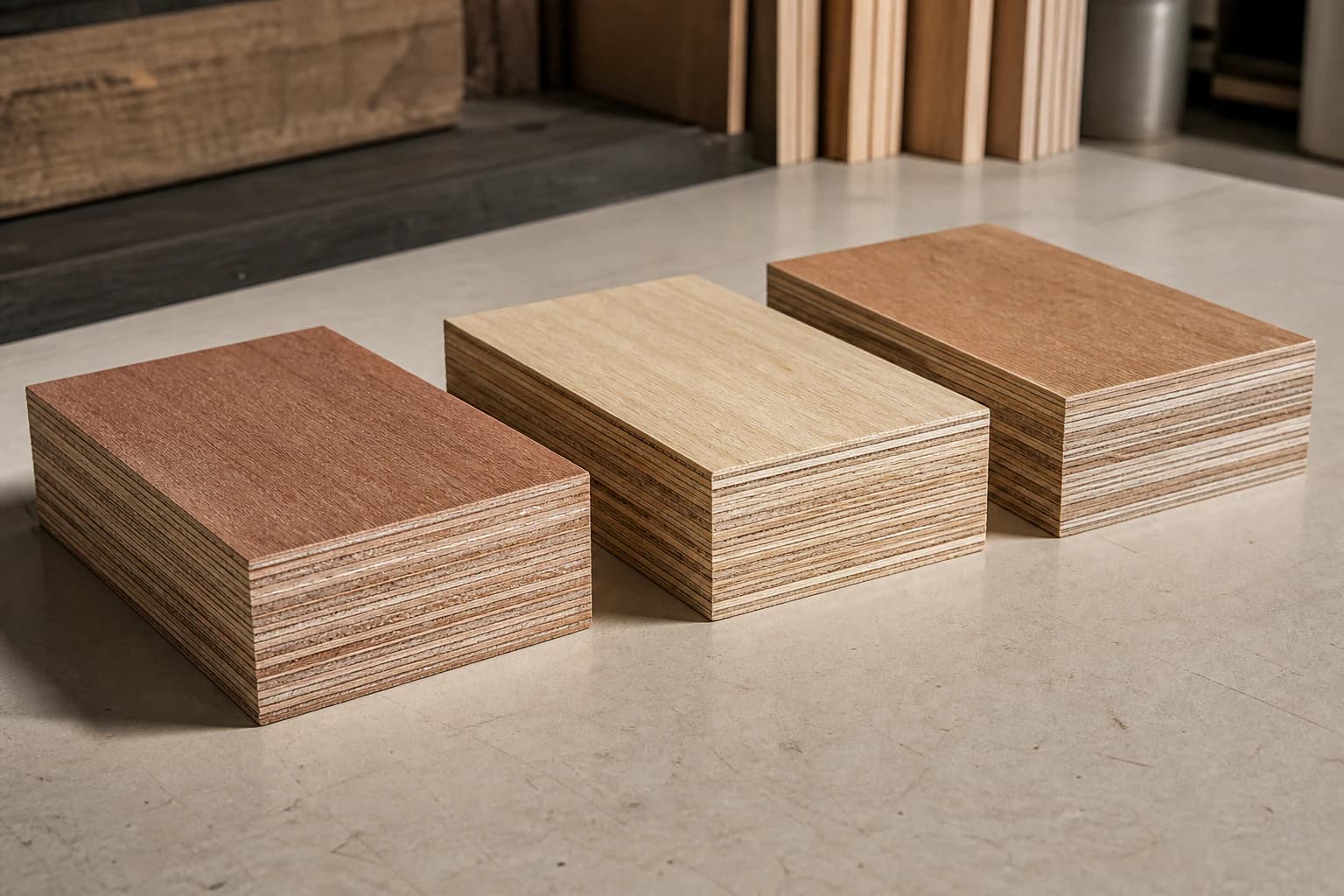
Marine plywood constructions with natural veneer faces and visible alternating core layers
Choose the face and core for each boat component. Compare veneer species, ply construction and cut-edge quality with the panel grade your project specifies. Select visible faces for finishing and the core for the component's structural and machining requirements.
SELECT FOR THE JOB EACH COMPONENT DOES

Boatbuilding plywood: hull, bulkhead, transom or interior panel?

A hull panel, structural bulkhead, engine-bearing transom and cabin cabinet have different jobs. Start with the role, loads, moisture conditions and vessel specification. Compare the plywood construction for that part rather than using a marine label as the complete design.

ComponentIts jobWhat to specify
Hull panelsPanels forming part of the hull, coordinated with the boat's structural arrangement and construction method.Designer-specified grade, veneer construction, thickness, direction, curvature, supports, joints and protective system.
Structural bulkheadsLoad-carrying divisions connected to the hull and other parts of the vessel structure.Structural role, openings, supports, joint reinforcement, panel construction and sealing.
Transoms and engine backingParts receiving engine, hardware and other concentrated loads through the complete transom assembly.Engine and fixing loads, plywood layers, reinforcement, attachments, penetrations and protection from the vessel design.
Yacht interior panelsCabinetry, furniture, linings and partitions with appearance, weight and fitting requirements.Whether structural or non-structural, visible veneer or laminate, core, finish, hardware, moisture conditions and required documents.

Buy plywood sheets or agreed cut panels directly from our factory, with each component identified in the quotation. Use your vessel designer's structure, connections and protective system to complete the panel schedule. For broader wet-service components, review Marine & Exterior Applications; for the actual panel construction, start with Marine Plywood.

NAME THE PANEL STANDARD YOUR PROJECT USES

Marine plywood for boats: grade, veneers and bond together.

Specify face, back and core species, veneer quality, joints, permitted gaps and repairs, ply arrangement, bond and thickness. Give the panel standard and edition named by the vessel specification. A species name or WBP description alone does not establish a marine-standard construction.

Make the grade identifiable

For a BS 1088 order, include the required class and construction with product reports or marking. If the project specifies another standard, state it separately. BS 1088, APA marine requirements and other specifications are not interchangeable; compare the panel against the requirements actually named in your purchase.

Separate bond durability from wood protection

An exterior-durable bond does not make the wood rot-proof or remove the need for component protection. Describe wetting, drying, condensation and water exposure. Coordinate coatings, cut edges, joints, drainage and maintenance with the vessel design.

Use APA's plywood selection guidance to distinguish bond classification from wood decay resistance. For a PS 1 order, refer to the PS 1 structural plywood standard and specify the marine grade and marking required by the vessel project.

Compare Marine vs Exterior Plywood and Bonding & Emission Options. Our factory team will confirm the selected construction and relevant product information with your quotation.

CONNECT THE PANEL TO THE HULL DESIGN

Marine plywood for boat building: hull panels and their connections.

For plywood boat panels forming the hull, use the designer's construction, thickness, grain direction and joint arrangement. Include whether the panels remain flat, take a specified curvature or form part of a laminated build-up. Supports, seams, reinforcement and coatings belong to the same hull specification.

Curvature, direction and sheet layout

Give the required shape, direction, supports and joining method with the cut schedule. Coordinate full-sheet sizes, panel seams and cutting allowance before ordering. Thinness or a bending-plywood label does not establish suitability for a structural hull.

Panel bonding and boat assembly

The adhesive between plywood veneers is different from the adhesive joining boat parts. Specify the assembly adhesive, surface preparation, joints and any glass reinforcement separately. Follow the boatbuilder's design and the adhesive manufacturer's instructions.

WEST SYSTEM's fillet-bonding guide describes plywood hull and bulkhead connections using its epoxy system. Joint geometry and reinforcement must be selected for your assembly; that technique is not a load rating for every plywood panel.

IDENTIFY STRUCTURE BEFORE CHOOSING THE VISIBLE FINISH

Marine plywood for boat bulkheads: structural divisions or partitions?

Say whether the bulkhead carries vessel loads or is a non-structural interior partition. A structural bulkhead needs the construction, thickness, openings, support and connection specified by the vessel designer. A partition still needs the appropriate finish, fixings and moisture protection for its location.

Openings and hull connections

Include doors, access openings, cut-outs, edge distances and part references in the panel schedule. Keep tabbing, reinforcement and load transfer into the hull with the structural design. Identify the final opening sizes and edge preparation on the same drawing revision as the panel outline.

Visible faces and wet compartments

Identify both sides, the visible veneer or overlay, colour and grain direction. Describe condensation, adjacent wet areas and cleaning. Coordinate concealed edges, penetrations, coatings and ventilation as carefully as the show face.

SPECIFY THE COMPLETE LOAD-CARRYING ASSEMBLY

Marine plywood for boat transoms: match the engine and fixing design.

Transoms can receive concentrated loads from engines and hardware. Use the vessel design for the plywood construction, total thickness, number of layers, reinforcement, supports and attachments. There is no universal transom thickness that follows from the words marine plywood.

Plywood layers, skins and supports

For a laminated plywood or cored transom, identify the complete build-up and the condition of surrounding skins and supports. A replacement sheet is only one part of that assembly. Have damage, load transfer and the required repair checked before ordering cut panels.

Engine bolts and other penetrations

Include hole locations, backing, hardware bearing and sealing in the design. Keep newly exposed wood and penetrations protected with the compatible system. Adding epoxy to a fixing does not replace the required backing, attachment or structural assessment.

WEST SYSTEM's fastener and hardware guide describes load-related bonding methods and protection of drilled wood. Follow the selected system with the engine, hardware and vessel designer's requirements; avoid a generic screw pattern or hole detail for every transom.

MAKE THE CABIN FINISH AND PANEL WEIGHT WORK TOGETHER

Plywood yacht interiors: veneers, laminates and a core that fits the part.

For cabinets, furniture, linings and access panels, choose the visible surface alongside core construction, weight, thickness and hardware. State whether the part is structural. A decorative or lightweight interior panel does not automatically replace a structural bulkhead or hull component.

Natural veneers and matching faces

Identify species, colour range, grain direction, visible sides and permitted repairs. Identify adjacent parts and their matching sequence on the panel schedule. Compare the proposed finish under the cabin lighting, then agree sanding, coating and edge preparation for the next joinery operation.

Laminate and coated surfaces

Specify the laminate or coating, texture, colour, balancing face and plywood substrate. Include cut edges, recesses and hardware locations. Select the complete surface build-up for cleaning, moisture exposure and the interior requirements named by your project.

Weight and fixing support

Compare measured weight or density on the actual thickness and construction. Keep hinges, handles, rails and other concentrated loads supported as the part design requires. Do not compare a lightweight panel with a solid veneer core only by overall thickness.

Condensation and cabin conditions

Describe ventilation, intermittent heating, wet compartments and storage. Keep concealed faces and edges in the protective plan. Agree panel condition at delivery and conditioning before fitting with the receiving boatbuilder.

For interior cabinetry, also review Cabinets & Kitchen Furniture and Surface & Overlay Options, then add the vessel-specific requirements.

BUY THE CONSTRUCTION SPECIFIED FOR EACH PART

Marine and interior plywood choices from our factory.

Use the marine product route for a specified marine construction. Compare species and interior finishes where the component permits them. State face, back and core separately; an okoume face does not identify every inner veneer, and a species name alone does not establish a marine grade.

Marine Plywood

Start here for the marine construction and panel standard named in the boat specification.

Face, back and core species, veneer quality, ply construction, bond, thickness, required reports and marking.

Okoume Plywood

Compare okoume faces and the actual core where weight, machining and a natural wood finish matter.

Okoume throughout or okoume-faced construction, measured weight, face grade and the specified marine-standard requirements.

Eucalyptus Plywood

Compare eucalyptus constructions where a defined hardwood core fits the component specification.

Actual veneer arrangement, density or weight information, bond, face finish and the project's panel requirements.

Hardwood Plywood

Choose visible veneers and a defined core for cabin furniture and interior joinery.

Show faces, grain direction, appearance limits, finish, edge treatment, hardware and service conditions.

Lightweight Plywood

Compare lighter constructions for non-structural interior parts where the design calls for a weight saving.

Actual construction and weight, local fixing support, impact demands, laminate build-up and required project documents.

HPL Plywood

Compare laminate-faced panels for specified cabin joinery and other interior surfaces.

Laminate type, texture, colour, balancing face, substrate, exposed edges, bonding and any marine-interior requirements.

Regular sheet formats: 1220×2440, 1250×2500, 1525×3050 mm. On-request formats: 1250×3050, 1250×3660, 2100×2800, 1830×3660, 1250×3800 mm. Give thickness, direction, quantities and full-sheet or cut-panel sizes with the component schedule. Sheet dimensions are purchasing inputs, not boat-component load ratings.

FINISH EVERY FACE, CUT AND CONNECTION AS SPECIFIED

Coating, cut edges and machining in one component plan.

Agree the plywood surface supplied, then plan the work after cutting, drilling and fitting. Name the protective coating, assembly adhesive and finish separately. Include new cut edges, holes, recesses, joints and any areas that will become inaccessible after assembly.

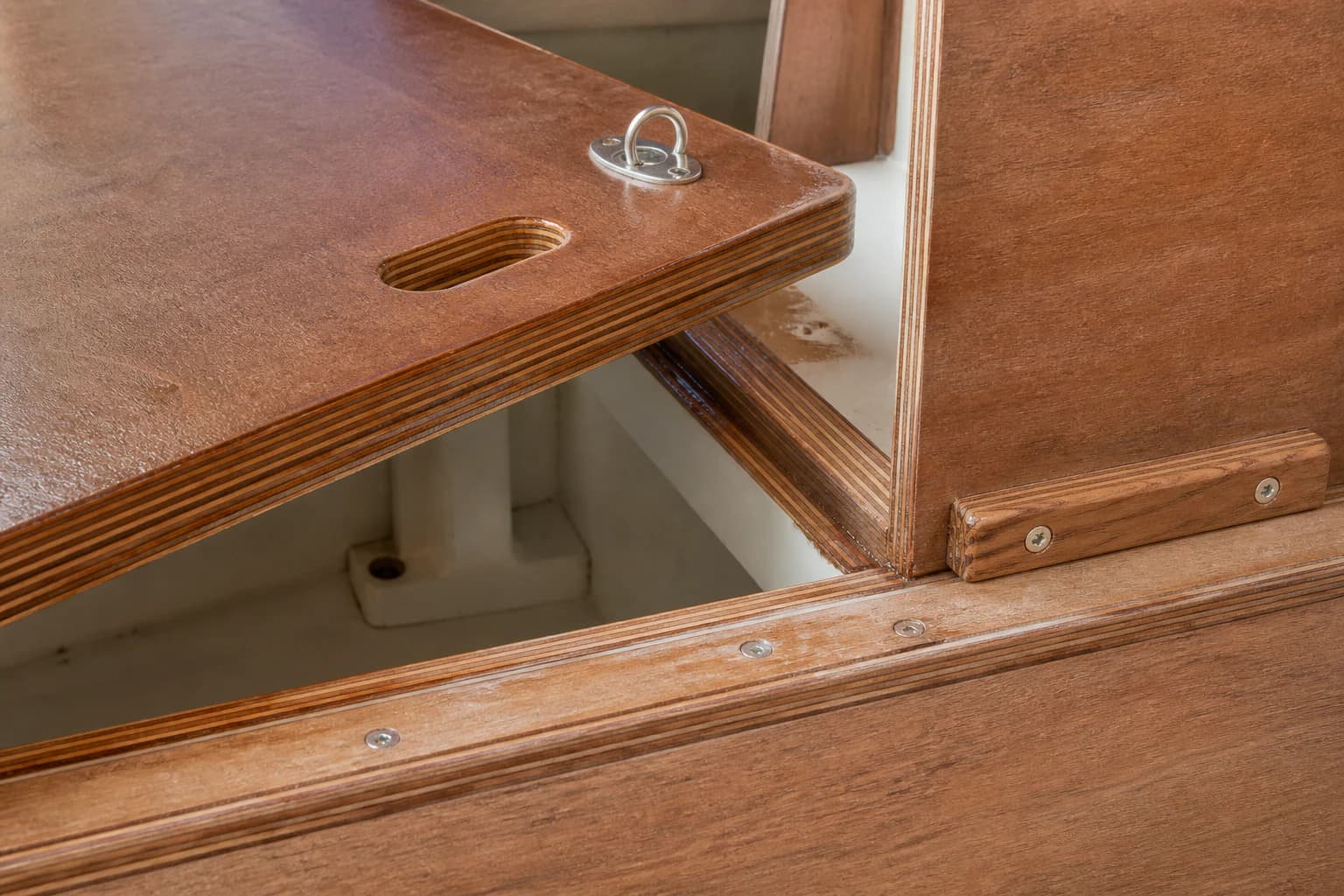
Coated plywood hatch and cabinet joint with layered cut edges, a recessed opening and metal fittings
Plan the finish around edges, openings and hardware. Include cut edges, recesses, fastener holes and joints in the coating and fitting plan. Agree the surface supplied with the plywood and the protection applied after cutting or drilling.

Original edges and new cuts

Tell us whether you need factory preparation or original-edge coating. New cuts and drilled holes expose fresh wood and need the compatible protection specified for the part. Keep water paths, drainage and later maintenance accessible in the component design.

Preparation for coating and bonding

Coordinate clean, dry surfaces, curing and compatibility with the coating and adhesive instructions. A decorative finish must not cover an area intended for structural bonding unless the assembly system permits it. For sun-exposed epoxy systems, include the specified protective finish.

WEST SYSTEM barrier coating and finish coating guidance explain separate moisture-barrier and finishing functions for that system. Use the actual system's preparation, application and curing instructions.

Send the cut and machining schedule through Cut-to-Size Plywood or CNC Plywood Components. Agree operations, final dimensions and checking methods in the quotation; boat assembly and installed performance follow the vessel design.

REQUEST THE INFORMATION FOR THE PANEL AND THE VESSEL

Plywood documents and marine-project requirements.

Give the destination, required panel standard, construction and component use. Request relevant product reports, marking and sourcing information with the order. For a vessel or interior system with additional requirements, identify the complete assembly and the documents the project needs.

Panel standard and construction

Name the standard and edition, face and core, bond, thickness and required reports. Request producer and product identification, report or certificate references and marking for the plywood you order. Keep these panel documents alongside the vessel designer's structural and interior-system requirements.

Vessel and interior-system requirements

Share any classification, fire, smoke, acoustic or other requirements specified for the vessel or cabin system. Include coatings, laminates, adhesives and mounting where relevant. Name the required test or document and the component or assembly it covers, so we can confirm which plywood information to include with your order.

Emissions and responsible sourcing

State the market, sourcing and purchasing requirements. Request relevant product and transaction documents with the plywood order. Review Plywood Emissions: US & EU and Sourcing: FSC, PEFC & EPD.

Custom dimensions and product information

Order custom dimensions with the plywood construction, thickness, intended use and cut schedule. Request relevant product documents with that panel specification, and record final dimensions and part references in the quotation.

Use Standards & Certifications for the relevant plywood documents and Plywood Tests & Reports to describe the information required for your project.

START WITH THE COMPONENT DETAILS YOU ALREADY KNOW

Boat panel sizes, quantities and enquiry details.

Send the component, panel standard and construction, thickness, dimensions, quantity and destination. Add finish, weight, coating, fixing and project requirements where known. If a choice is undecided, say you need advice; we can help complete the plywood order.

RequirementWhat to includeWhy it matters
Component and vessel designHull panel, structural bulkhead, transom, hatch, cabinet or lining; structural role, drawing references and construction method.Select plywood for the actual component rather than every part of the boat by one label.
Panel standard and constructionRequired standard and edition, face and back species, core species, veneer quality, ply arrangement, bond and thickness.Match the grade, construction and requested product documents.
Loads, supports and connectionsDesigner-specified thickness, supports, joints, engine or hardware loading, reinforcement and fixing requirements.Coordinate the supplied plywood with the complete structural assembly.
Visible faces and weightShow face, veneer or laminate, grain direction, finish, permitted repairs and weight requirements for each part.Compare appearance, machining and weight on the same construction.
Moisture and protectionLocation relative to water, repeated wetting, condensation, drainage, ventilation, face and edge protection, and maintenance.Plan sealing and finishing for the component's service conditions.
Sheet and cut-panel scheduleUnits, thicknesses, final cut dimensions, quantities, visible face and grain direction, cut-outs, holes, part references and drawing revision.Plan cutting and packing against one identifiable schedule.
Product and project documentsDestination, relevant panel reports, marking, sourcing and emission requirements, and any required vessel or interior-system documents.Keep the plywood information connected to the intended use.
Packing, delivery and timingFace protection, flat support, pack labels, receiving equipment, delivery term, named destination and target date.Get a quotation that includes the handling and delivery scope you need.

Begin in Contact with the component, approximate quantities, destination and target date. For undecided choices, write “Need advice” in Requirements. Send the panel schedule by email or WhatsApp after contacting us, with units, drawing revision, final cut dimensions, part labels and any trimming allowance. Use How to Specify Plywood to organise the purchase details.

COMPARE PANELS THAT ARRIVE READY FOR THE NEXT OPERATION

Protective packing and a clear factory quotation.

Compare the same panel construction, thickness, veneer quality, sizes and delivery basis. Identify supplied cutting, preparation and packing separately from assembly adhesives, reinforcement, coating after fitting and boat installation.

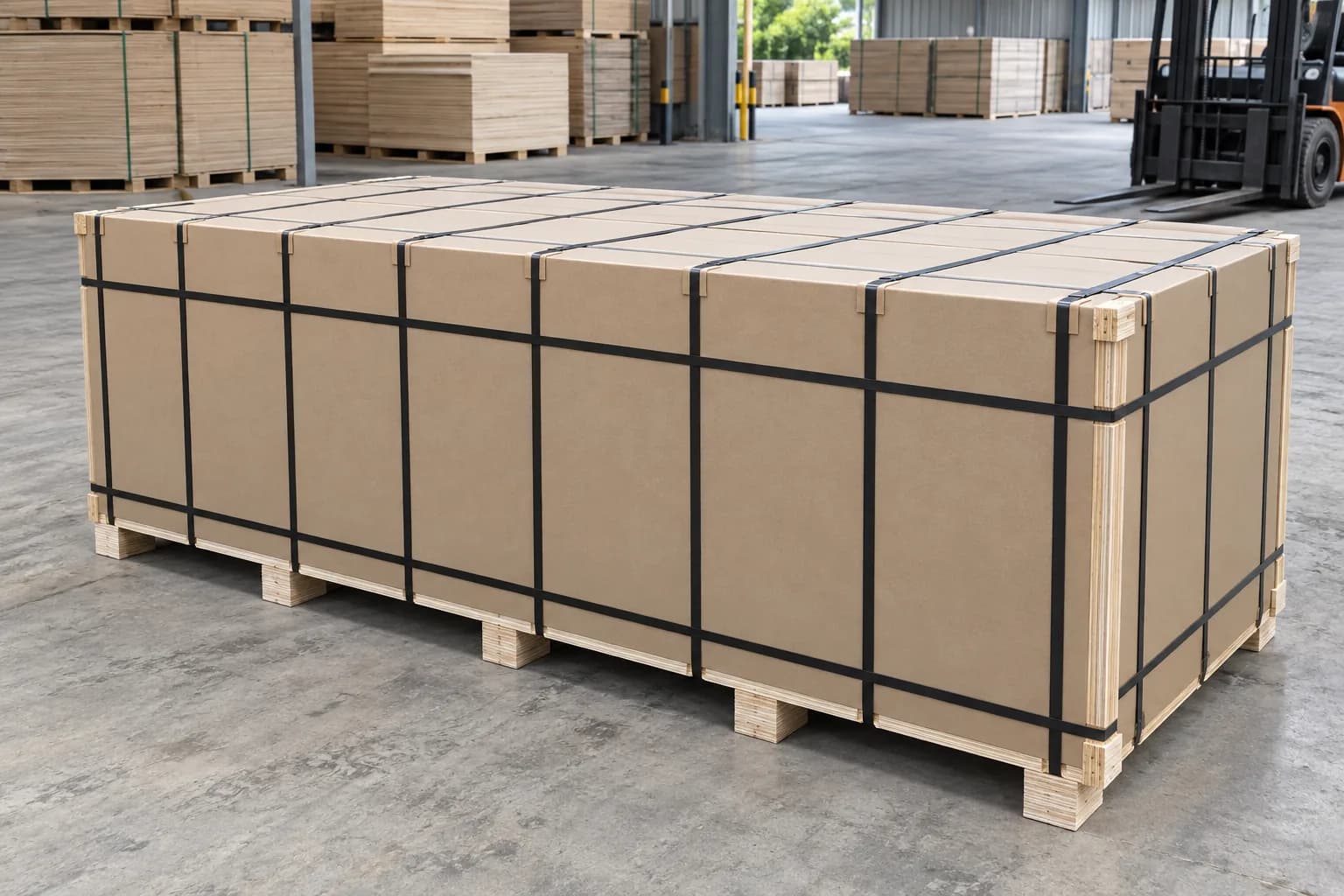
Flat plywood package protected by outer boards, corner blocks, straps and timber supports
Receive the right panels in clearly identified packs. Protect veneer faces and cut edges during transport. Identify constructions, thicknesses, quantities and part references on the pack list, with flat support and receiving arrangements agreed before dispatch.

Keep faces and component references identifiable

Agree face and edge protection, flat support and pack quantities. Label different constructions, thicknesses and part references against your schedule. Identify visible faces, matching sequences and finished parts on the packs. At receiving, compare the labels and quantities with the panel schedule, and check faces, cut edges and transport protection before fabrication.

Plan receiving before shipment

Tell us about unloading equipment, storage and delivery access. Keep transport protection separate from conditioning and fabrication. Use Packing & Container Loading and Plywood Storage & Handling with the order.

A defined plywood construction

Compare species, face quality, core, bond, thickness and quantity for the same component requirements.

Sheets or scheduled cut panels

State full-sheet formats or final cut sizes, direction, quantities, part labels, openings and supplied machining.

Supplied finish and later protection

Identify sanding, coating or laminate supplied with the plywood. Separate later sealing, bonding, glass reinforcement and installation.

Checks and requested documents

Agree dimensions, face and cut-edge checks with the construction. Name the standard, reports, marking and sourcing documents required.

Protection and identification

Include face and edge protection, supported packs, thickness and part references, pack quantities and receiving arrangements.

Production and export delivery

Confirm the order mix, production timing, payment, delivery term, named destination and included charges. Keep production time separate from transit.

Order quantity & mix
Tell us the sheet size, thickness mix and quantity you need. We confirm the minimum order and available mix for your selected construction.
Production lead time
We confirm the production schedule with your specification, order quantity and sample requirements. Production lead times are planning estimates, not transit times.
Price & quotation unit
Currency and price unit stated in your quotation. Your quote is based on the agreed dimensions, construction and quantity. Processing and requested testing are stated separately where applicable.
Samples
Tell us the plywood, thickness, finish and delivery country. We confirm sample availability, any sample and courier costs, and dispatch arrangements before proceeding.
Packing & delivery
We agree export packing, labels and the loading plan for your order. Share the destination country, named port or delivery point and preferred delivery term. Freight, insurance, duties and taxes are included only when stated in the quotation.
Payment & order confirmation
We agree the payment method, currency and any deposit and balance schedule in the quotation or proforma invoice. Your order confirmation sets out the product, quantity, packing and delivery arrangements.
BUYER QUESTIONS

Boat components, marine grades and interior finishes

Questions before ordering boatbuilding plywood.

Can I enquire before my boat-panel specification is complete?

Yes. Give the component, approximate quantity, destination and target date, then write “Need advice” in Requirements for choices such as face, core, thickness or finish. We help compare the plywood options. Keep load-carrying thicknesses, supports and connections with the vessel designer's specification.

What should I send for cut-to-size yacht interior panels?

Start in Contact, then share the panel schedule by email or WhatsApp. Include units, drawing revision, final dimensions, part numbers, quantities, visible side and grain direction, openings and hardware positions. Identify any allowance for trimming during fitting. We confirm cutting, machining, face protection and pack labels with the quotation.

Can I buy boatbuilding plywood directly from CUZI PLY?

Yes. CUZI PLY is your plywood manufacturer and direct supplier in Linyi, China, with 10 production lines. Give the component, panel specification, thicknesses, sizes, quantities and destination. Our factory team helps compare constructions and quotes plywood sheets or agreed cut panels with protective export packing.

How do I choose marine plywood for boat building?

Start with the vessel designer's panel grade, construction and thickness for the component. Include face, back and core species, veneer quality, bond, direction, supports, joints and the coating system. A plywood name or exterior-bond description alone does not define a boatbuilding specification.

Does a marine plywood grade mean the wood is rot-proof?

No. Bond durability, wood decay resistance and the complete component's moisture protection are different requirements. Describe wetting, condensation, drying and maintenance. Use the protective system specified for faces, cut edges, holes and joints, with suitable drainage and ventilation.

Can I use the same plywood for the hull, bulkheads and interiors?

Compare each component's role. Hull panels and structural bulkheads follow the vessel design. Interior cabinets and linings have their own appearance, weight, hardware and moisture requirements. Some constructions may serve more than one part, but confirm those uses together instead of making a universal substitution.

What should I specify for plywood boat bulkheads?

Say whether the bulkhead is structural or a non-structural partition. Include the required construction and thickness, openings, supports, joints and any reinforcement or tabbing. The boat designer specifies load transfer and the connection to the hull. Coordinate wet-area protection and visible finishes with that assembly.

What thickness of marine plywood do I need for a boat transom?

Use the vessel design for the engine, hardware loads and complete transom assembly. Specify the panel construction, plywood layers, reinforcement, fixings and penetrations. There is no single plywood thickness suitable for every transom; replacing the plywood alone does not resolve damaged skins, supports or attachments.

Can I order okoume or eucalyptus constructions?

Yes. State face, back and core species separately. Compare an okoume-throughout panel with an okoume-faced panel on its actual core, weight and required standard. Eucalyptus and other hardwood constructions are available for the agreed specification. A species name alone does not establish a marine-standard grade.

Which plywood can I use for yacht interiors?

Tell us whether the part is a cabinet, furniture panel, lining or structural division. Give the visible veneer or laminate, core, thickness, grain direction, weight, hardware and finish. Include condensation and wet-area conditions plus the fire, emission or other requirements your vessel project specifies.

Can you supply a BS 1088 project construction?

Yes. Give the BS 1088 edition and construction your project requires, with thicknesses and requested reports or marking. Our factory team confirms the quoted plywood specification and relevant documents. Use the standard named by the vessel designer, and include any separate vessel or interior-system documentation in the enquiry.

How should cuts, holes and fittings be protected?

Plan surface preparation, face coating, exposed cut edges, recesses, drilled holes and joints with the chosen protective and bonding systems. Identify which preparation is supplied by the factory and which follows machining and fitting. Use the coating and adhesive manufacturer's instructions with the boatbuilder's assembly design.

Can I order custom boat panels and large sheet sizes?

Yes. Order custom dimensions with the required plywood construction, thickness, direction, quantities and part references. We confirm final sizes, agreed processing and packing in your quotation. Request the relevant product documents with the panel specification and keep the cut schedule with your order.

Can I assess the face, core and finish before a larger order?

Use Request a Sample and identify the construction, face, thickness, cut-edge quality and machining or finishing you want to assess. We confirm preparation, availability, any sample and courier costs and dispatch arrangements. Assess the proposed coating, veneer appearance, cut edges and hardware with your boatbuilder. Keep the selected panel construction and finish reference with the larger order.
BUILD YOUR PLYWOOD ORDER AROUND THE VESSEL SPECIFICATION

Tell us which boat components you are making.

Give the component schedule, selected panel construction, standard, thicknesses, dimensions, quantities and destination. Add the visible finish, coating and required documents. Our factory team will help compare plywood options and quote sheets or agreed cut panels with protective export packing.

For a physical assessment, identify the face, core, thickness, cut-edge quality and machining or finish you need to compare. We confirm preparation, availability, sample and courier costs and dispatch arrangements.