CUZIPLY
Get a quote
CHOOSE THE PLYWOOD BENEATH YOUR FINISHED FLOOR

Plywood underlayment, ready for your finished-floor specification.

A good-looking floor starts with the right base beneath it. Order plywood flooring underlay with its smooth face, core, thickness and bonding selected for your floor covering. Bring the flooring specification and supporting-base details; we help turn them into a clear sheet or cut-panel order, with protection for export and receiving.

CUZI PLY is your plywood manufacturer and direct supplier in Linyi, China, with 10 production lines. Work directly with our factory team to compare constructions, agree the delivered surface condition and get a quote for your quantities and destination.

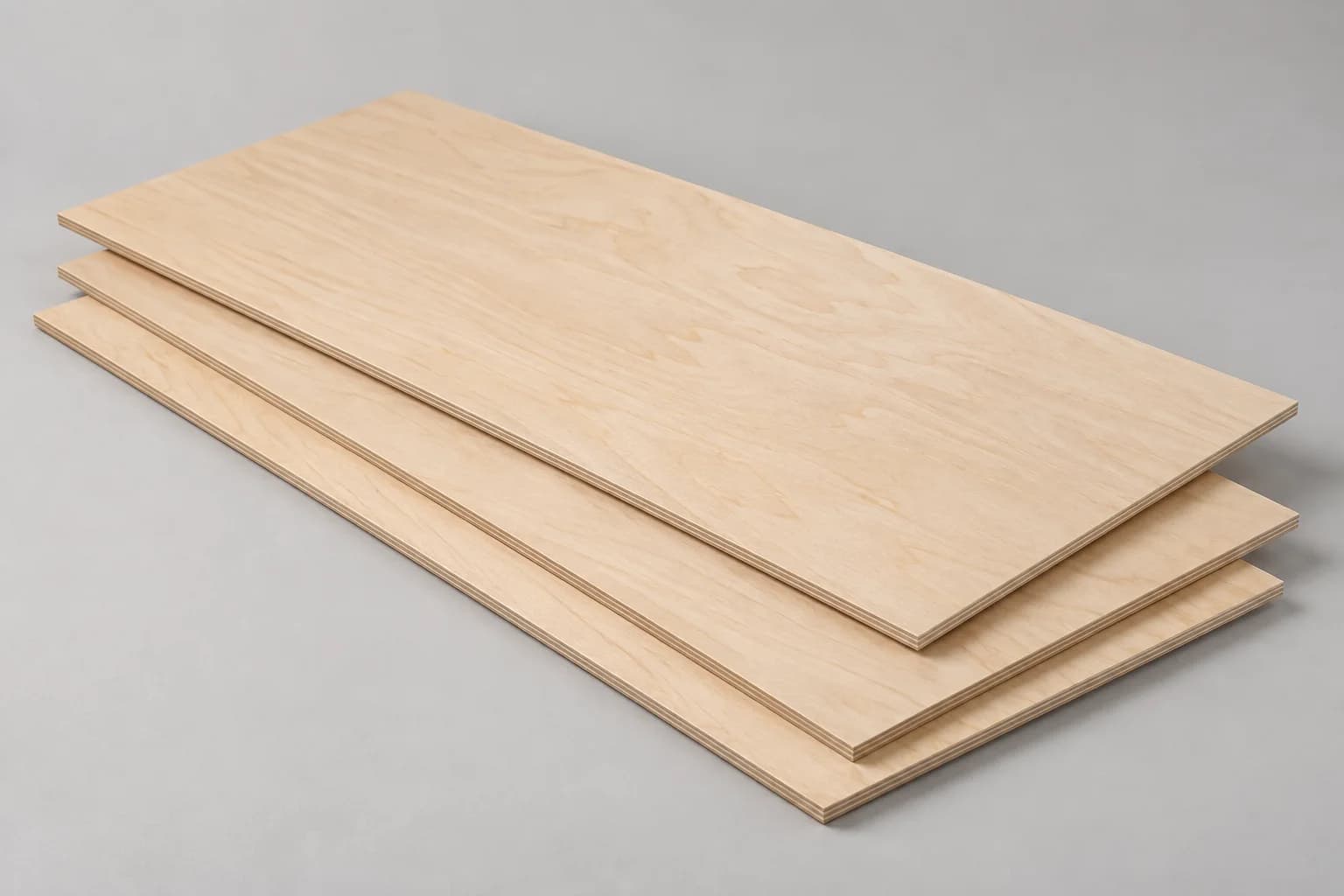
Thin flat plywood sheets with smooth natural veneer faces and narrow layered cut edges
Choose a smooth face with the thin-panel construction. Specify face preparation, core construction and delivered thickness for the floor covering you plan to install. Keep cut-edge quality and surface requirements in the same plywood order.
START WITH THE JOB EACH LAYER DOES

Plywood underlayment vs subfloor: preparation layer or supporting deck?

Plywood underlayment sits above a suitable supporting base and beneath the chosen floor covering. The structural subfloor carries the floor loads through its supports. Specify the role first: a thin plywood overlay does not replace the structural deck or repair loose, damaged or inadequately supported flooring.

Floor layerIts jobWhat to specify
Plywood underlaymentA separate overlay above the supporting subfloor, selected to prepare a suitable base for the finished floor.Floor-covering instructions, panel grade, face and core, thickness, fixing and compatible surface preparation.
Structural subfloorThe load-carrying floor deck coordinated with joists, supports, spans and the building design.Structural panel requirements, thickness, support spacing, edge support, loads and applicable project documents.
Finished floorThe exposed covering: vinyl, LVT, timber, laminate or another specified floor system.The covering's installation method, permitted substrate, adhesive or underlay, preparation and service conditions.
Vehicle or trailer floorA vehicle deck with its own frame, concentrated loads, fixings and exposure.Vehicle supports and loads, surface grip, panel construction, edges and mounting details.

For a load-carrying deck, use Structural Construction and Structural Plywood. For a vehicle frame and cargo loads, use Vehicle, Trailer & RV Flooring. This page focuses on the separate plywood preparation layer beneath a finished floor.

The APA underlayment and subfloor guide explains separate and combined panel floor systems. Use the panel grade and construction specified for the role your plywood will perform.

PUT THE THICKNESS IN A COMPLETE PANEL SPECIFICATION

6mm flooring grade plywood for your finished-floor specification.

We can supply 6 mm plywood for an underlayment order. Give the finished-floor product, supporting base and required panel construction alongside the thickness. Agree the delivered thickness, face preparation and checks before comparing quotations; nominal thickness alone does not establish flooring suitability.

Flooring grade plywood 6mm: what to include

Specify the panel standard or grade, face and core, bond, required thickness and cut sizes. Include the flooring manufacturer's plywood and surface-preparation requirements. Keep the panel thickness separate from the total build-up of plywood, primer, compound, adhesive and finished covering.

What does floor grade plywood mean?

Ask which construction and standard the term describes. Flooring grade plywood is not one universal grade that suits all vinyl, timber or tile systems. State acceptable face repairs, core gaps and cut-edge condition with the product requirements your floor installation uses.

For a product-specific reference, Karndean's UK gluedown installation guide specifies a minimum 5.5 mm flooring-grade plywood over secured floorboards, with its stated panel-standard and preparation requirements. Use those requirements for that gluedown system, including the plywood grade, fixing and joint preparation.

MAKE THE BASE WORK WITH THE EXACT VINYL PRODUCT

Plywood underlayment for vinyl flooring, selected with the laying method.

Give the vinyl manufacturer and product, then identify sheet vinyl, gluedown luxury vinyl tile or a floating click system. The plywood overlay and any cushioning underlay are different layers. Follow the selected floor system's instructions rather than adding the same plywood and adhesive arrangement beneath every vinyl floor.

Sheet vinyl and gluedown LVT

Agree the smooth face, core and thickness with fixing, joint preparation and the selected adhesive system. Keep the plywood, patch or skim coat, primer and levelling compound compatible. Face sanding at the factory does not replace preparation after panels are fixed.

Click floors and attached backing

Check the permitted base and any separate underlay in the flooring instructions. Do not add a cushioning layer or plywood overlay simply because a different floor uses one. Give the existing base condition and complete build-up when asking us to compare panels.

Tell us about seams, surface repairs, fixings and anything that could show through a thin covering. Our quotation identifies the supplied plywood; your installer coordinates the final preparation and installation with the floor-covering manufacturer.

COMPARE THE PLYWOOD FOR ITS ACTUAL ROLE

Face, core and bonding choices for your flooring specification.

Bring the required underlayment grade and finish-floor instructions to the panel selection. Compare constructions on the same face quality, core, thickness and supplied preparation. If the plywood carries structural loads, move to the structural floor specification instead of treating it as a thin overlay.

Birch Plywood

Compare a smooth veneer face and the selected core construction for thin underlayment sheets.

Sanding, face defects and repairs, core gaps, actual thickness and compatibility with the specified floor preparation.

Commercial Plywood

Order a defined face, core and bond construction rather than general-purpose plywood by name alone.

Flooring use, receiving base, surface preparation and the floor-covering manufacturer's panel requirements.

Hardwood Plywood

Compare veneer and core choices where the floor specification calls for a particular construction.

Face and core species, ply construction, thickness, cut edges, bonding and any project-specified grade.

Structural Plywood

Choose this route when the plywood is the supporting floor deck rather than a thin preparation overlay.

Loads, supports, panel grade, thickness and the complete structural floor design.

Regular sheet formats: 1220×2440, 1250×2500, 1525×3050 mm. On-request formats: 1250×3050, 1250×3660, 2100×2800, 1830×3660, 1250×3800 mm. Give thickness, quantities and full-sheet or cut-panel sizes with your floor layout. Choose formats with room dimensions, cutting allowances, panel direction and handling in mind.

AGREE THE PANEL YOU EXPECT TO RECEIVE

Smooth faces, core construction and delivered thickness.

Specify sanding, face defects and repairs, ply construction and cut-edge quality with the selected panel grade. State the thickness and dimension checks needed for the order, including when they are made. Keep face preparation, plywood bonding and the later adhesive used beneath the covering as separate requirements.

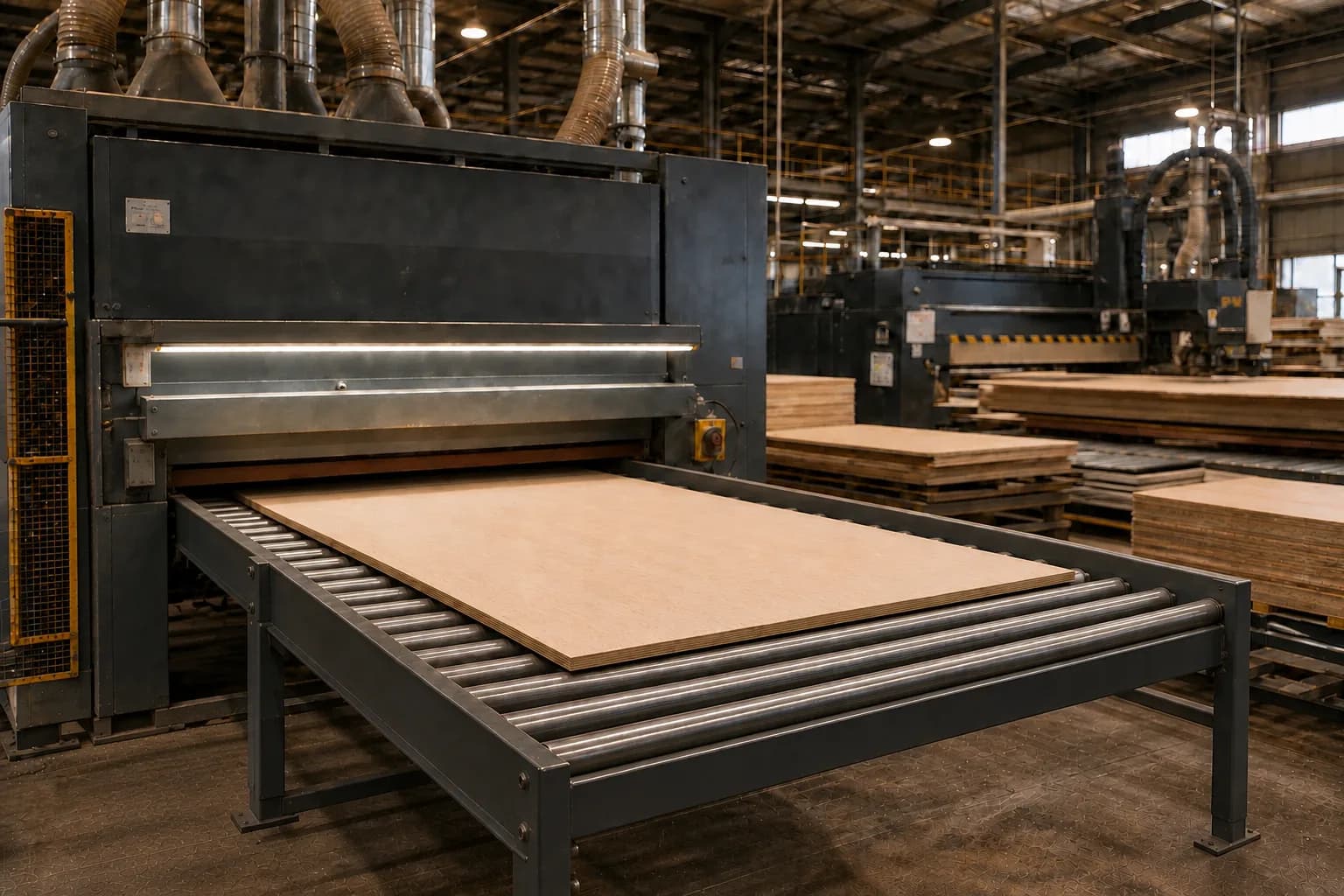
Plywood panel lying flat on a roller conveyor beside panel-calibration equipment
Agree thickness and surface preparation before delivery. Set the required thickness and face condition with the flooring specification. Agree dimensional checks at the supplied stage and keep subsequent conditioning, fixing and floor preparation with the installation plan.

A surface ready for the specified next step

Agree whether panels are supplied with a bare sanded face or another specified preparation. Identify materials applied on site. Do not replace an adhesive-ready wood face with a decorative coating or film unless the flooring system specifically allows it.

Check the construction as well as the top face

Include inner-ply construction, gaps and repairs, bonding and cut edges in the panel specification. Agree the required quality and checking method with the order rather than assuming one universal defect limit or tolerance.

Check delivered face repairs, cut edges and thickness before fixing. Assess joints, fastener heads and the prepared surface before laying a thin covering, using the chosen flooring and preparation-product instructions. Keep the agreed panel construction and surface requirements for repeat orders.

Compare Core Materials & Species, Bonding & Emission Options and Quality & Inspection.

CONNECT THE PANEL TO THE ROOM AND BASE CONDITIONS

Moisture, conditioning and underfloor heating.

Describe the room, supporting base, spill exposure and any heating system. Keep moisture assessment, conditioning and preparation with the complete floor specification. Plywood underlayment is not a damp-proof barrier; a water-resistant plywood bond does not make the complete floor waterproof.

Receiving before installation

Plan protected, supported storage and conditioning for the receiving environment. Agree plywood checks at the supplied stage. Use the selected flooring system's requirements for the site before fixing and laying, not a generic conditioning period or moisture percentage.

Wet bases and heating systems

Resolve a damp base with the appropriate floor design and moisture-control system rather than covering it with plywood. For underfloor heating, provide the system and complete build-up; use its specified commissioning, temperature and adhesive requirements.

Review Plywood Moisture & Water Resistance and Plywood Storage & Handling with your order. Wet rooms and repeated spill areas need the floor system specified for those conditions, not an assumed plywood solution.

JOIN THE FACTORY PANEL TO THE SITE PREPARATION

Fixing, joints and adhesive preparation in one floor build-up.

Give the panel layout, supporting base, fixing method and surface-preparation system. Keep joint treatment and fastener heads with the instructions for the plywood and floor covering. Use the specified patch, primer, compound and adhesive rather than substituting one generic glue or fixing pattern.

From sheet format to laying layout

Identify sheet or cut-panel dimensions, room references, direction and edge details. Coordinate joint arrangement, perimeter details and fixing with the floor design. We can quote agreed cut sizes from your schedule; on-site fixing and installation remain with your flooring team.

Plywood bond and flooring adhesive

The adhesive holding plywood veneers together is different from the adhesive attaching the finished floor or another layer. Specify both separately. Include the receiving surface and the primer or smoothing treatment that the flooring adhesive must bond to.

Use Cut-to-Size Plywood for ordered panel sizes and Surface & Overlay Options when comparing supplied face preparation. A smooth overlay does not correct inadequate joist support or establish the stiffness required by a tile-floor design.

REQUEST THE INFORMATION FOR THIS PLYWOOD AND THIS FLOOR

Panel documents and finished-floor requirements, matched to your project.

State the destination, required plywood grade, construction and intended use. Request relevant panel, emission and sourcing information alongside the order. Keep the floor-covering manufacturer's installation instructions and any finished-floor requirements with the complete build-up.

Panel grade and required standard

Give the panel standard or designation in your flooring specification, together with the selected face, core and bond. Request producer and product identification, report or certificate references and relevant panel information. Our factory team can arrange the information for the plywood construction you order.

Floor-system requirements

Identify the covering, substrate, adhesives and preparation together. For fire, acoustic, load or wet-area requirements, request the documents for the specified complete floor assembly alongside the plywood product information.

Emissions and responsible sourcing

State the market and purchasing requirements with the panel construction. Connect requested sourcing and transaction documents to the supplied order. Review Plywood Emissions: US & EU and Sourcing: FSC, PEFC & EPD.

Custom sizes and product information

Order custom cutting dimensions with the plywood construction, face preparation and intended use. Keep the panel schedule, product identification and relevant documents together so your flooring team can check them against the project specification.

Start with the construction and documents your project calls for. Use Standards & Certifications to request the relevant plywood information.

START WITH THE FLOOR DETAILS YOU ALREADY KNOW

Underlayment sizes, quantities and enquiry details.

Send the finished floor, supporting base, thickness, face and core requirements, sizes, quantity and destination. Add fixing, adhesives, preparation and project documents where known. If grade, core or thickness is undecided, write “Need advice” in Requirements; our factory team can help compare the plywood choices.

RequirementWhat to includeWhy it matters
Floor covering and installationFlooring manufacturer and product, sheet vinyl, gluedown LVT, click system or other finish; current installation instructions.Select a plywood overlay that fits the actual floor system.
Existing base and panel roleFloorboards, wood-panel subfloor, concrete or another base; condition, support and whether plywood is overlay or structural deck.Keep surface preparation separate from structural repair and moisture control.
Thickness, face and coreRequired delivered thickness, sanding, permissible face repairs and core gaps, bond and specified panel grade.Compare the same construction instead of relying on a flooring-grade label alone.
Fixing and preparation systemPanel layout, fixing method, joints and edges, patch or skim coat, primer, levelling compound and flooring adhesive.Connect the supplied plywood to the flooring manufacturer's preparation sequence.
Moisture, heating and useRoom conditions, base moisture assessment, spill exposure, underfloor heating and relevant traffic or loads.Coordinate the overlay with the conditions of the complete floor.
Sheet or cut-panel scheduleUnits, sheet formats or finished cut sizes, quantities, thickness mix, direction and room or part references.Plan cutting, quantity and pack identification from one schedule.
Project informationDestination, required panel standard, emission or sourcing documents and any finished-floor requirements.Request information for the selected plywood and intended use.
Packing and deliverySupported packs, labels, receiving equipment, delivery term, named destination and target date.Quote an order that can be transported, received and stored properly.

Begin in Contact with the information you have. Send layouts and flooring instructions by email or WhatsApp after contacting us. Identify room or part references, units, final cut sizes, direction and drawing revision, including any cutting allowance. Use How to Specify Plywood to organise the panel specification before comparing quotes.

COMPARE AN ORDER THAT IS READY TO RECEIVE

Flat protection, organised packs and a clear quotation.

Compare the same plywood construction, thickness, face preparation, sizes and delivery basis. Separate the supplied plywood and cutting from site fixing, joint treatment and floor-covering installation.

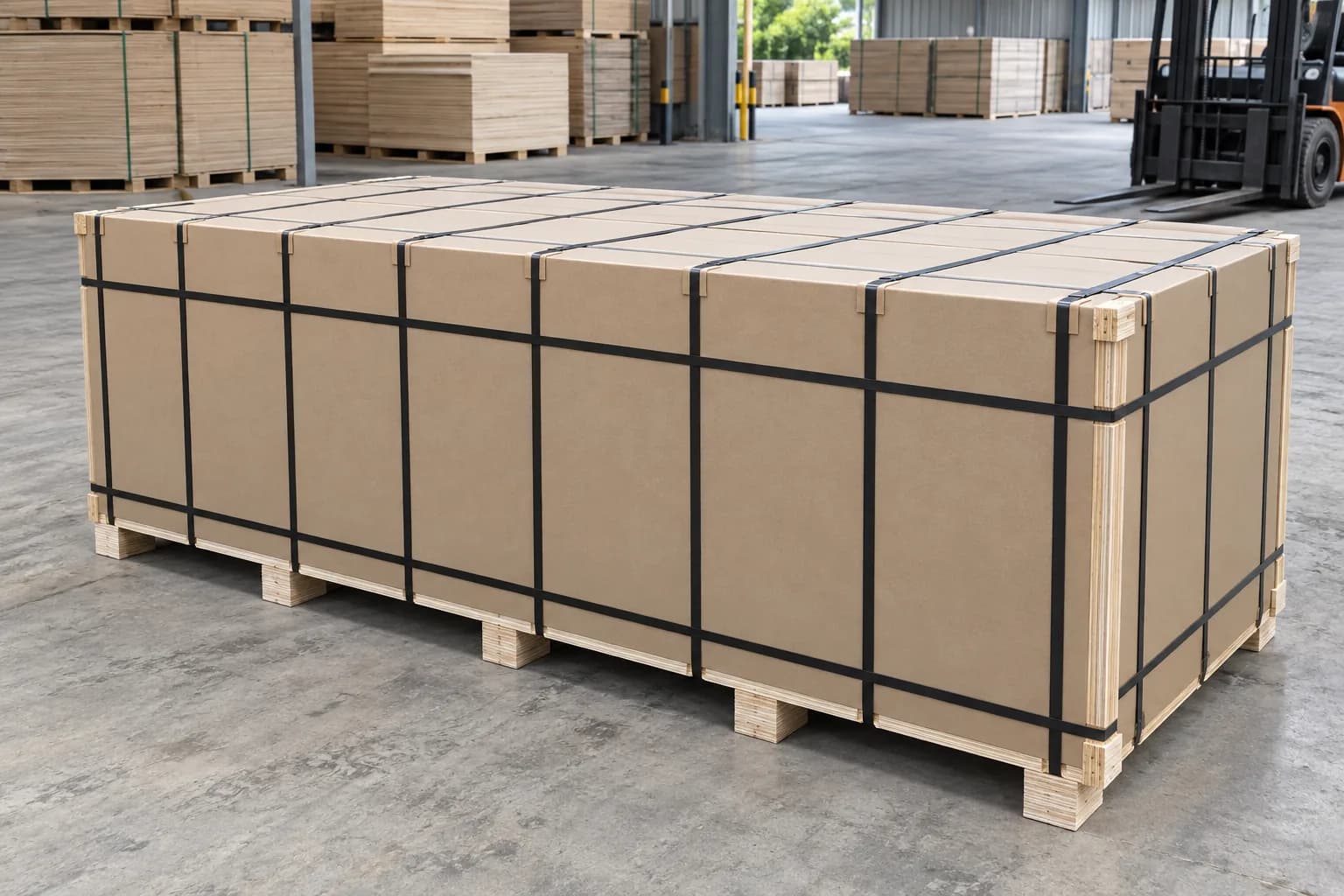
Protected flat plywood package with outer boards, corner blocks, straps and timber supports
Protect thin panels through transport and receiving. Support underlayment sheets flat, protect faces and cut edges, and identify thicknesses and quantities on the pack list. Plan dry receiving and supported storage before preparing the floor.

Thin sheets, supported and identified

Agree face and edge protection, flat support and pack quantities. Label thicknesses, cut sizes and room or part references against the receiving list. Keep mixed specifications identifiable without opening every pack.

Receiving that fits your next operation

Tell us about unloading equipment, storage and delivery access. Keep transport protection separate from the conditioning and installation plan. Review Packing & Container Loading for the agreed shipment.

The same plywood construction

Compare face and core species, ply construction, bond, delivered thickness, face preparation and quantities on the same basis.

Sheet sizes and cutting

Separate full sheets from cut panels. Include final sizes, room or part references, direction, quantity and the cutting allowance in your layout.

Delivered surface condition

State the sanding or other preparation supplied with the plywood. Keep site fixing, patching, priming and flooring installation separate.

Checks and requested documents

Agree face, cut-edge and dimension checks with the selected construction. Identify requested product information, tests and sourcing documents.

Flat protection and identification

Include supported packs, face and edge protection, thickness and part labels, quantities and receiving arrangements.

Production and delivery

Confirm order mix, production timing, delivery term, named destination and included charges. Separate production time from transport time.

Order quantity & mix
Tell us the sheet size, thickness mix and quantity you need. We confirm the minimum order and available mix for your selected construction.
Production lead time
We confirm the production schedule with your specification, order quantity and sample requirements. Production lead times are planning estimates, not transit times.
Price & quotation unit
Currency and price unit stated in your quotation. Your quote is based on the agreed dimensions, construction and quantity. Processing and requested testing are stated separately where applicable.
Samples
Tell us the plywood, thickness, finish and delivery country. We confirm sample availability, any sample and courier costs, and dispatch arrangements before proceeding.
Packing & delivery
We agree export packing, labels and the loading plan for your order. Share the destination country, named port or delivery point and preferred delivery term. Freight, insurance, duties and taxes are included only when stated in the quotation.
Payment & order confirmation
We agree the payment method, currency and any deposit and balance schedule in the quotation or proforma invoice. Your order confirmation sets out the product, quantity, packing and delivery arrangements.
BUYER QUESTIONS

Underlay, finished floors and preparation

Questions about plywood flooring underlayment.

Can I buy plywood underlayment directly from CUZI PLY?

Yes. CUZI PLY is your plywood manufacturer and direct supplier in Linyi, China, with 10 production lines. Send the floor covering, supporting base, panel construction, thickness, sizes, quantities and destination. We help compare plywood choices and quote sheets or agreed cut panels with protective packing.

What is the difference between plywood underlayment and subfloor?

Underlayment is a separate preparation layer above the supporting subfloor. The structural subfloor carries loads through its supports and must suit the floor design. A thin overlay does not replace the structural deck or repair loose, damaged or inadequately supported flooring.

Can you supply 6 mm flooring-grade plywood?

Yes. Include 6 mm as the required panel thickness and give the floor covering, base and its specified plywood grade, face, core and preparation. Agree delivered thickness and checks with the order. Thickness alone does not establish that the panel suits every vinyl, tile or other flooring system.

Does flooring-grade plywood mean one universal grade?

No. State the panel standard or grade required by the floor-covering manufacturer and destination. Include face quality, core construction, bond and thickness. A commercial flooring-grade description is not a substitute for the product specification or project-required documentation.

Which plywood underlayment should I choose for vinyl flooring?

Give the exact vinyl product and whether it is sheet, gluedown LVT or a floating system. Match the plywood and preparation to that manufacturer's instructions. Specify a suitable smooth face, core and thickness with the permitted fixing, joint preparation, primer, compound and adhesive.

Is plywood underlay necessary beneath every click floor?

Not automatically. Follow the selected flooring system's instructions for the permitted base and any separate underlay. Plywood overlay, cushioning underlay and a factory-attached backing serve different purposes. Do not add an extra layer solely because another flooring product uses one.

How should joints and fastener heads be prepared?

Use the fixing and surface-preparation system specified for the plywood and floor covering. Coordinate joint treatment, fastener heads, patch or skim coat and any primer or levelling compound. A factory-sanded face does not remove the preparation required after the panels are fixed on site.

Does a water-resistant plywood bond make the floor waterproof?

No. The plywood bond, wood moisture conditions and the complete floor's waterproofing are different matters. Describe spill exposure, wet areas, the supporting base and the floor covering. Use the specified moisture-control and waterproofing system rather than treating a plywood overlay as a damp-proof barrier.

Can I put plywood underlayment directly over damp concrete?

Do not use plywood to cover an unresolved damp base. Have the base assessed and use the floor system's specified moisture control and preparation. A concrete-floor build-up is different from a thin overlay fixed over a suitable wood subfloor; coordinate it with the flooring designer and installer.

Can plywood underlayment be used with underfloor heating?

Share the heating system, supporting base, floor covering, adhesive and complete build-up. Follow the selected system's temperature, commissioning, conditioning and preparation requirements. Do not assume a universal temperature limit or installation method from the plywood thickness alone.

Can I order custom underlayment sizes?

Yes. Give cut sizes, units, thickness, quantities and room or part references with your layout. Order the dimensions with the plywood construction, face preparation and intended use. Request producer and product identification, report or certificate references and relevant product information for your flooring specification.

Can I enquire before the plywood grade or thickness is decided?

Yes. Give the floor-covering product, existing base, room use, approximate quantity and destination, then write “Need advice” in Requirements for undecided choices. Our factory team can help compare face, core, thickness and supplied preparation with the flooring instructions. Send the layout or instructions by email or WhatsApp after contacting us.

What should I check before laying a thin vinyl covering?

Check the delivered face, repairs, cut edges and panel thickness against the plywood order before fixing. Then check joints, fastener heads and the prepared surface with the flooring and preparation-product instructions. Review anything that could show through the covering, and test the specified patch, primer or adhesive on the plywood where the system requires it.

How can I assess the plywood before a larger order?

Use Request a Sample and describe the face, core, thickness, cut-edge quality and preparation you need to assess with your intended floor covering. Check the plywood with the specified patch, primer or adhesive before agreeing the order construction. We confirm preparation, availability, any sample and courier costs and dispatch arrangements. Keep the agreed construction and surface requirements for production and repeat orders.
GET THE PLYWOOD ORDER READY FOR YOUR FLOORING TEAM

Tell us what goes above and below the plywood.

Give the floor covering, supporting base, panel construction, thickness, sizes, quantities and destination. Add preparation and project requirements. Our factory team will help compare plywood options and quote sheets or agreed cut panels with protective packing.

For a physical assessment, identify the face, core, thickness, cut-edge quality and intended preparation. We confirm preparation, availability, sample and courier costs and dispatch arrangements.